The composition of the territory reflects its dual nature: to the north, the land features hills and mountains, such as the Carnic and Julian Alps; moving southward, the terrain becomes hilly and flat, eventually plunging into the sea with lagoon and low coasts.
A particularly charming glimpse is the Karst Plateau because it consists of limestone terrain easily permeable to water which, by eroding it, creates underground tunnels, galleries, sinkholes, and chasms where it’s common to see rivers disappearing from the surface.
This area of the region is also characterized by the bora, a very strong cold wind that often slaps Trieste and its surroundings with gusts that can exceed 100 km/h.
The climate, typically alpine on the peaks and continental in the plains, becomes mild along the coastal strip which hosts renowned and welcoming locations: the beautiful Lignano Sabbiadoro, Grado and its lagoon, Trieste, Grignano, and the many small islands resting on the waters.

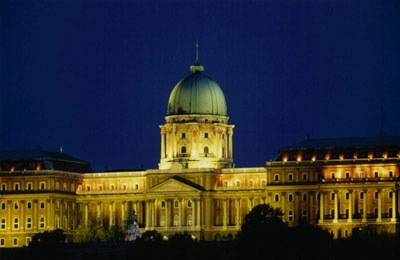
Particularly beautiful is the architecture with an Austro-Hungarian influence, especially in Trieste; just think of the Miramare Castle, a fortress surrounded by a park rich in rare flora, now open to the public and also used for concerts and events.