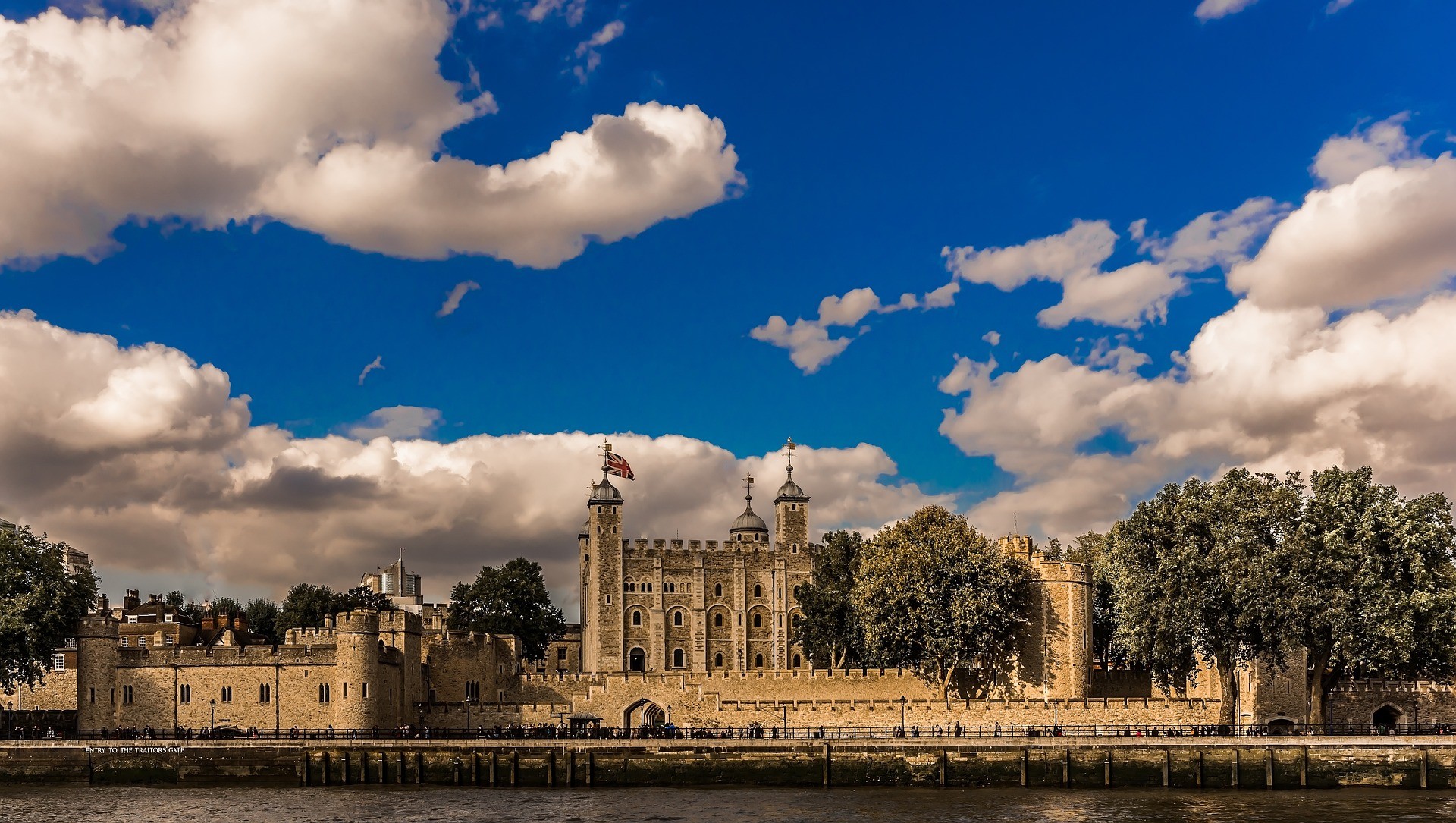


Here, the things to see are truly many, important and above all, very british. Starting with the Tower Bridge, a splendid sentinel on the Thames, which watches over the entrance to what is a city within a city, the stronghold of British wonders. The bridge, built in neo-Gothic style at the end of the 19th century, allows quick access to one of the highlights of the City, the Tower of London, a complex as ancient as it is marvelous which, in the undergrounds of the Waterloo building, houses the Crown Jewels.
Before getting on the conveyor belt that offers, for a few moments, the thrill of a face-to-face with crowned diadems and gems, it is definitely worth watching the video that illustrates them in detail. The oldest jewels date back to the 16th century, since the Cromwell’s reform imposed the sale of all existing jewels until then. Among the most glamorous pieces, stand out the State Crown of Queen Elizabeth II, topped by the Black Prince’s Ruby; a royal sceptre from 1661 illuminated by the largest diamond in the world called the Star of Africa and the crown with the Koh-I-Noor, an Indian diamond from a thousand and one nights, donated to Queen Victoria during the great colonizations.
Inside the Tower of London there are many buildings dripping with history and curiosities, often bloody and violent. Like the White Tower in the center of the inner courtyard, a powerful square-plan tower, built at the end of the 11th century by William the Conqueror after the Battle of Hastings, which represents the oldest part of the entire complex. In the White Tower were imprisoned and executed opponents of the monarchy and even some adulterous wives of kings. Magnificent in the purity and simplicity of Romanesque lines, the Chapel of Saint John, the oldest in all of London and certainly the most beautiful part of the building.