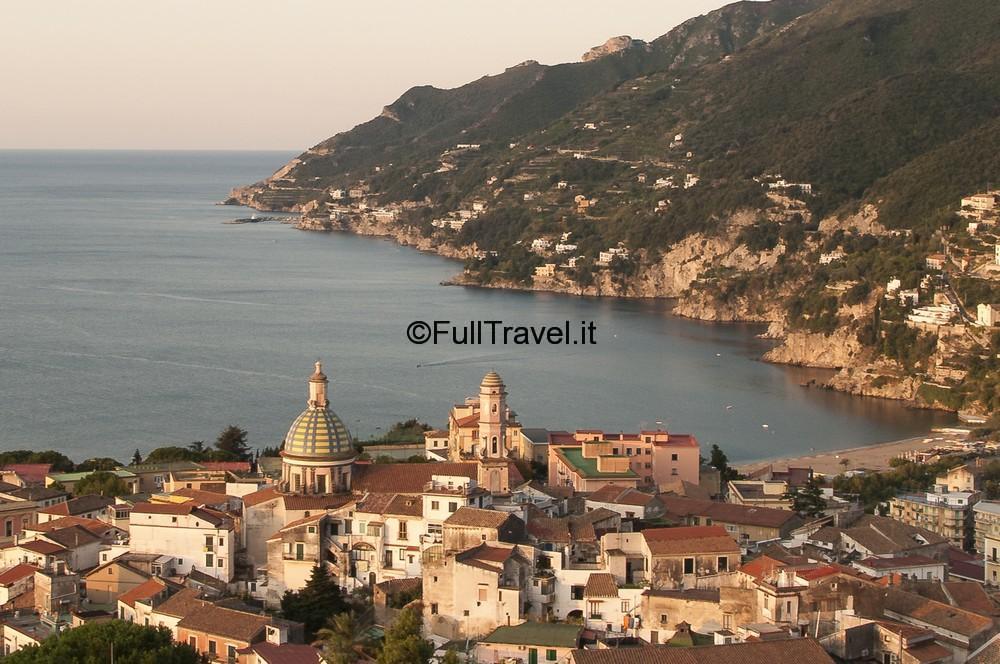


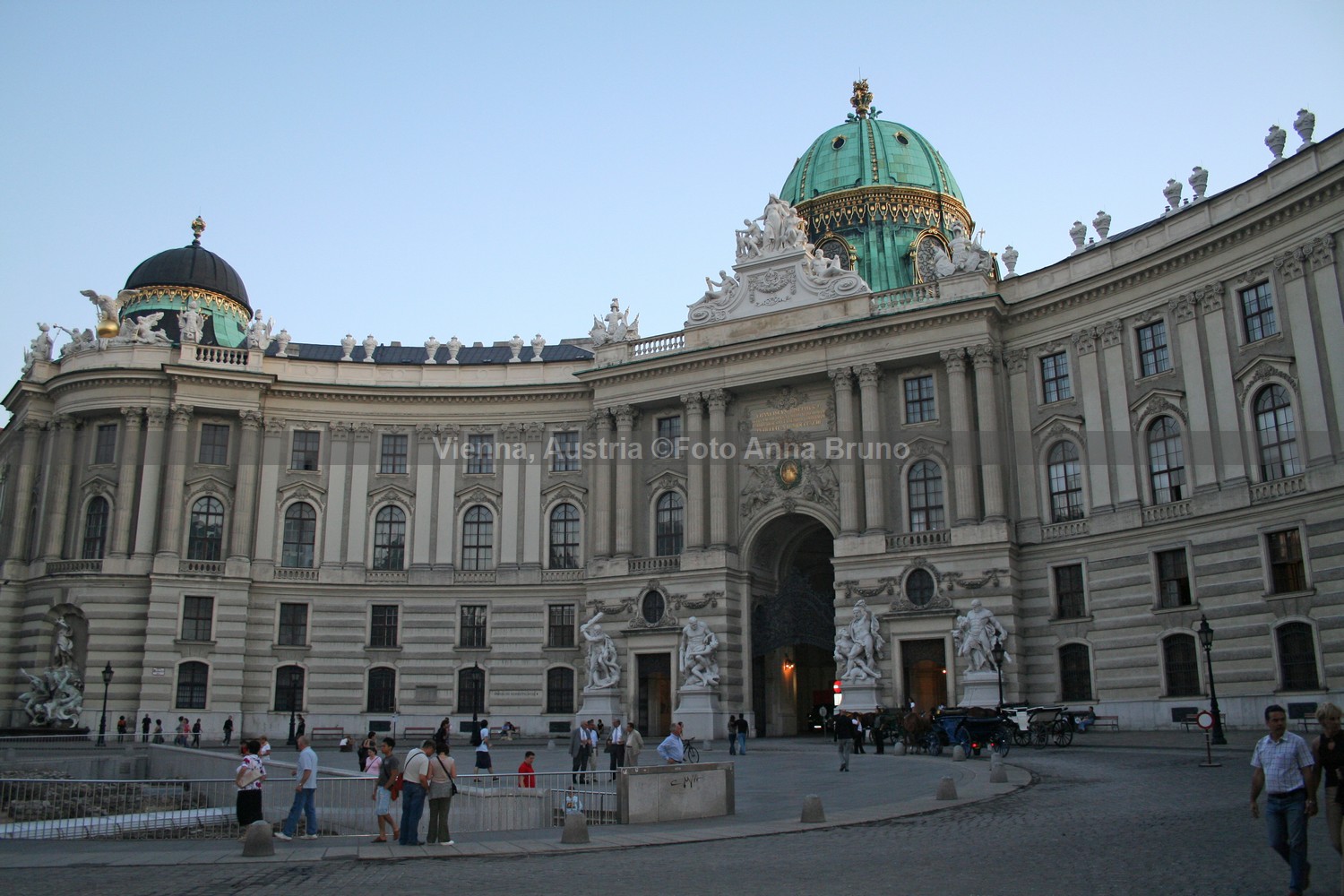

Austria is one of those heartland nations of Europe. It is positioned halfway between north and south, between east and west of the old continent. Austria is narrow and elongated to the west, expanding in the eastern and northeastern parts beyond the Danube, reaching the southern foothills of the Bohemian Massif.
The Alps cover about three-fifths of the country and are a constant in the variety of the landscape, presenting an average altitude of about a thousand meters and opening like a fan, softening towards the east. But valleys are also consistent: the Rhine valley in Vorarlberg, the so-called Bregenz Forest dotted with small villages, the broad Inn valley, the Salzkammergut with its green and blue lakes. Moving eastward, one encounters the fertile pre-Alpine regions of Upper and Lower Austria, then the plains at the margins of the Danube, leading up to the Bohemian Massif.
North of Vienna, the Marchfeld plains open up, reminiscent of Eastern European steppes, and to the east, Burgenland wraps around Lake Neusiedl to the Hungarian lowlands. On its own scale, Austria is a delightful and often unexpected kaleidoscope of environments and curiosities. East and south of Graz, the landscape has already notably changed: vineyards, chestnut groves, maize and pumpkin crops are frequent, from whose seeds a dark green oil is extracted by pressing, used in typical local dishes. In neighboring Carinthia, landscapes and atmospheres take on more Mediterranean tones thanks to the mild climate, which in summer offers a gentle tan on the shores of one of its numerous beautiful lakes.
Documents and Health Advice for Austria
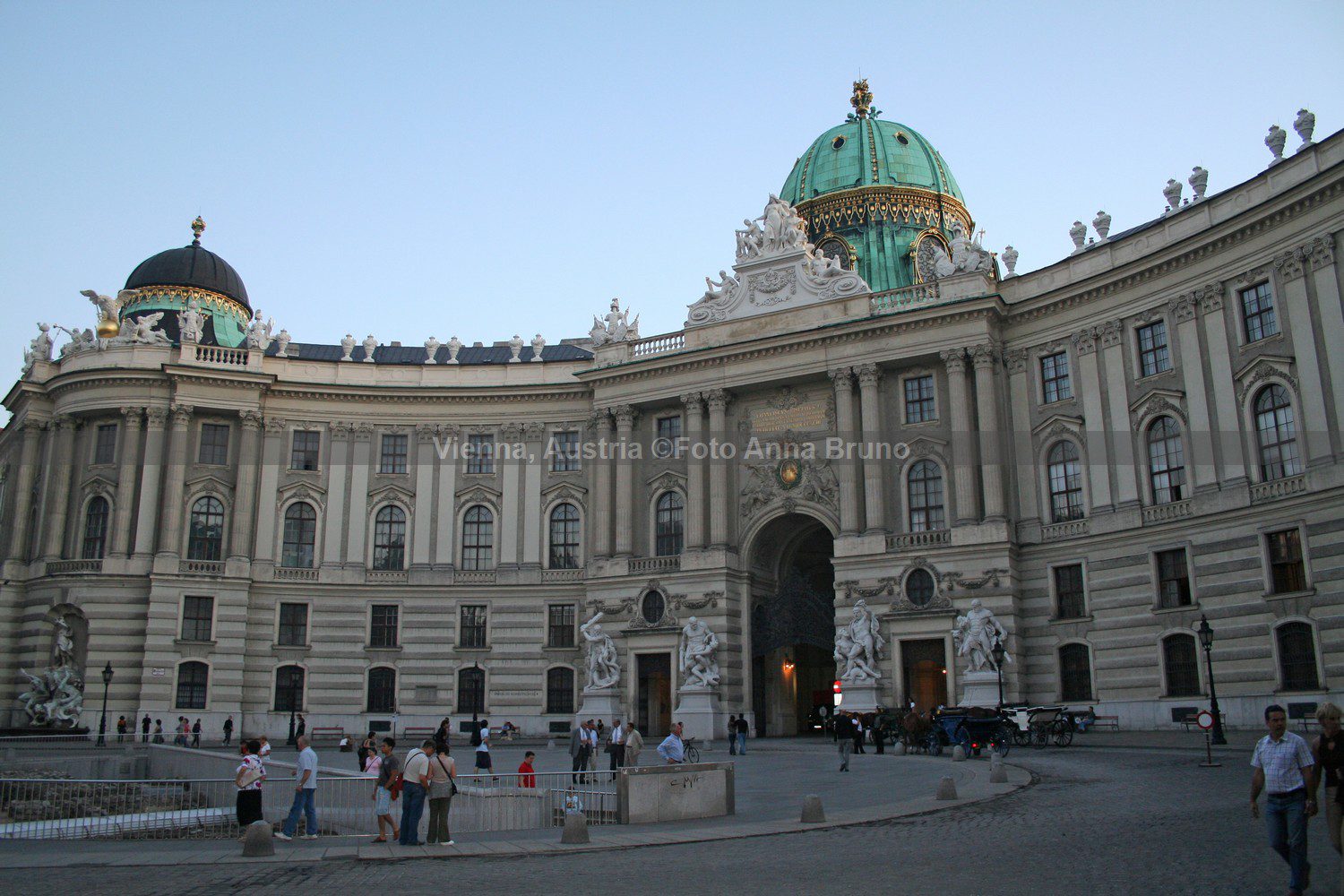
The documents required to enter Austria are a passport or an identity card valid for travel abroad. In case of need, you are entitled to medical care in Austrian public facilities by presenting the Health Card, which replaces the E111 form.
Where to Stay in Austria
From super-luxury or design hotels to the simplest farm accommodations, lodging in Austria is never a problem: cleanliness, efficiency, courtesy, and generally an adequate quality-price ratio prevail almost everywhere. The wide range of accommodation types satisfies all tastes and budgets. In the larger and more structured cities like Vienna, frequented not only by private and cultural tourism but also business tourists, international hotel chains see a constant flow of guests, followed by boutique hotels and other characterful locations.
In smaller centers, tucked within natural parks, by lakesides, in spa towns and high mountain resorts, farm stays and guesthouses are also widespread; B&Bs, farm accommodations; guest rooms and apartments equipped with all amenities, which are rented weekly or for longer periods. Their locations are absolutely breathtaking, starting with the wonderful Tyrol; Carinthia, which also offers a large number of cutting-edge beauty farms; Styria or small Vorarlberg. Another positive factor is that more and more hoteliers speak Italian and try to provide comprehensive assistance, offering maps and informational materials, recommending destinations and itineraries, services useful in the winter season as well as those related to summer, hiking, and outdoor life.
Austria Profile
- Country: Austria
- Surface area: 83,858 km²
- Capital: Vienna
- Population: 8.5 million inhabitants
- Language: German
- Religion: majority Catholic, minority Protestant
- State system: federal republic
- Major cities: Vienna, St. Pölten, Linz, Salzburg, Innsbruck, Bregenz, Klagenfurt, Graz, and Eisenstadt
Useful Information About Austria
- Currency: Euro
- International dialing code: +43
- International vehicle code: A
- Driving side: right
- Entry documents: ID card or passport
- Required vaccinations: None
- Electricity consumption: 0.76 kW/person
- Measurement system: Metric decimal
- Climate: In winter, very cold and foggy; in summer, humid and stormy
- Fixed-date holidays: January 1: New Year’s Day; January 6: Epiphany; April: Easter Monday; April: Easter; May 1: Labor Day; 40 days after Easter: Ascension; Pentecost; 11 days after Pentecost: Corpus Christi; August 15: Assumption of Mary; October 26: National Day; November 1: All Saints; December 8: Immaculate Conception; December 25: Christmas; December 26: St. Stephen’s Day
- Average temperatures: annual average ranges from 6°C to 9°C; in summer between 14°C and 19°C
- Transportation: National airline Austrian Airlines and many others like Ryanair, Air Dolomiti, FlyWest, etc. Trains: Austrian Federal Railways, Trenitalia, RailEurope, Eurostar.
- Airports: Vienna, Graz, Klagenfurt, Innsbruck, Salzburg, Linz, and Altenrhein