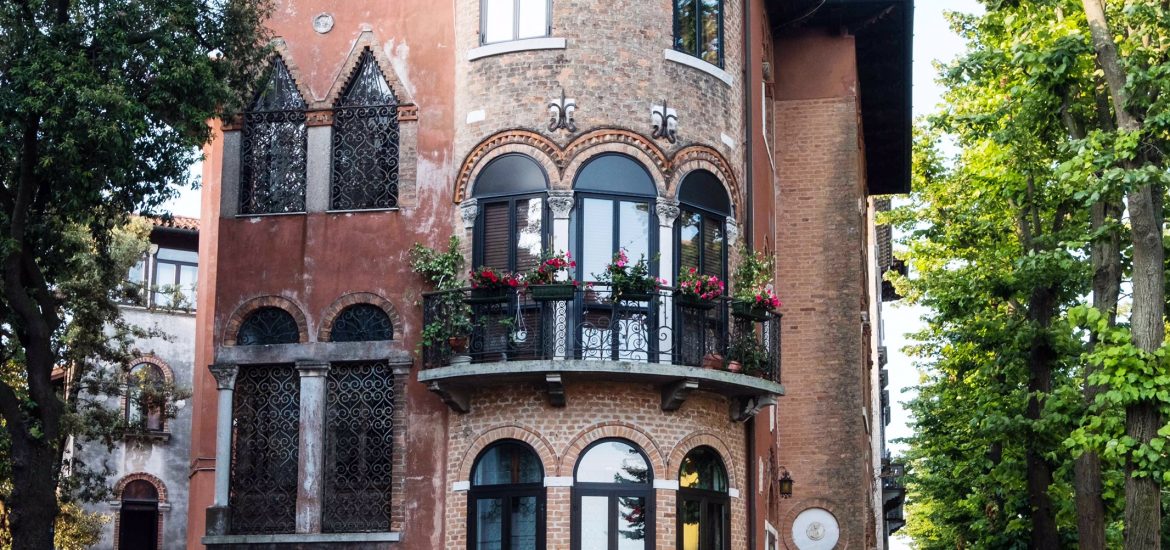




The recovery of the theatre remains, started in 1834 by a wealthy Veronese, Andrea Monga, who bought at his own expense all the houses that had been built over the centuries on the site, demonstrated that it conforms to the architectural standards typical of this type of building: the cavea reserved for spectators, divided into two sections and vertically into wedges; the semicircular orchestra at the foot of the seating; the stage, reserved for the actors.
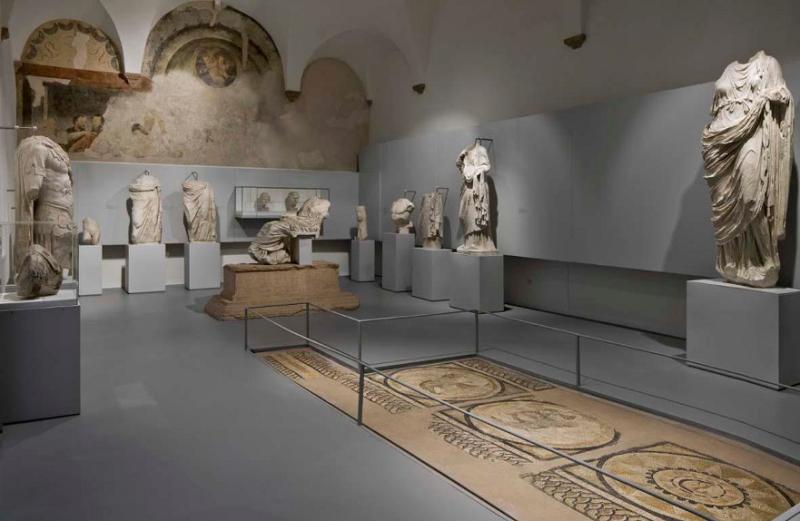
During the summer period, theatrical and musical performances are held here. The Archaeological Museum was established in 1923 in the premises of the former 15th-century convent of San Girolamo, overlooking the theatre. It displays Greek vases, mosaics, sculptures, glass objects, and everyday utensils found in necropolises, sacred and funerary inscriptions discovered in Verona and its province.
Information about the Archaeological Museum at the Roman Theatre of Verona
Rigaste Redentore, 2 37129 Verona
Tel. 045/8000360
[email protected]