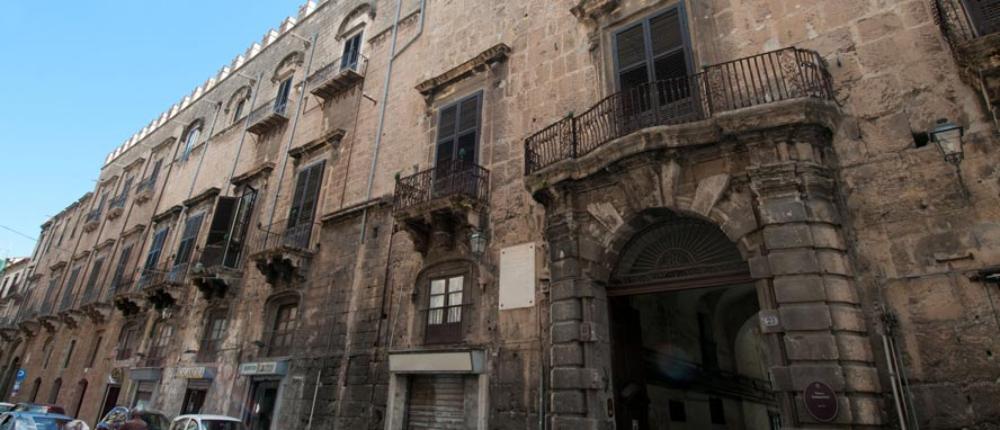


The Palace takes its name from Guglielmo Ajutamicristo, Baron of Misilmeri and Calatafimi, who had it built for his family between 1495 and 1501. He was a banker of Pisan origin, who became wealthy within a few decades through the trade of Sicilian cheese and cereals. Tired of living in the Arab castle of Misilmeri, he had long desired to create a “domus magna” in the capital that could properly represent his wealth and serve as an ornament and pride for the city itself. The opportunity arose with the arrival in Palermo of the famous architect Matteo Carnilivari (already the author of Palazzo Abatellis, today the Regional Gallery of Sicily), to whom he entrusted the construction of his palace on Porta Termini street. However, due to excessive expenses, the palace was only partially completed, altering the grand plans originally set.
At that time, the historic palace was the preferred residence for distinguished guests. In 1500, it hosted Queen Joanna, wife of King Ferrante of Naples; in 1535, Emperor Charles V stayed there, as he could not lodge in the Royal Palace, which was unsuitable for his magnificence; in 1544, Muley Hassan, King of Tunis, resided there shortly before being blinded by his son Ajaja; in 1576, Don John of Austria, brother of King Philip II and victor of the Battle of Lepanto (in which Admiral Marcantonio Calefati participated with the Pisan fleet) was received there.
In 1588, Margherita Ajutamicristo granted the palace to Francesco Moncada, first Prince of Paternò, for an annual rent of 390 onze, a concession which soon turned into ownership. In the 19th century, the Moncada family sold the Palace to the Calefati di Canalotti and Tasca d’Almerita families; to this day, the Calefati family holds their share of ownership, while the other half has been purchased by the Sicilian Region and will shortly become the seat of the Superintendent for Cultural Heritage.
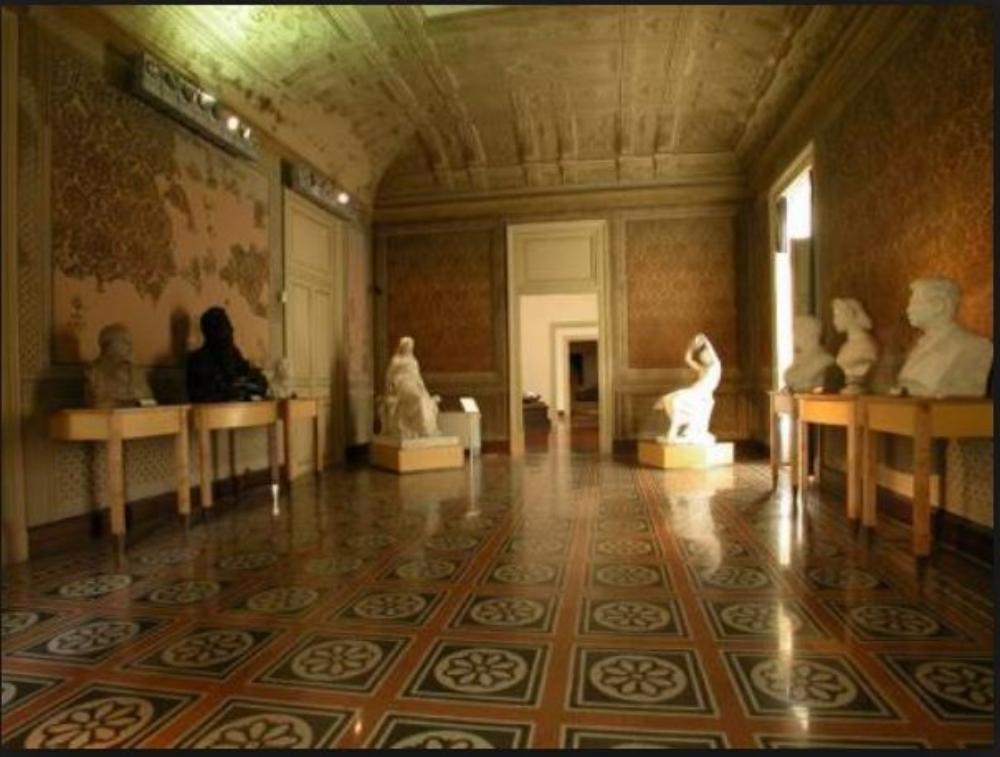
The restoration works, overseen by architect Lina Bellanca, head of the office, were commissioned by the superintendent and lasted about three years. The goal was to preserve, wherever possible, the original state of both the 15th-century structure, repeatedly altered over the centuries by its owners (Ajutamicristo, Moncada, Tasca, Canalotti), the Sicilian majolica flooring, parts of the frescoes found on the walls (initially protected by a layer of plasterboard), and the splendid wooden vaults.
The garden in front of the entrance to the carriage museum of the Martorana collection, on the ground floor, is nearing completion.
Information about Ajutamicristo Palace
Via G. Garibaldi, 23
Palermo (Palermo)
+39.091.6161894
[email protected]
https://palazzoajutamicristo.it
Source: MIBACT