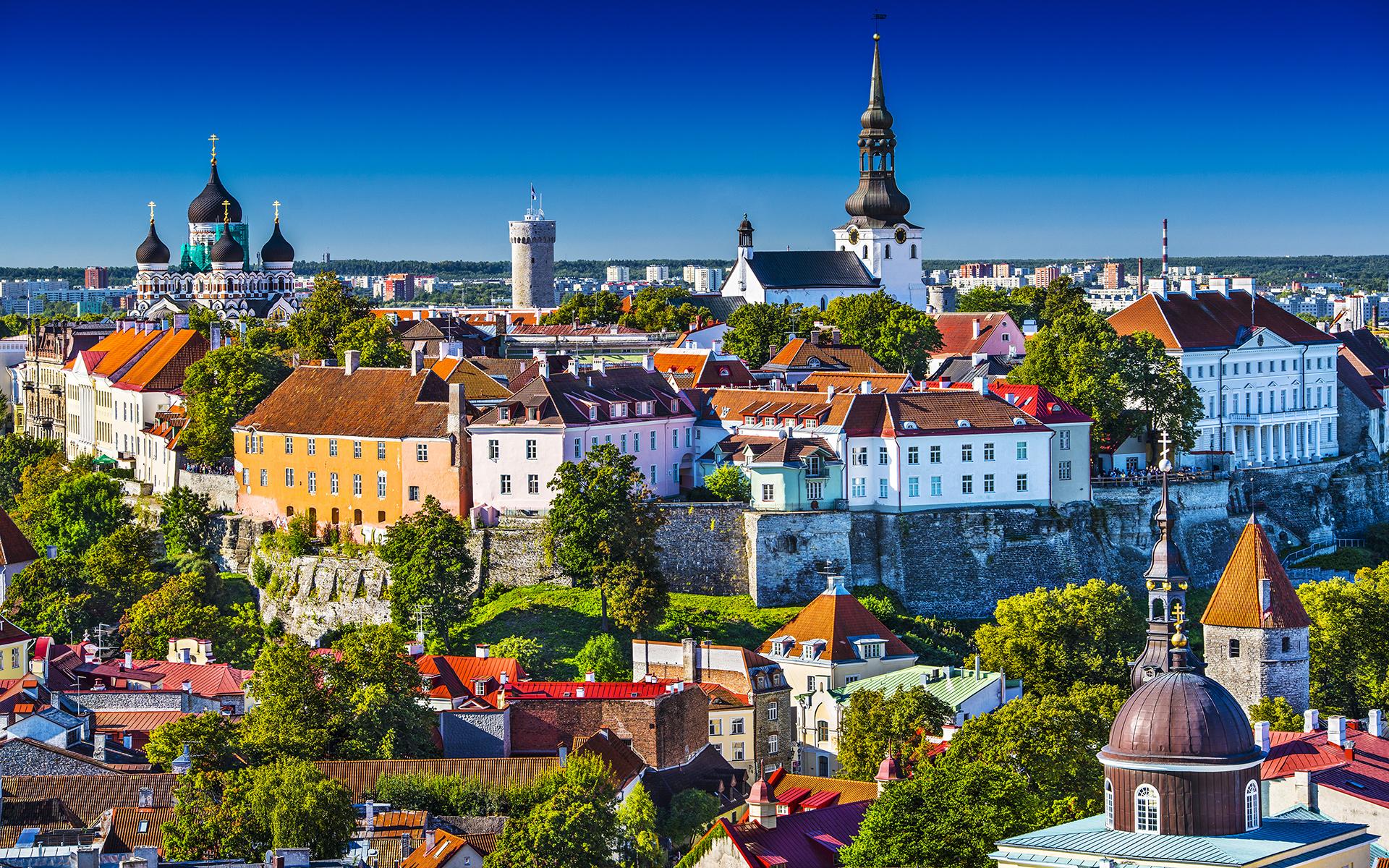


Situated on the Cape of Good Hope, the southernmost tip of Africa, where the Atlantic Ocean and the Indian Ocean meet, Cape Town, Cape Town, is considered the mother city of the country, the starting point from which the strong and troubled history of South Africa took its steps. Here the advice on when to go to South Africa.
1 Cape Town: historic center, City Bowl
The historic center is called City Bowl and is a true basin surrounded by mountains on three sides. The oldest neighborhoods occupy much of this area, reaching right to the foothills of the mountains, which have retained their primordial beauty. The center can be easily visited on foot, starting from Grand Parade, the main square, the point where the city originated in 1652, when a group of settlers led by Jan van Riebeeck, under the orders of the Dutch East India Company, landed in the bay and put down their roots here.
Grand Parade offers very pleasant atmospheres, aided by flower stalls, the twice-weekly market, music, singing, and dancing which are commonplace. It is also a rich melting pot of faces and features, a privileged observatory of the city’s ethnic richness.
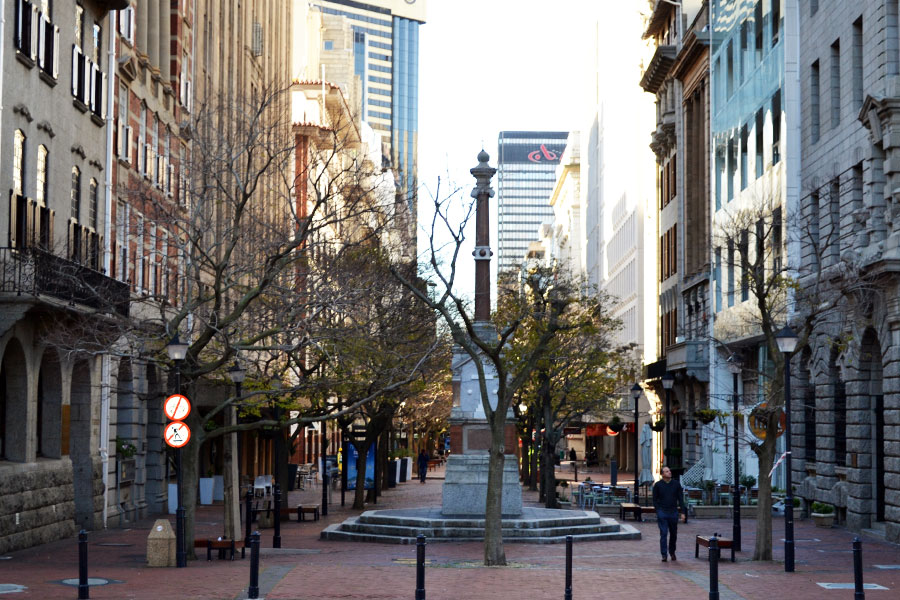
2 Cape Town: City Hall, City Hall
The City Hall, City Hall, which dominates it, is an early 20th-century building. It was here that, in 1990, Nelson Mandela gave his first speech as a free man in front of a crowd of one hundred thousand people. Nearby, the Castle of Good Hope (originally the fort built by settlers) stands out, pentagonal in shape, with the Military Museum inside.
3 Cape Town: Adderley Street
But the main artery is Adderley Street, which runs through the business district, with its forest of skyscrapers, headquarters of banks and companies, clad in the typical red sandstone of the Cape. The upper part of Adderley Street is called Government Avenue, with government buildings, the St.George Cathedral, built in the early 1900s, and the Slave Lodge, where slaves were once crammed waiting to be sold, now home to a museum about the history of slavery in South Africa and the social history of Cape Town.
The nearby Company’s Gardens form a magnificent green lung, shaded by centuries-old oaks, with fountains, ponds, and flower beds.