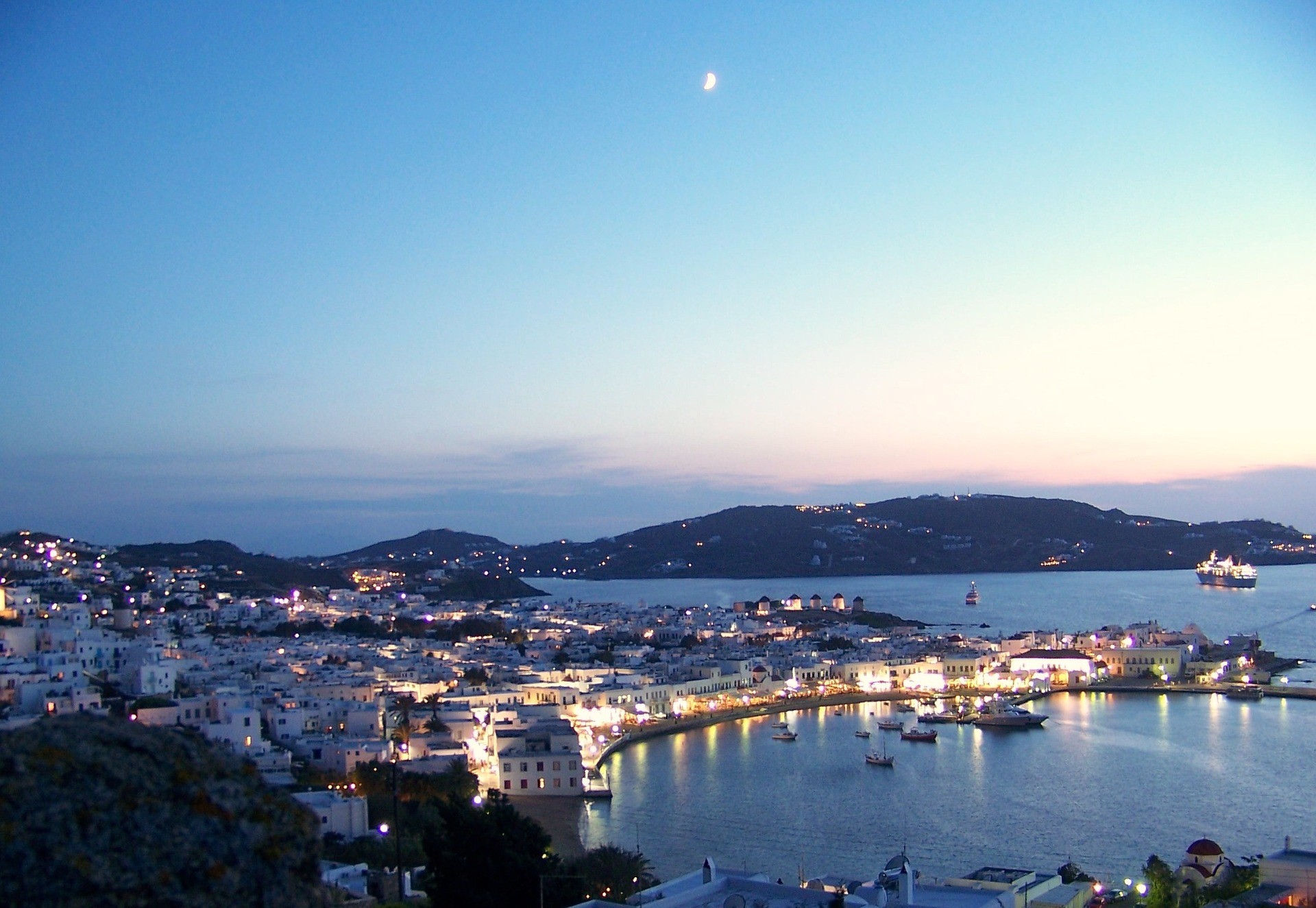


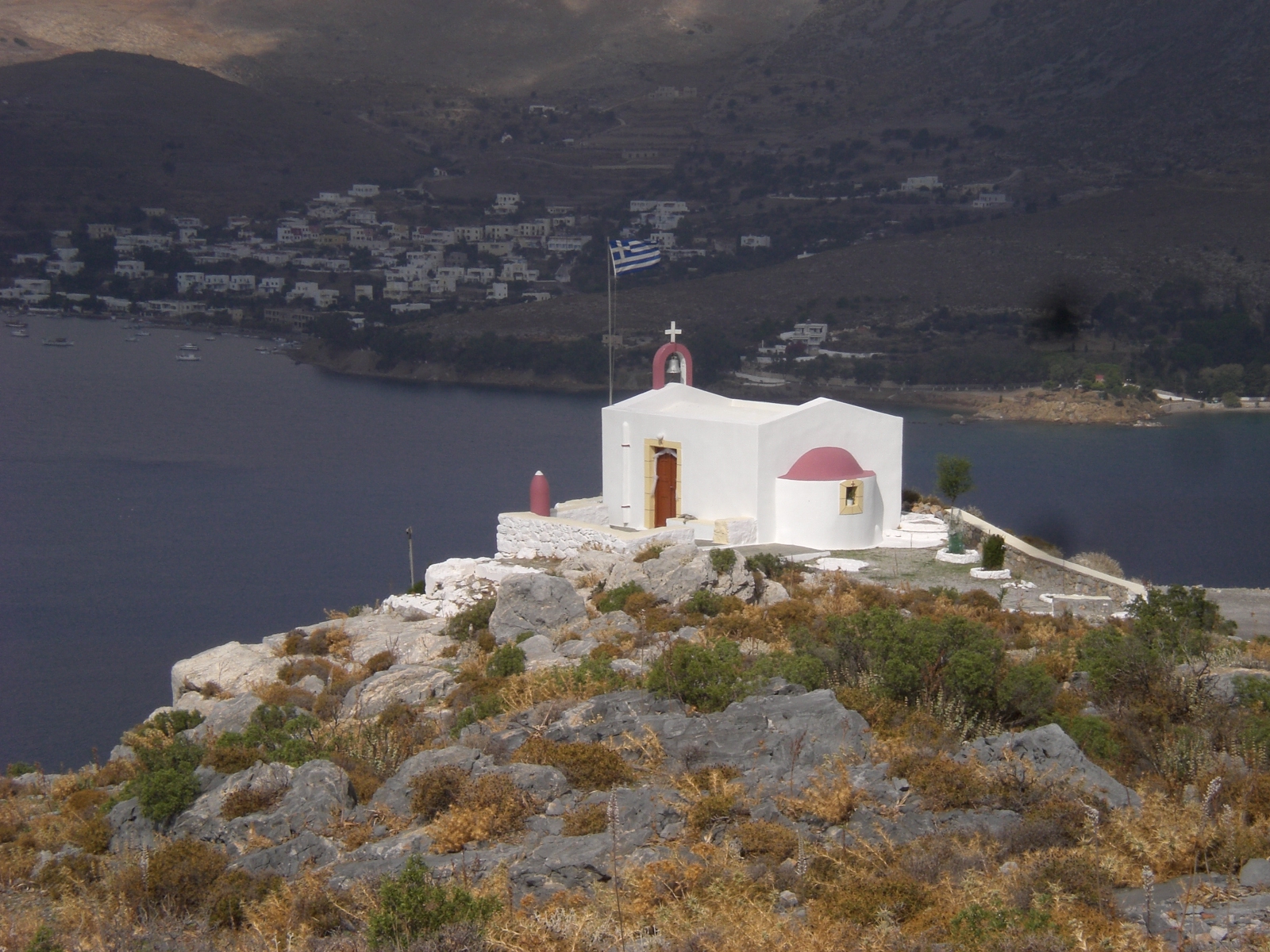


Just 4 kilometers from the Turkish city of Bodrum, the island of Kos was known in antiquity mainly because Hippocrates, the father of medicine, was born there. In the city of Kos, the origins of the Greek physician are imprinted and recalled in the so-called Plane Tree of Hippocrates (considered one of the largest in Europe), as according to legend beneath a similar specimen Hippocrates taught his students the art of medicine. Every year on September 5, the women of Kos perform a kind of ritual with the branches of the plane tree so that they may receive good health, vigor, and longevity.
The magic of history comes alive on the island of Kos not only through its natural beauties and traditions but also in the various archaeological sites. Worth noting is the Castle of Neratzia, located on a small islet south of the port of the city of Kos. Of strategic importance, the fortress was built by the Knights of Saint John using material from the numerous Greek and Roman ruins in the area.
Another very important fortification, although little known, is the fortress of Antimachia built in the 15th century to strengthen the internal defense of the island. Within its 45,000 square meters of extension, it is possible to discover the remains of granaries, cisterns, churches, and dwellings of the time.