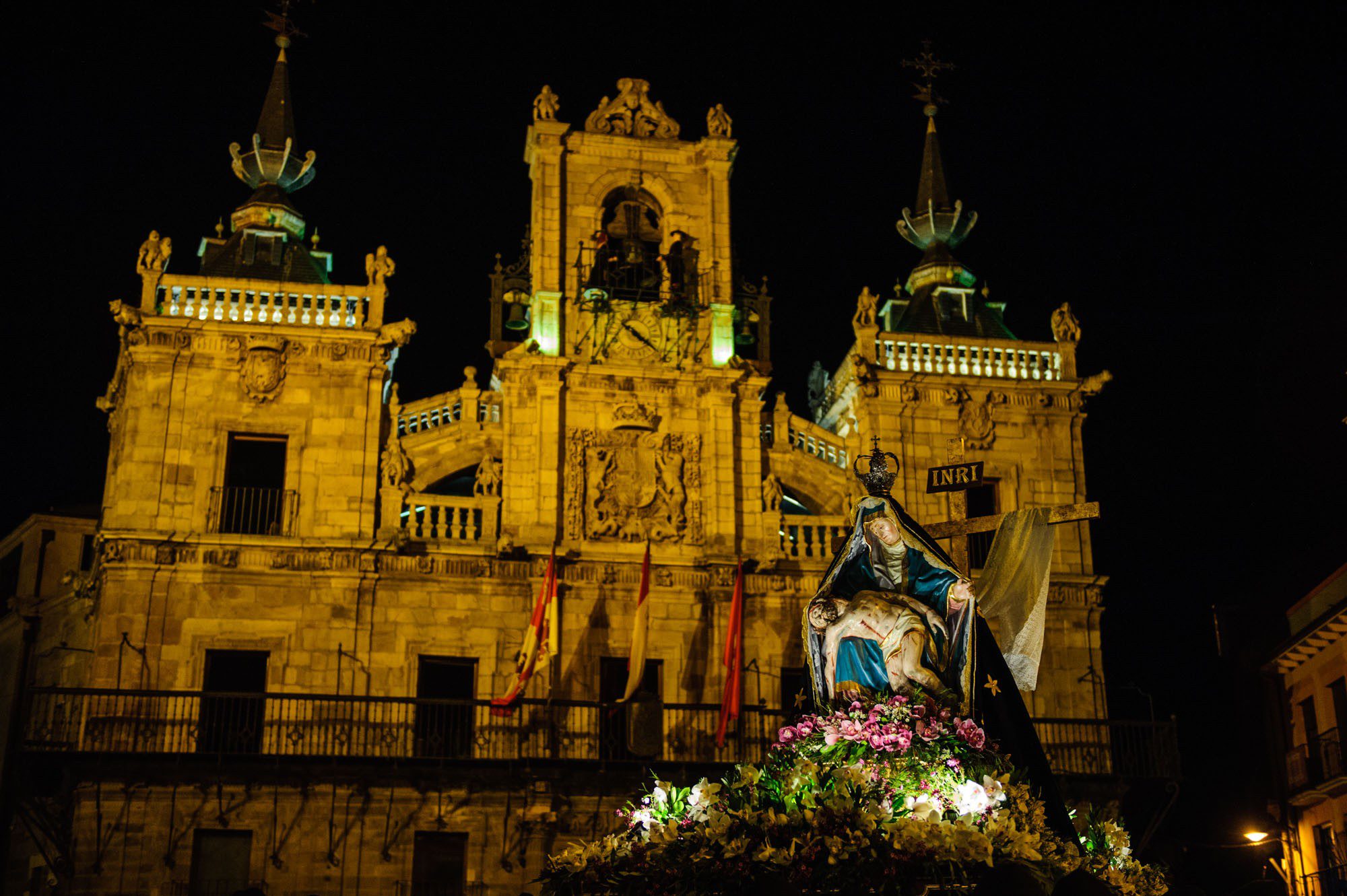


La Semana Santa es una de las festividades más importantes y significativas en España, y la ciudad de Astorga es famosa por su celebración única. Este evento anual atrae visitantes de todo el mundo, deseosos de asistir a una combinación de tradiciones religiosas, cultura local y espectaculares procesiones. En este artículo, exploraremos la historia, las tradiciones y las principales atracciones de la Semana Santa en Astorga.
The Origin of Holy Week in Astorga
The celebration of Holy Week in Astorga has deep roots in Spanish history and tradition. It dates back to the 18th century, when the city was an important religious and cultural center. During this period, several religious brotherhoods were founded in Astorga, each tasked with organizing the processions and ceremonies of Holy Week.
The Brotherhoods of Astorga
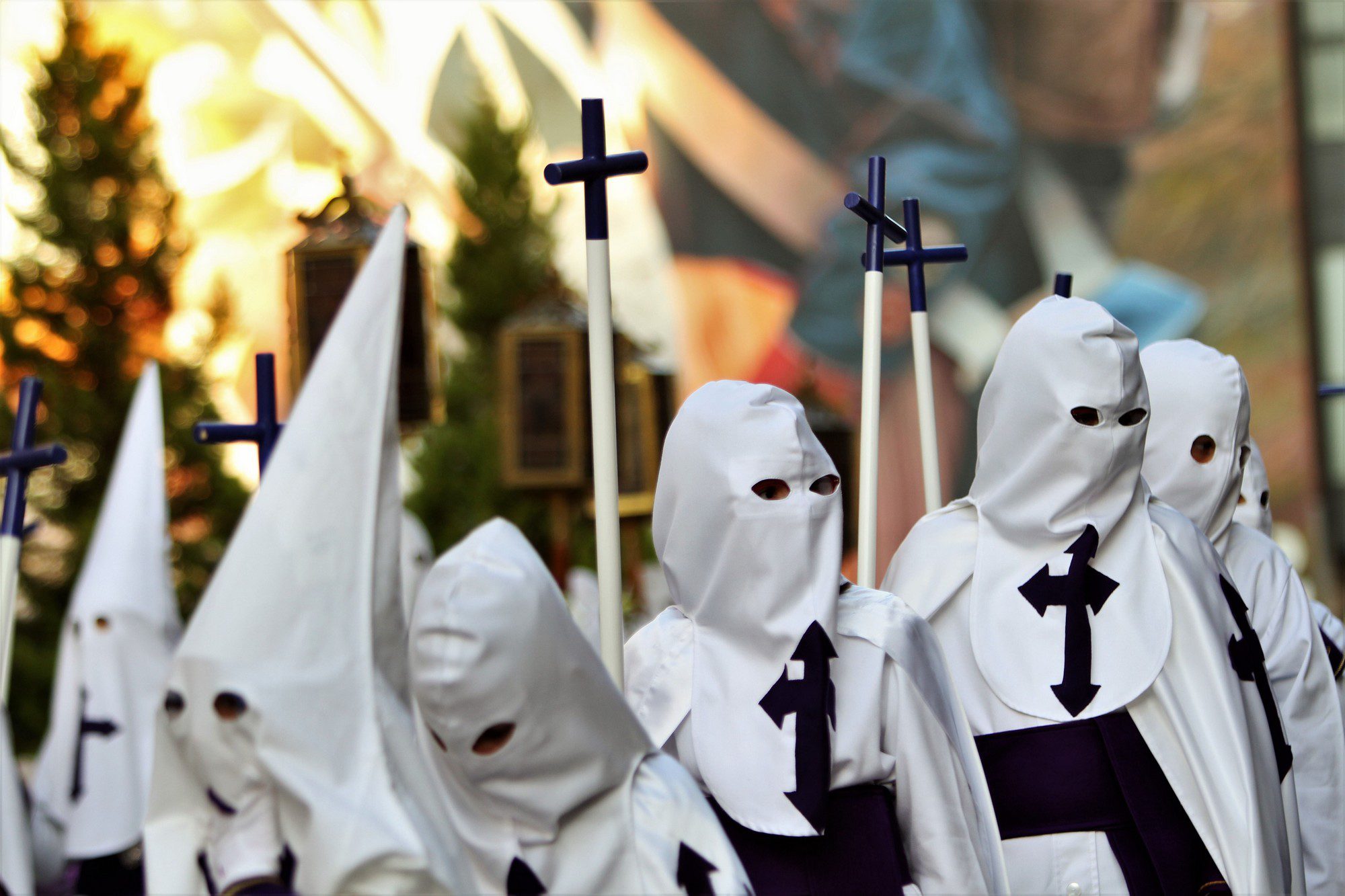
The Holy Week in Astorga is characterized by the active participation of seven religious brotherhoods, each with its own distinctive style and rituals. These brotherhoods are responsible for organizing the processions and ceremonies throughout Holy Week.
Here is a list of the most important brotherhoods in Astorga:
- The Brotherhood of the Blessed Sacrament: this brotherhood is responsible for organizing the Maundy Thursday procession, during which the statue of Christ of Mercy is carried in procession.
- The Brotherhood of the Holy Crucifix: this brotherhood organizes the Good Friday procession, during which the statue of Christ of Forgiveness is carried in procession.
- The Brotherhood of Sweet Memories: this brotherhood takes care of organizing the Palm Sunday procession, during which the statue of Christ of the Agonizing is carried in procession.
- The Brotherhood of the Holy True Cross: this brotherhood organizes the Holy Wednesday procession, during which the statue of the Madonna of the True Cross is carried in procession.
- The Brotherhood of Christ of the Great Power: this brotherhood is responsible for organizing the Holy Monday procession, during which the statue of Christ of the Great Power is carried in procession.
- The Brotherhood of the Blessed Sacrament and the Immaculate Conception: this brotherhood organizes the Holy Tuesday procession, during which the statue of Christ of the Good Death is carried in procession.
- The Brotherhood of the Madonna of Sweet Memories: this brotherhood is responsible for organizing the Holy Saturday procession, during which the statue of the Madonna of Sweet Memories is carried in procession.
The Processions
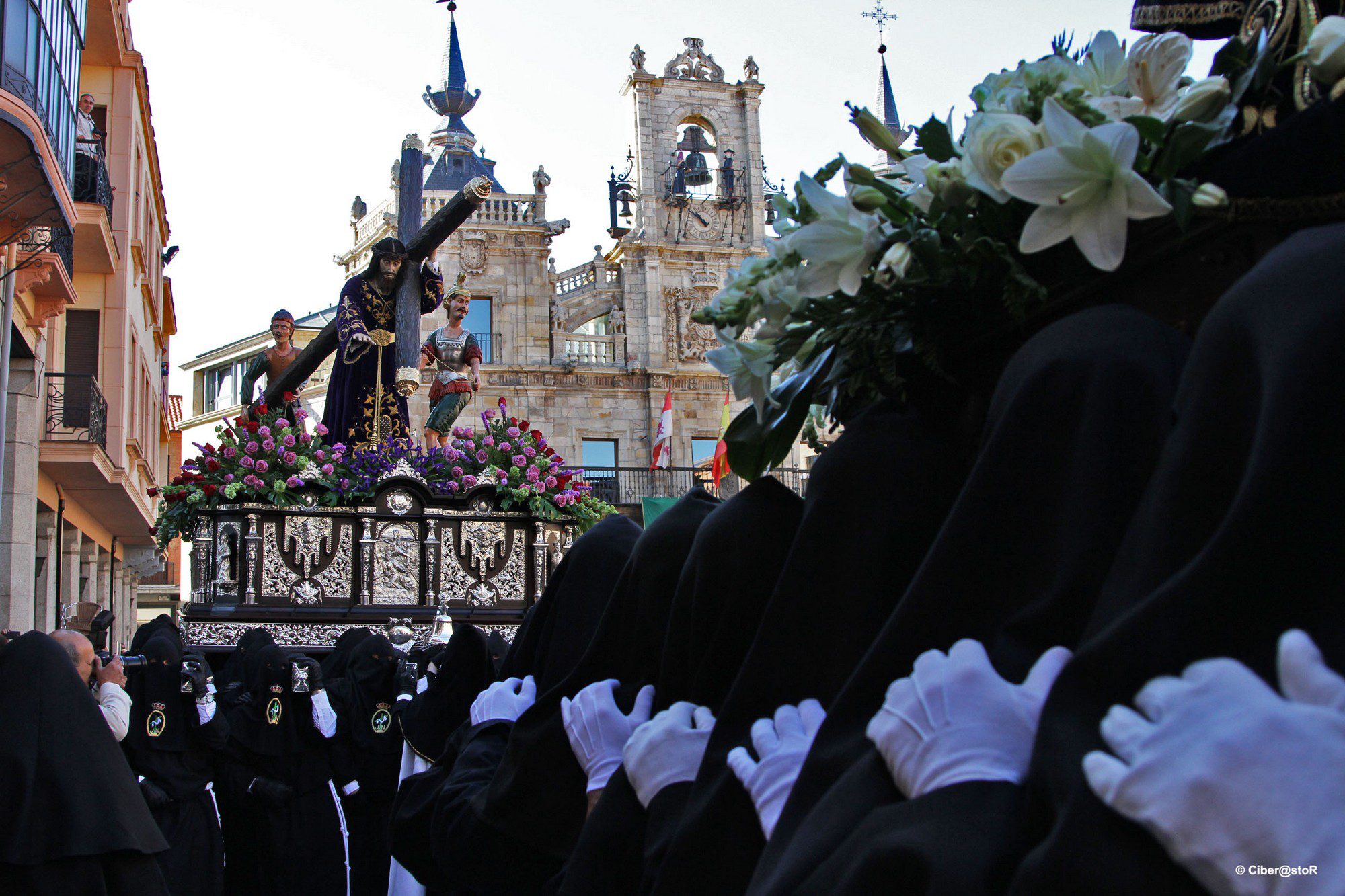
The processions of Holy Week in Astorga are one of the most anticipated and spectacular events of the entire celebration. Each brotherhood organizes its own procession, which winds through the streets of the city, involving thousands of participants and spectators.
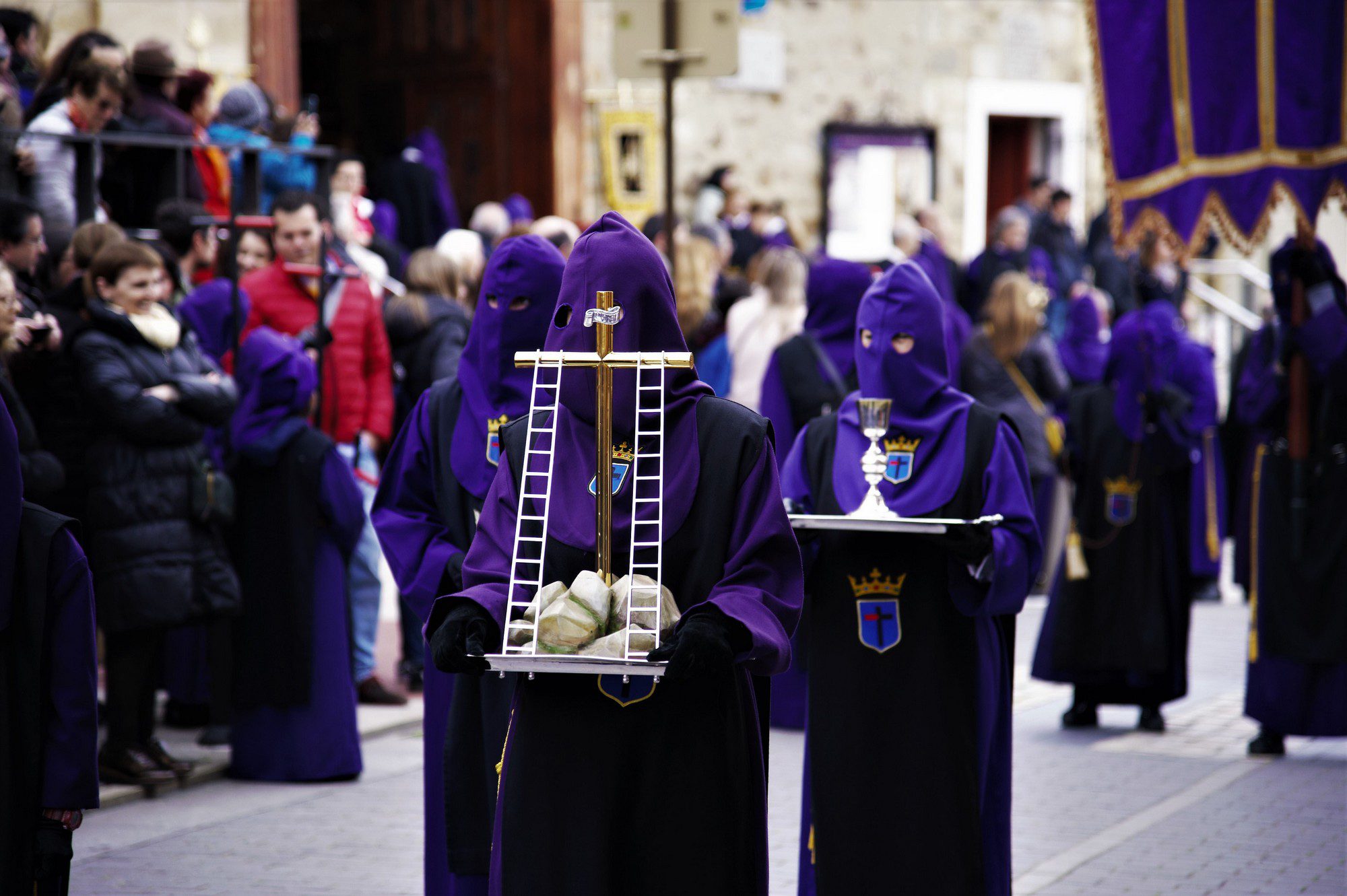
During the processions, the members of the brotherhoods wear traditional garments and carry sacred statues, some of which are priceless works of art. The statues are carried on the shoulders by a group of devotees, who walk slowly along the predetermined route. The streets are decorated with flower petals and colorful carpets, creating a magical and evocative atmosphere.
Many of the processions include moments of prayer, religious songs, and biblical readings, which add a spiritual touch to the celebration. The processions take place both during the day and at night, creating a unique visual spectacle with the light of candles and the shadows of the sacred statues moving slowly along the streets.
Tourist Attractions in Astorga during Holy Week
Besides the processions, Astorga offers a number of tourist attractions worth visiting during Holy Week. Here are some of the most interesting places to explore:
- The Cathedral of Santa Maria: This majestic cathedral, built in the 15th century, is one of the main landmarks of Astorga. Its Gothic facade and sumptuous interiors are a true feast for the eyes.
- The Episcopal Palace: This palace, designed by modernist architect Antonio Gaudí, is a work of art itself. It houses the Museum of the Way of St. James, which tells the history and traditions of the famous pilgrimage route.
- The Roman Museum: Located in the remains of an old Roman villa, this museum offers an interesting overview of the Roman history of Astorga and the surrounding region.
- The Basilica of San Marcelo: This basilica, built in the 14th century, is an important place of worship and an impressive example of Romanesque architecture.