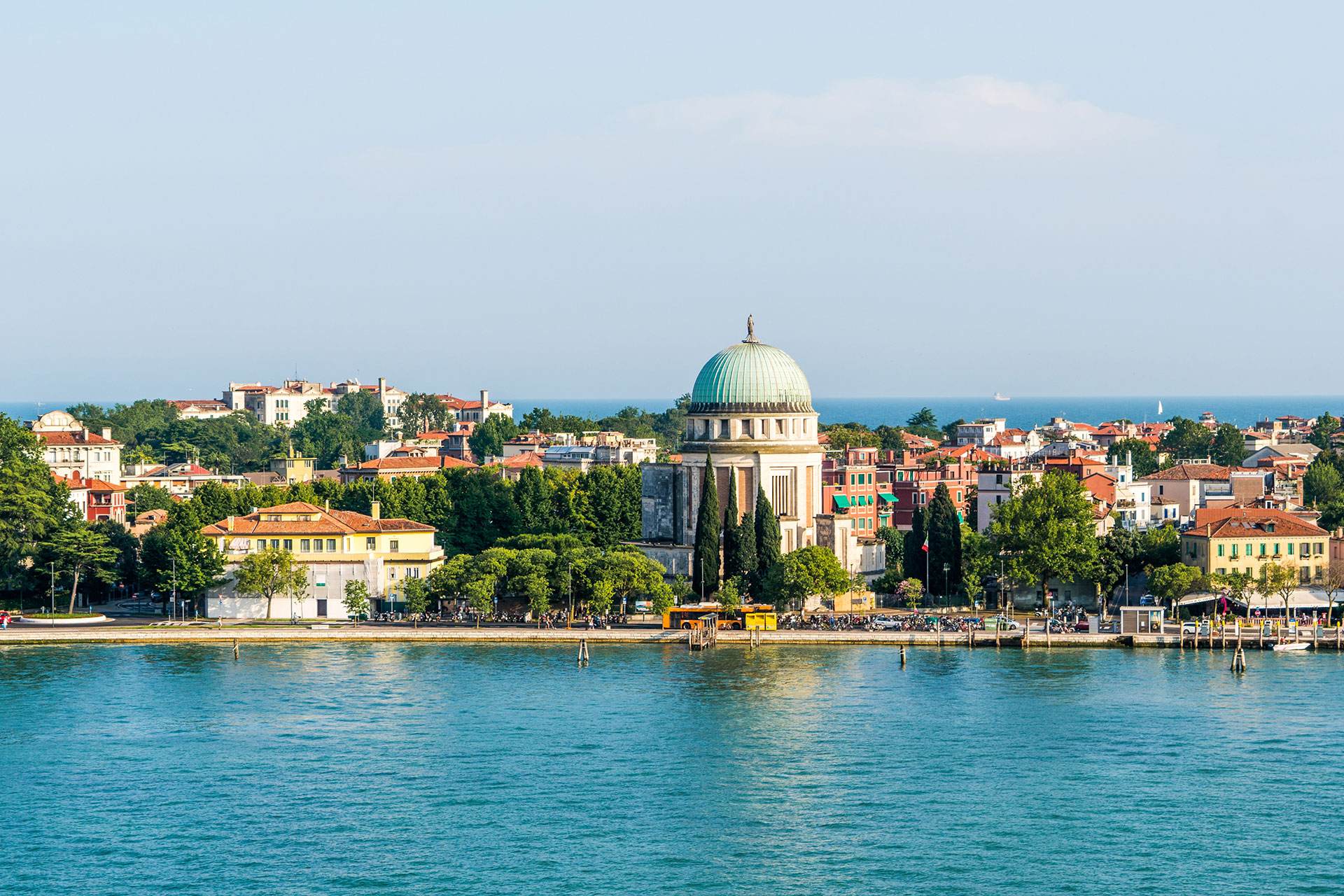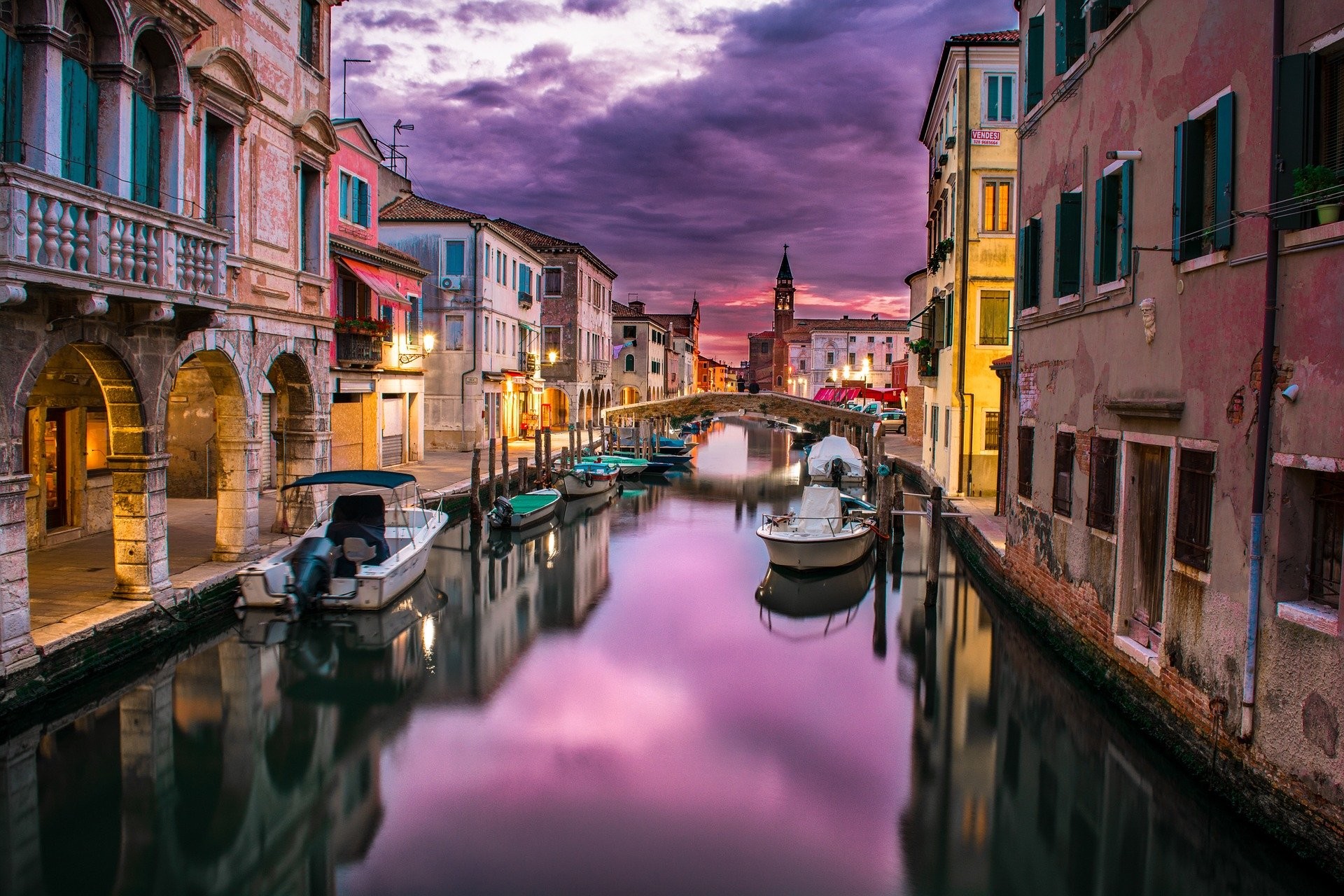

Per visitar Venecia y su laguna en un día, hemos decidido partir desde Chioggia, un pequeño pueblo que se encuentra cerca de la ciudad lagunar y que definitivamente merece una visita.
Chioggia
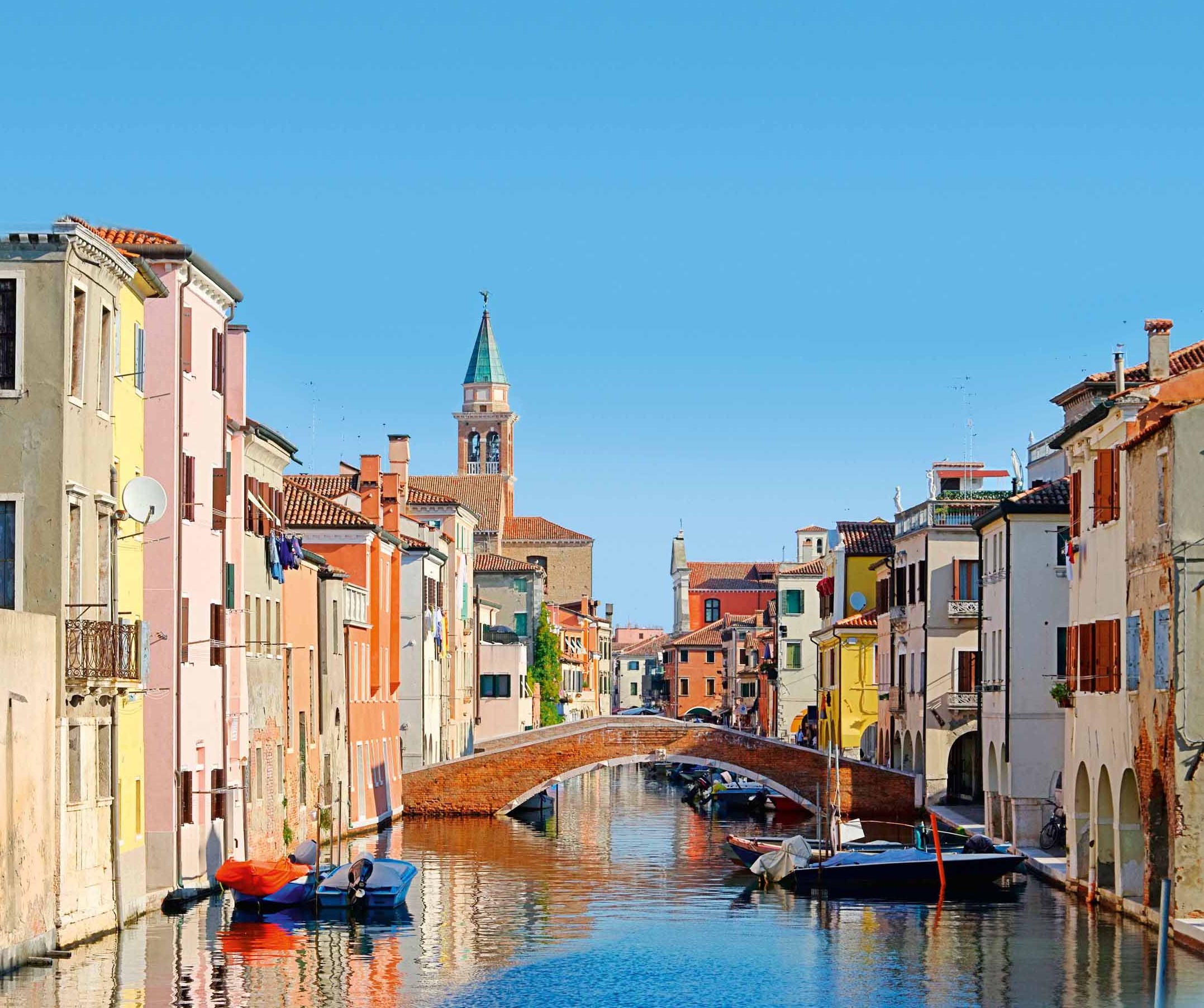
Chioggia, the little Venice, with its alleys and its famous fish market and the nearby Sottomarina are the ideal starting point to visit the most loved and known city in the world, Venice. This small fishing village resembles the lagoon city a lot: houses, alleys and foundations make it similar to the most famous city but Chioggia has a particular, intimate charm. From here, once you arrive at Piazzetta Vigo by vaporetto you reach Pellestrina. The motorboat Raffaello service operates special services at some times of the year, such as Easter. The motorboat Raffaello service is active in the warmer months, starting from April, departing from Sottomarina Ponte dell’Unione to Venice at 9 a.m. and returning from San Marco to Sottomarina at 5 p.m. For those who would then like to visit the islands, once you arrive in Venice it is possible to use the ACTV public transport vaporetti.
Pellestrina
13 kilometers long and 210 meters wide, Pellestrina is a small fishing island, where life still goes on as it used to, between slow rhythms and traditions. At the southern extreme you find the 18th-century Murazzi, which separate the sea from the lagoon and protect the island. Worth a visit is the Cà Roman nature reserve, which extends for about forty hectares of wild beach, dune and scrub. Here you can spot kingfishers, cuckoos, and herring gulls, and in the nesting periods, plovers and the little tern, two rare species that have chosen this quiet and deserted area as an ideal place for reproduction, where tourists rarely arrive. Having crossed the whole island, you can take the ferry to the Venice Lido.

Venice
The flight of the seagulls accompanies the journey through the Venetian lagoon, until the symbol of Venice begins to appear: the St. Mark’s bell tower. The excursion continues on foot among the alleys, the foundations, and the small squares of this incredible city suspended on water, meeting splendid churches and famous palaces from St. Mark’s Square with the Basilica, Doge’s Palace, a masterpiece of Gothic art that houses works by Titian, Tintoretto, and Tiepolo, the church of Santa Maria della Salute, the Rialto Bridge, the Fondaco dei Tedeschi. Every corner reveals a monument worth seeing and visiting.

Island of Mazzorbo
The lagoon surrounding magical Venice hides small realities all to be discovered. From Venice you can reach by ferry the island of Mazzorbo, populated by simple colored houses alternating with gardens and vineyards. Hidden from mass tourism, the 14th-century conventual church of Santa Caterina is flanked by a beautiful dome bell tower, in which the oldest bell of the lagoon is kept.

Burano
The walk continues by crossing the wooden bridge that connects Mazzorbo with Burano, an island famous for lace. The moored boats remind us that it is a fishing island but what is most surprising is the liveliness of the colors of the houses and the slow pace, which seems to have taken over this small island, still untouched by the hectic activity that is felt in Venice. Walking along the calli you notice the laundry hung between the houses and elderly ladies sitting in front of the entrances to the homes busy working on lace.
Island of Torcello
Resuming the boat, nearby you encounter the Island of Torcello, once the beating heart of the northern lagoon. After getting off the boat you meet the Devil’s Bridge, which according to legend, appears in the middle of this bridge in the form of a black cat every night on December 24th. Not far away is the Basilica of Santa Maria Assunta, the oldest in the lagoon, flanked by its baptistery, the martyrium of Santa Fosca, the bell tower and the Palaces of the Council and the Archive. At the center of the small square is an ancient marble seat, used by the Tribunes to administer justice, but which, according to a popular legend, was the throne of Attila, the King of the Huns, who passed through here to sow destruction and desolation. If you climb the bell tower you can admire the entire intricate lagoon landscape of Venice. Not to be missed is the Provincial Museum of Torcello.
Along the way back, on the boat returning to Venice, you cross two islets with a deserted appearance, Madonna del Monte and San Giacomo in Paludo, where a thousand years ago a convent with a guesthouse sheltered sailors and today hosts an environmental research center.

Borgo di Malamocco
A village from another time, Malamocco. The only one on the entire island, full of light and character, where, in the profile of a small Venice (calli, campielli, canals, bridges and brightly colored houses leaning against each other) you can relive echoes of long-gone splendor, when, from 742 to 811, it became the capital of the Duchy. A place loved by many, locals and others, like Mario Soldati or Hugo Pratt, undisputed master of modern comics, whose house remains here. It is very pleasant to get lost among the almost shopless alleys, to savor the magical calm of the Church square, with 15th-century buildings, such as the Church of Santa Maria Assunta with milk-colored walls and to emerge into the characteristic calle del Paradiso and piazza delle Erbe.

Lido di Venezia
You enter the heart of the Lido, taking lungomare Marconi to find yourself in the “Garden City”, built at the beginning of the 20th century, in full Liberty and Art Deco style.
Besides private homes, you can glimpse the large early-century hotels, frequented by Hollywood stars, queens and great writers: the Des Bains and shortly after the Excelsior, with its striking Neo-Moorish architecture, built in 1907, which, with their elegant bathing establishments, have transformed the Lido into one of the most chic tourist destinations in the world since the early 1900s. Between the two are the Casino, opened in the 1930s and of fascist architecture, and the Palace of Cinema, home of the famous Venice International Film Festival.