


October and November are the best months for a trip to Nepal focused on trekking and stunning landscapes. Organizing a tour like this might seem complex, but here you’ll find some practical tips to make planning easier: from choosing the best travel insurance to selecting the most suitable trekking routes for your fitness level.
Travel safely for a worry-free adventure
Choosing the right insurance coverage is essential when planning a trip dedicated to sport and adventure. There are many options on the market and various insurance companies to consider. Here are our tips for making the right choice:
- When picking a policy, pay close attention to the coverage offered. Make sure it includes 24/7 assistance and access to an interpreter if needed. Ideally, your policy should cover medical evacuation and a family member’s travel in case of hospitalization.
- It’s even better if you can add optional coverages to tailor your policy to your needs. For example, passionate photographers shouldn’t travel without protecting their gear!
- Always choose experienced professionals and reputable insurance companies. When it comes to safety, trust in your provider is crucial.
A trekking route for every skill level
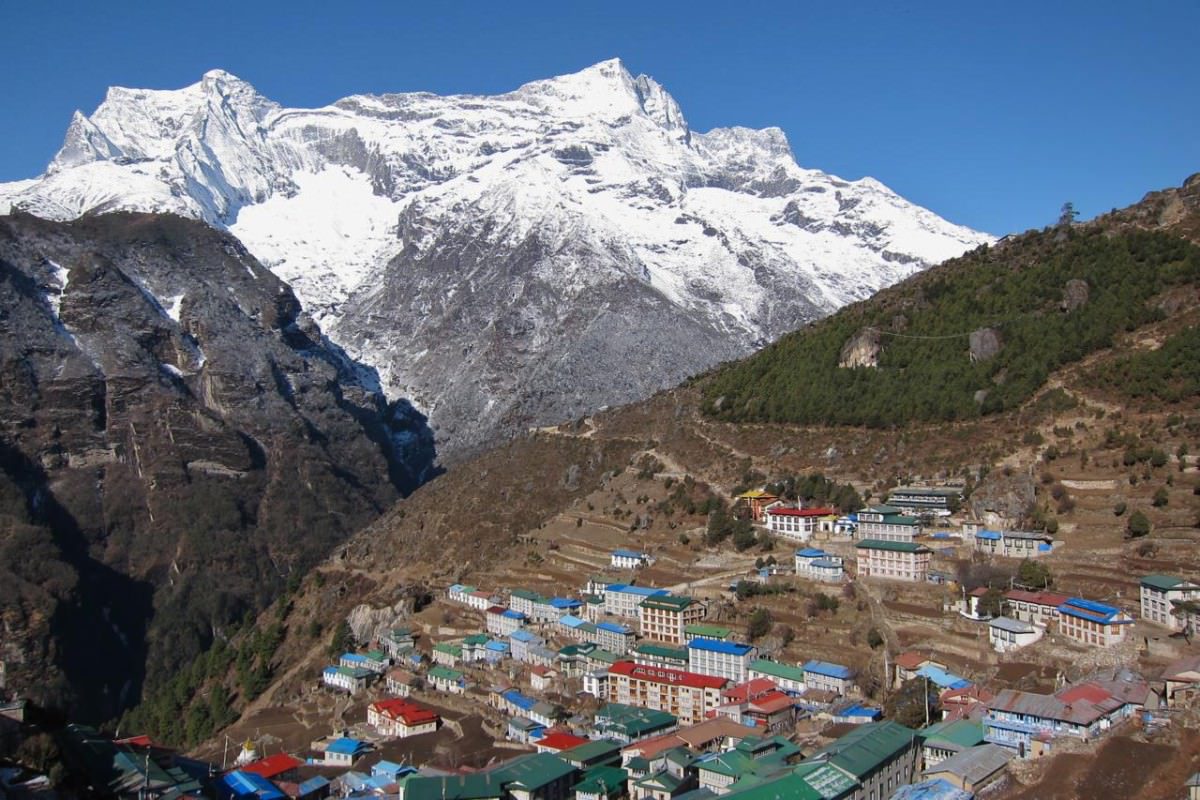
Nepal offers a range of trekking trails to suit every level of experience—meaning you can enjoy amazing views whatever your preparation. Every trekker can find the right path:
- Easy: These trails don’t require special training, as you never exceed 3,000 meters and walk between 5 and 7 hours daily. Jomson Muktinath Trekking and Helambu Trekking are ideal if you’re in good health.
- Intermediate: These routes reach altitudes around 4,500 meters, with continuous ascents and descents. You’ll need plenty of energy and determination. Try Langtang Trekking if you’re ready for this challenge.
- Challenging: Long trekking days and high elevations make these trails truly adventurous. Attempt them only if you have prior experience with high-altitude treks. Well-trained hikers can take on Manaslu Trekking or the Everest Base Camp (EBC) Trekking.
DIY trekking: how to prepare?
If this is your first trip dedicated to trekking, we recommend working with agencies that can handle every detail.
If you’re already experienced in organizing travel and want to do everything yourself, here are a few tips:
- As mentioned, start by getting travel insurance that covers you for any medical expenses related to accidents or altitude sickness.
- Choose your route carefully and consider joining a group or organized trek.
- Book your accommodations ahead of time, bring a sleeping bag, a first aid kit, and all the essentials you might need for unexpected events.
- Research the trekking regulations. Before leaving, contact the National Tourist Office or the Trekking Agents Association—the only bodies authorized to issue individual trekking permits.