


Among the oldest public museums in Europe, the Lapidary (a collection of Greek, Etruscan, Paleovenetian, and Roman inscriptions, as well as Arab ones) was established in 1745 mainly thanks to the passionate collection efforts of Scipione Maffei, a distinguished Veronese scholar. It was located in the area between the ancient walls connecting Piazza Bra and Castelvecchio.
The site was originally conceived as a garden entrance to the Philharmonic Academy theater. Since 1612, the Philharmonic Academy had acquired 28 inscriptions and later displayed them in the courtyard in front of the building.
The museum arrangement is credited to Scipione Maffei himself; the museum was then acquired by the Municipality in 1883 and was refurbished according to modern criteria in 1982.
The epigraphic material and reliefs are distributed by chronological sections in the courtyard accessed through the Philharmonic theater’s foyer, the basement, and two upper rooms. The refurbishment, completed in 1982, was curated by Lanfranco Franzoni, based on a project by architect Arrigo Rudi, and highlighted, among other things, the neoclassical pronaos, the main entrance to the Philharmonic Theater through the Maffeiana Hall.
From the internal rooms, visitors can access the Scaligerian walkway above the Porta Bra.
Information about Maffeiano Lapidary Museum
Piazza Bra, 28
37121 Verona (Verona)
045590087
castelvecchio@comune.verona.it
https://www.comune.verona.it/castelvecchio/cvsito
Source: MIBACT

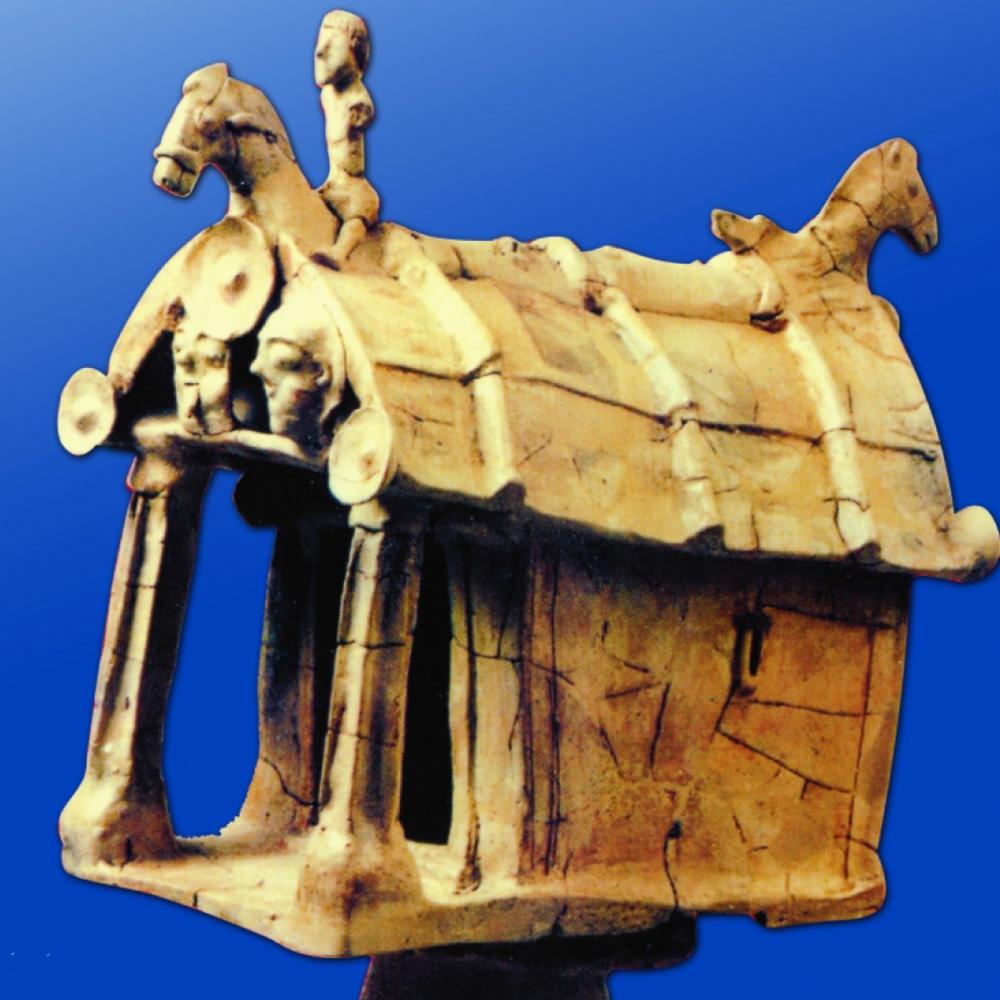

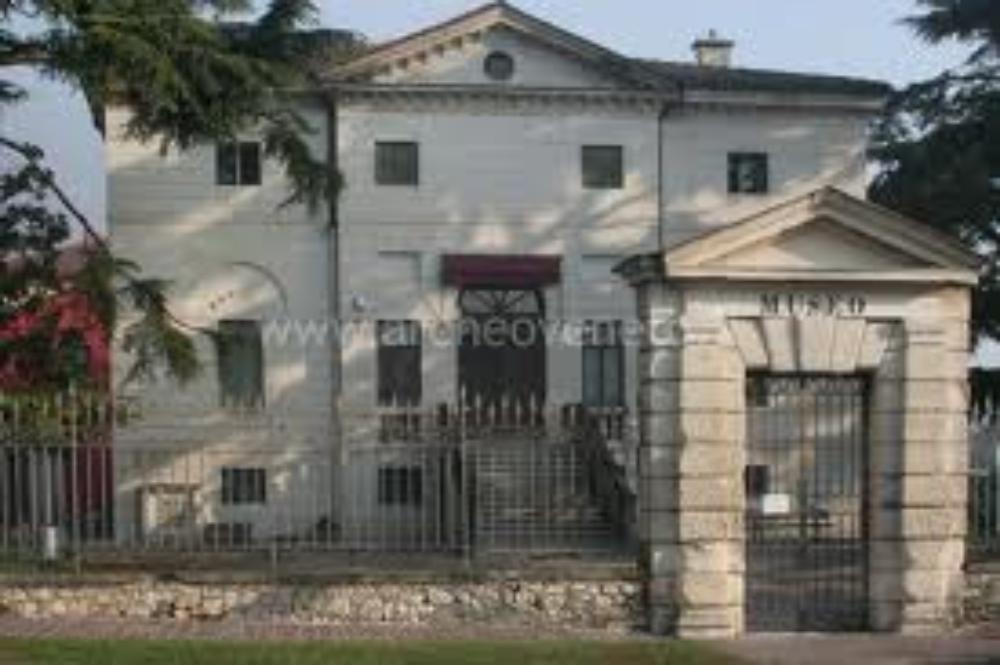

 was established in 1745 mainly thanks to the passionate collection efforts of Scipione Maffei, a distinguished Veronese scholar.)