


This extraordinary reality invites us to reflect on the immensity of this fascinating desert, which stretches over 9 million square kilometers, an immense expanse of arid and inhospitable lands that extends across much of the North Africa. Known for its rolling dunes and breathtaking landscapes, this desert is so vast that it even surpasses the total area of the contiguous United States. Prepare to be amazed by the epic scale and unique features of this vast desert region.
- The boundless expanse of the Sahara
- The borders of the Sahara
- The regions of the Sahara
- The extreme climate of the Sahara
- The scarce precipitation
- The hot winds and sandstorms
- The changing landscape in the Sahara Desert
- The biodiversity of the Sahara
- The flora of the Sahara
- The fauna of the Sahara
- The oases of the Sahara
- Life in the oases
- The most famous oases
- The natural attractions of the Sahara
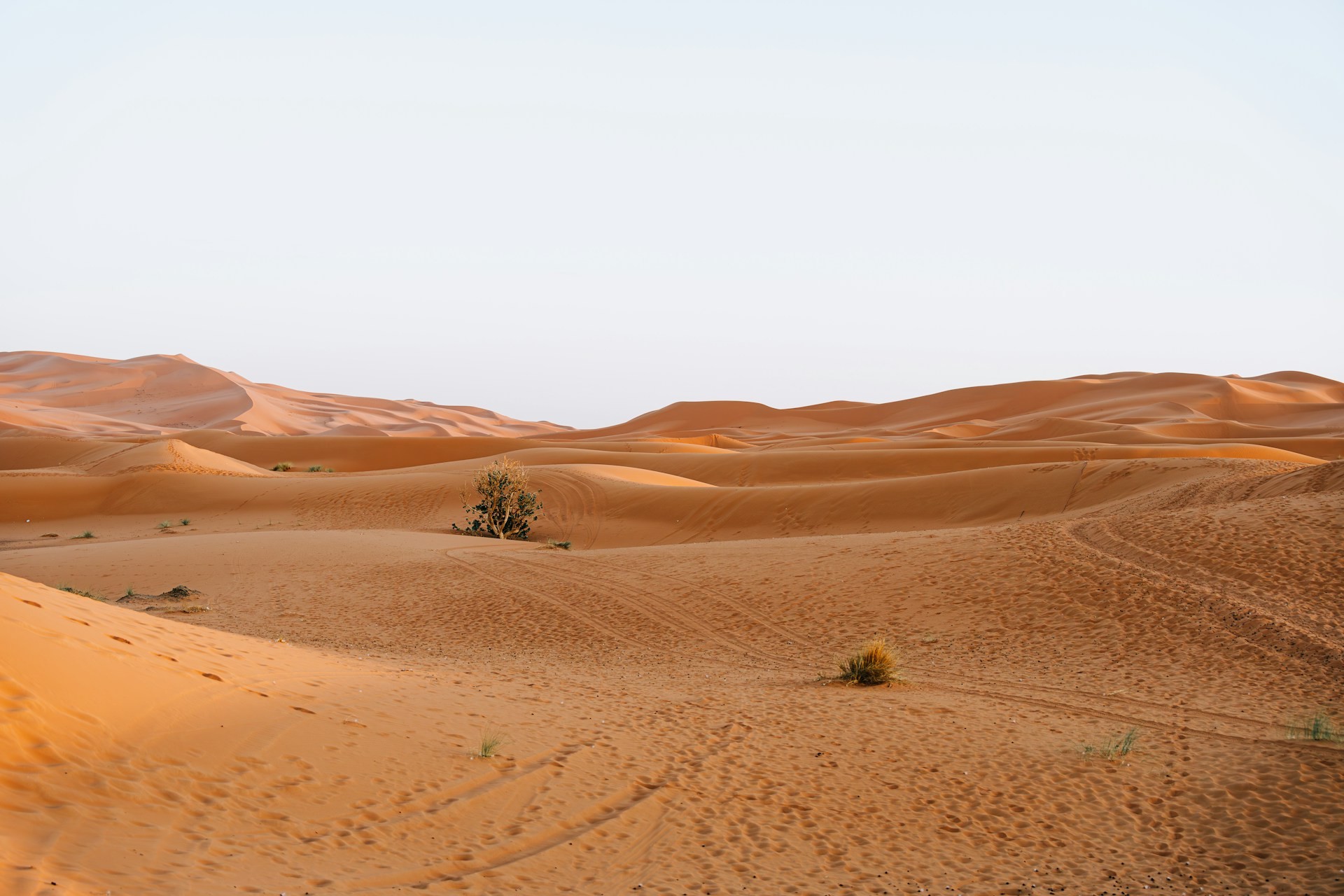
- The sand dunes
- The salt lakes
- The rocky mountains
- The civilizations of the Sahara
- Ancient cities
- Traces of the past
- Nomadic peoples
- Environmental challenges of the Sahara
- Desertification
- Extractive activities
- Unsustainable tourism
- The future of the Sahara
- Renewable energies
- Biodiversity conservation
- Sustainable tourism
- FAQ about the Sahara Desert
- 1. What is the size of the Sahara Desert?
- 2. Which countries does the Sahara cross?
- 3. What is the climate of the Sahara?
- 4. What are the main geographical features of the Sahara?
- 5. Are there populations living in the Sahara?
- 6. What animals live in the Sahara?
The boundless expanse of the Sahara
With an area of about 9.2 million square kilometers, the Sahara Desert is the largest hot desert in the world. To grasp its colossal size, consider that it covers a larger area than the contiguous United States, which spans around 8.1 million square kilometers. This vastness makes it one of the most impressive desert regions on the planet.
The borders of the Sahara
The Sahara stretches across eleven countries in North Africa, covering much of the territories of Algeria, Chad, Egypt, Libya, Mali, Mauritania, Morocco, Niger, Sudan, Tunisia, and Western Sahara. Its natural boundaries are defined by the Atlas Mountains to the west, the Mediterranean Sea to the north, the Nile Valley to the east, and the sub-Saharan savanna to the south.
The regions of the Sahara
Despite its vastness, the Sahara is not a uniform expanse. It can be divided into several distinct regions, each with its own geographic and climatic characteristics:
- The Western Sahara, which includes the deserts of Morocco and western Algeria, is characterized by reddish sand dunes and rocky plateaus.
- The Central Sahara, which extends across parts of Algeria, Niger, and Chad, is known for its vast gravel and rock plains.
- The Eastern Sahara, covering parts of Egypt, Libya, and Sudan, features large sandy depressions and mountain massifs.
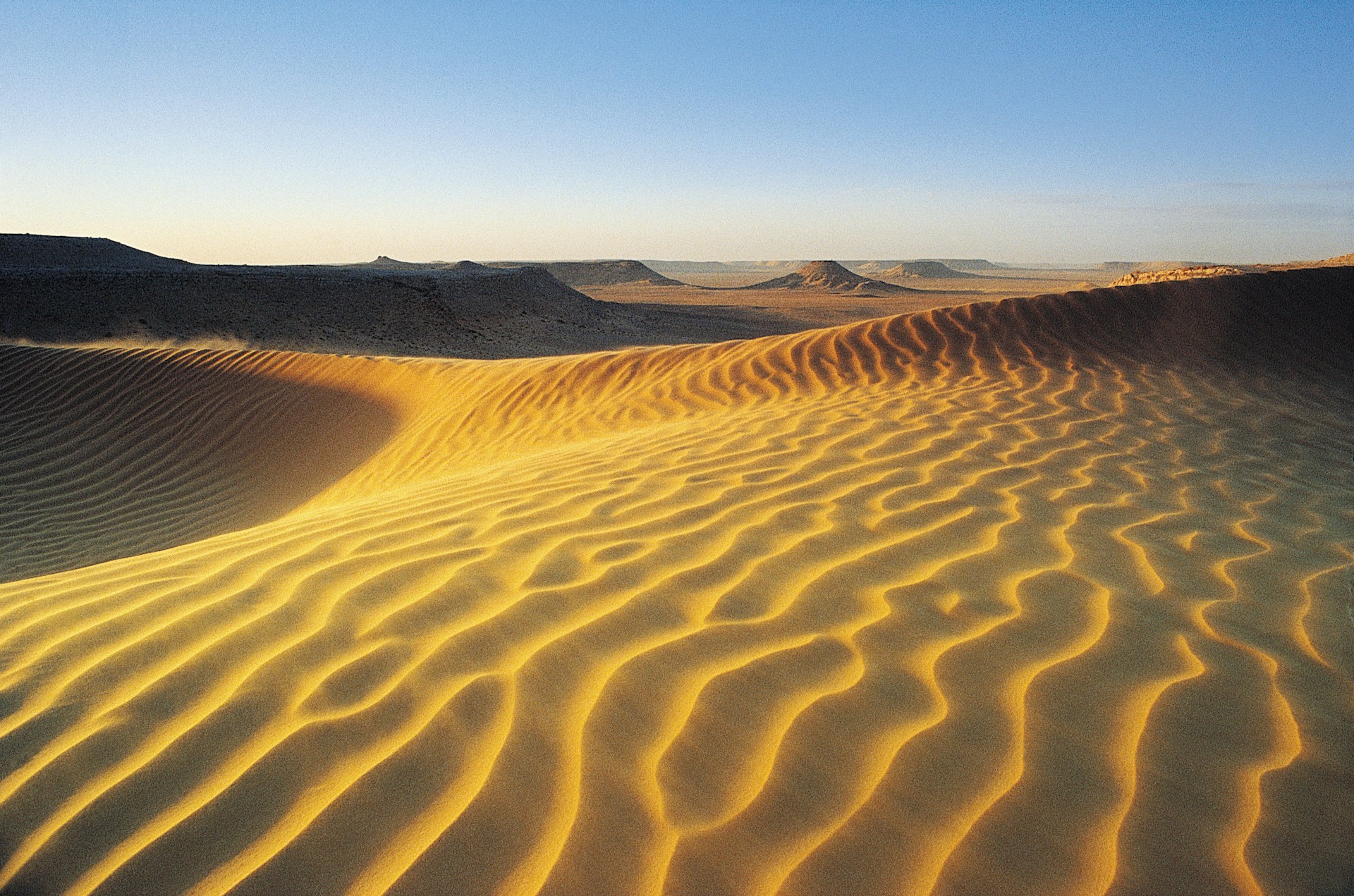
The extreme climate of the Sahara
The Sahara is known for its arid climate and extreme temperatures. During the day, temperatures can easily exceed 50°C, while at night they can fall below freezing. These extreme climate conditions make the Sahara a hostile environment for most forms of life.
The scarce precipitation
One of the most distinctive features of the Sahara’s climate is its scarcity of rainfall. Some desert regions can go years without rain. Average annual precipitation varies from just 20 mm in the driest areas to about 200 mm in the wetter zones, such as those near the Mediterranean.
The hot winds and sandstorms
The Sahara is also known for its hot winds and sandstorms. The most famous wind is the sirocco, a hot and dry wind that blows from the desert toward the Mediterranean, often carrying clouds of fine sand. These sandstorms can drastically reduce visibility and cause severe respiratory problems.
The changing landscape in the Sahara Desert
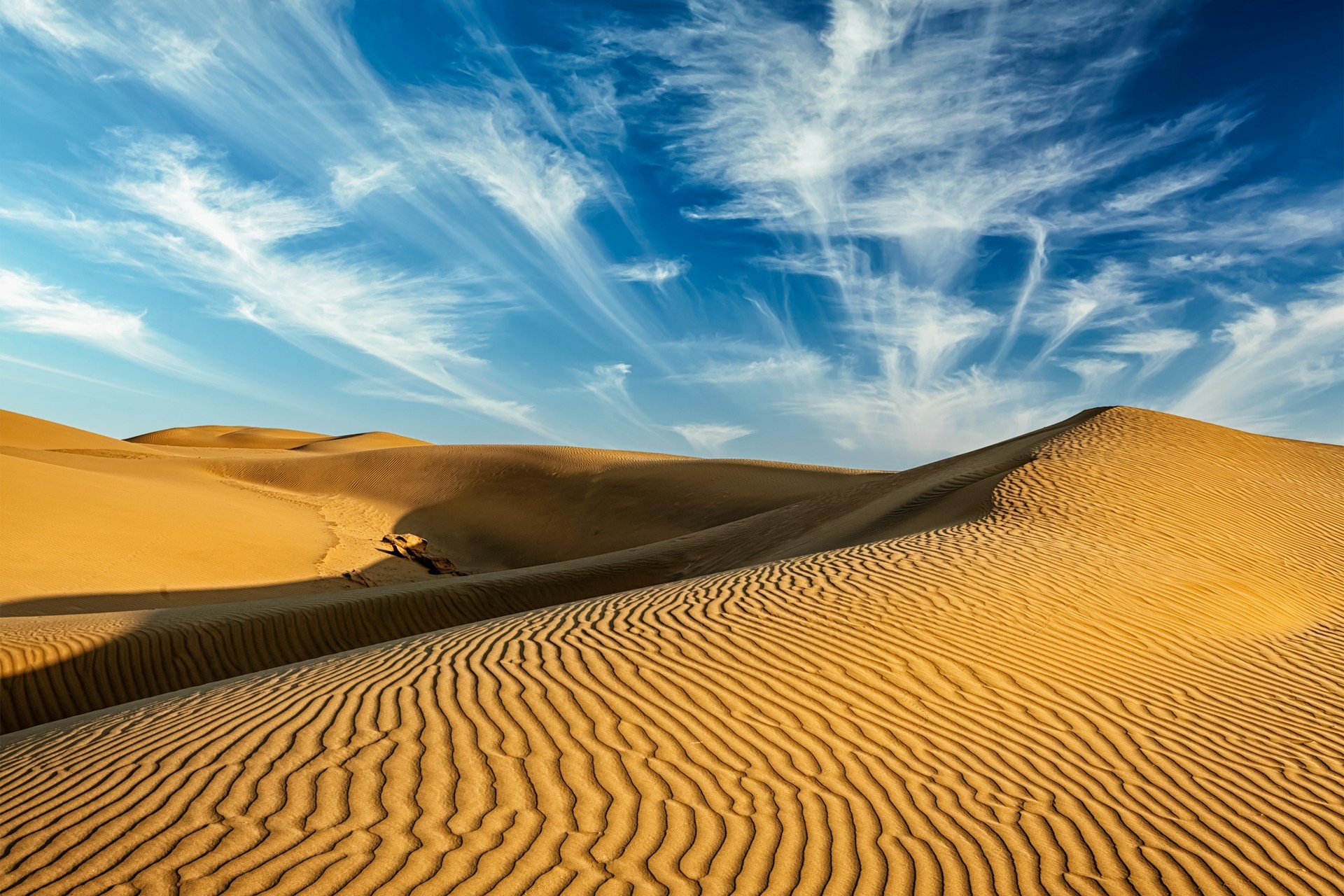
The Sahara Desert is a place of extraordinary beauty and variety, whose landscape is constantly changing.
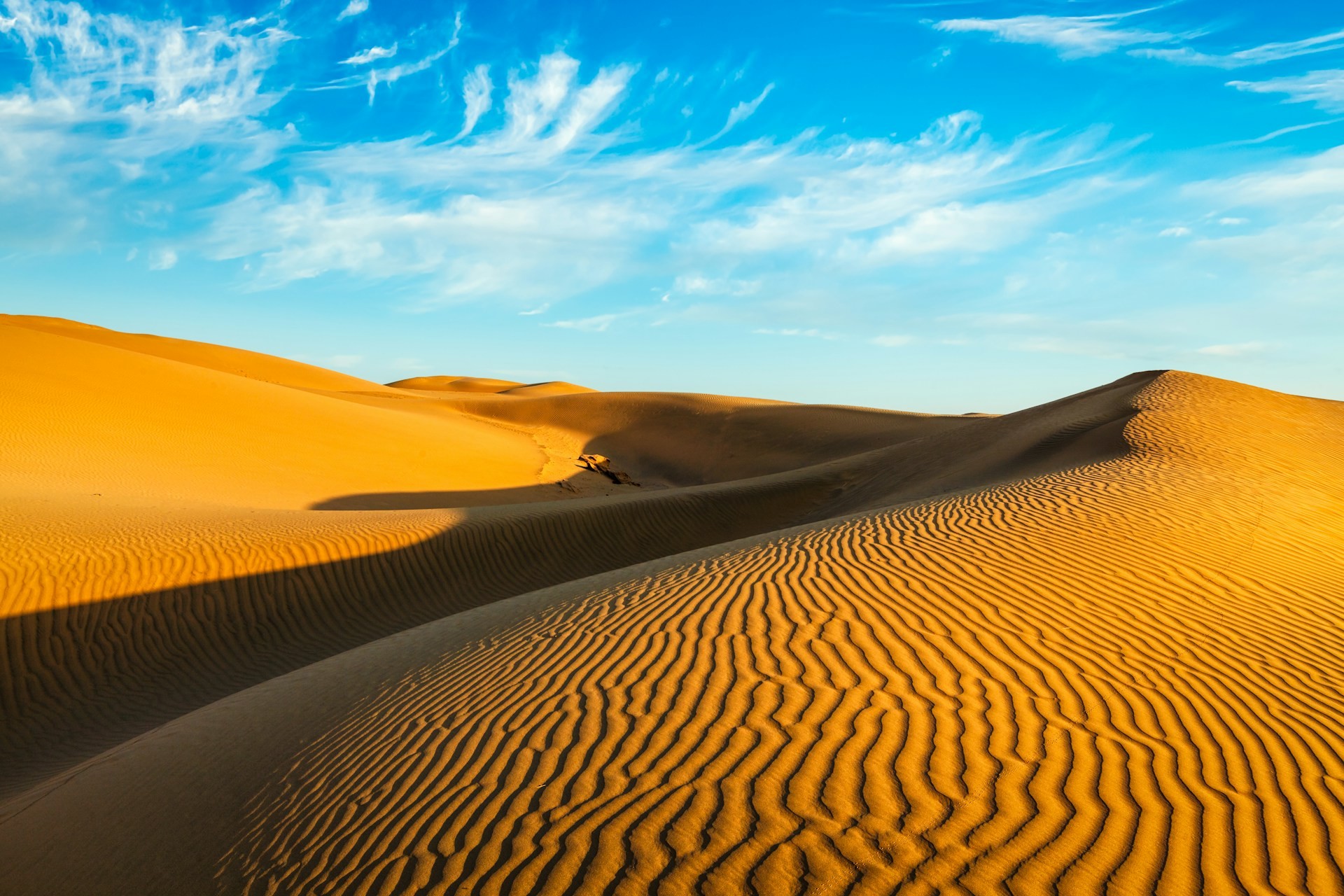
- Winds: the strong desert winds can shift sand dunes, causing their shape and position to change over time. This movement of dunes creates an ever-evolving landscape.
- Erosion: atmospheric conditions and erosion caused by wind and water can shape and transform the desert surface, leading to the formation of new geographic features.
- Climate: climate variations can influence vegetation and soil moisture, contributing to changes in the landscape. For example, during periods of rare rainfall, the oases can grow and then diminish depending on climate conditions.
- Human activity: human intervention, such as grazing or resource extraction, can also influence the Sahara’s landscape, leading to changes in local flora and fauna.
These elements make the Sahara not only a desert but a dynamic and fascinating ecosystem, where every day offers a new view and new discoveries.
The biodiversity of the Sahara
Despite the extreme conditions, the Sahara hosts a surprising variety of flora and fauna adapted to its arid environment. These species have developed unique strategies to survive in such a hostile environment.
The flora of the Sahara
The vegetation of the Sahara mainly consists of thorny shrubs, annual grasses, and succulent plants. Some of the most common species include acacia, tamarisk, and date palm. These plants survive thanks to their deep roots and their abilities to conserve water.
The fauna of the Sahara
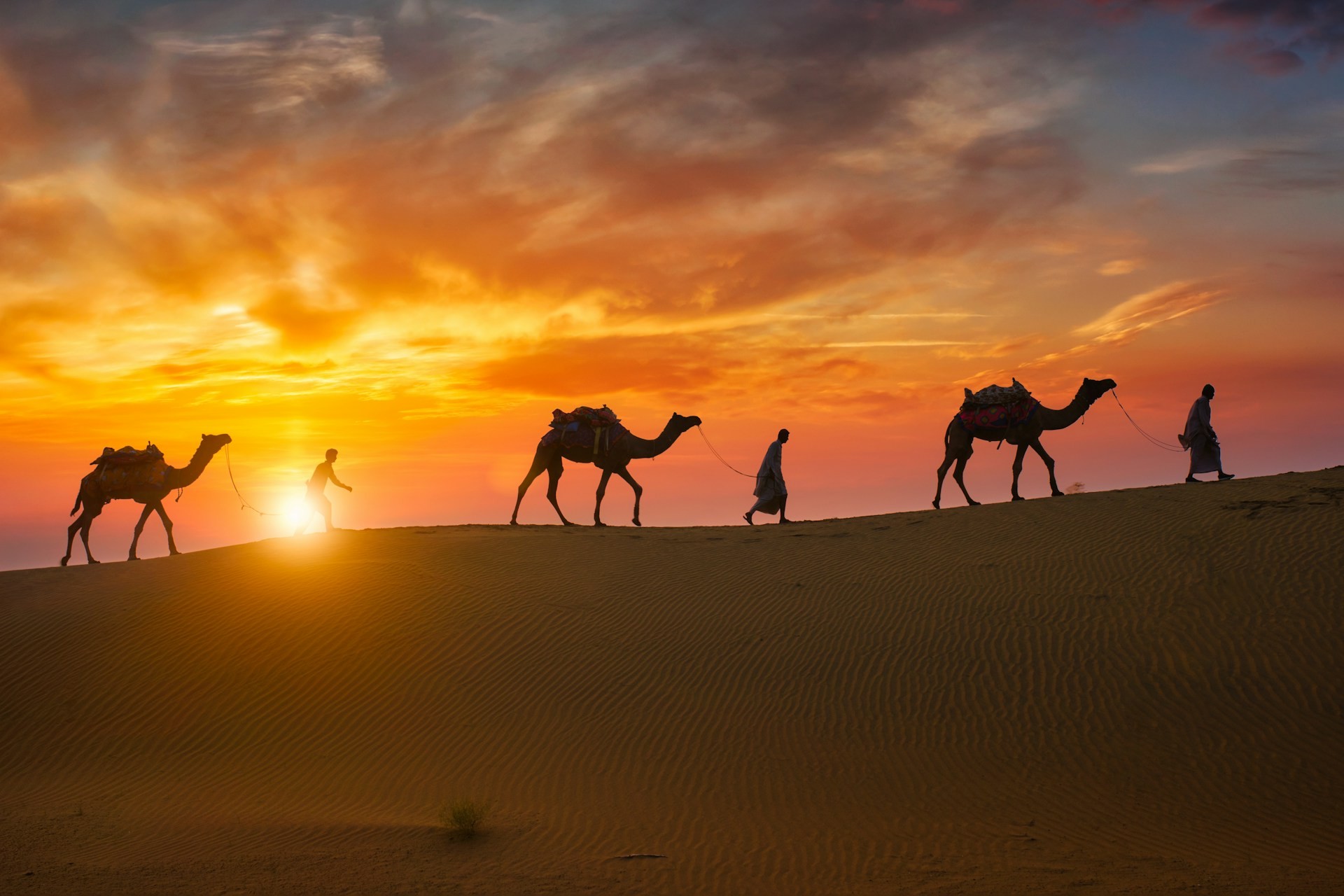
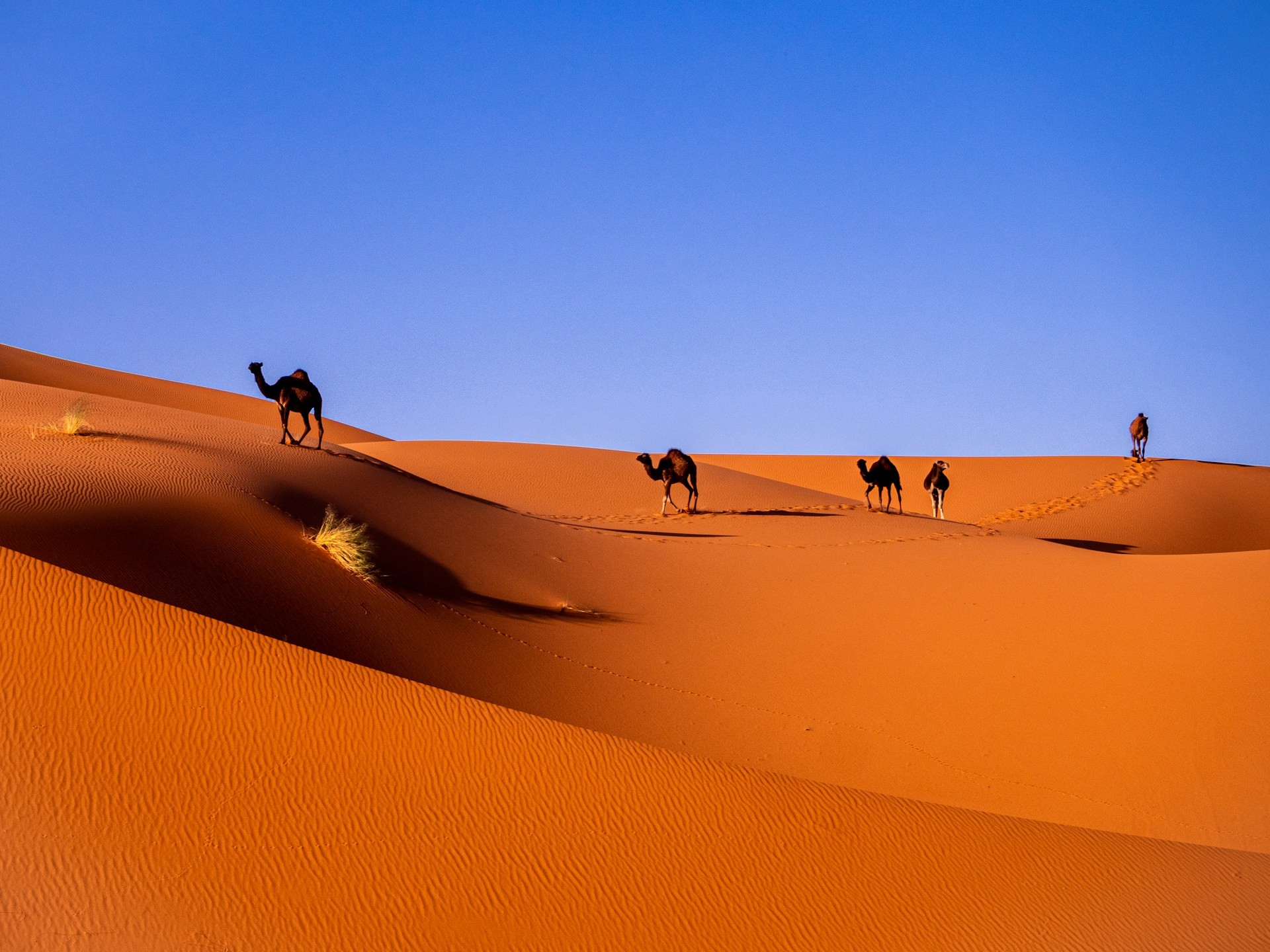
The Sahara is home to a wide range of animals adapted to desert life, including camels, fennec (the desert fox), gazelles, scorpions, and venomous snakes. These animals have developed unique strategies to cope with extreme temperatures and water scarcity, such as the ability to conserve water in their bodies or enter a state of dormancy during the hottest periods.
The oases of the Sahara
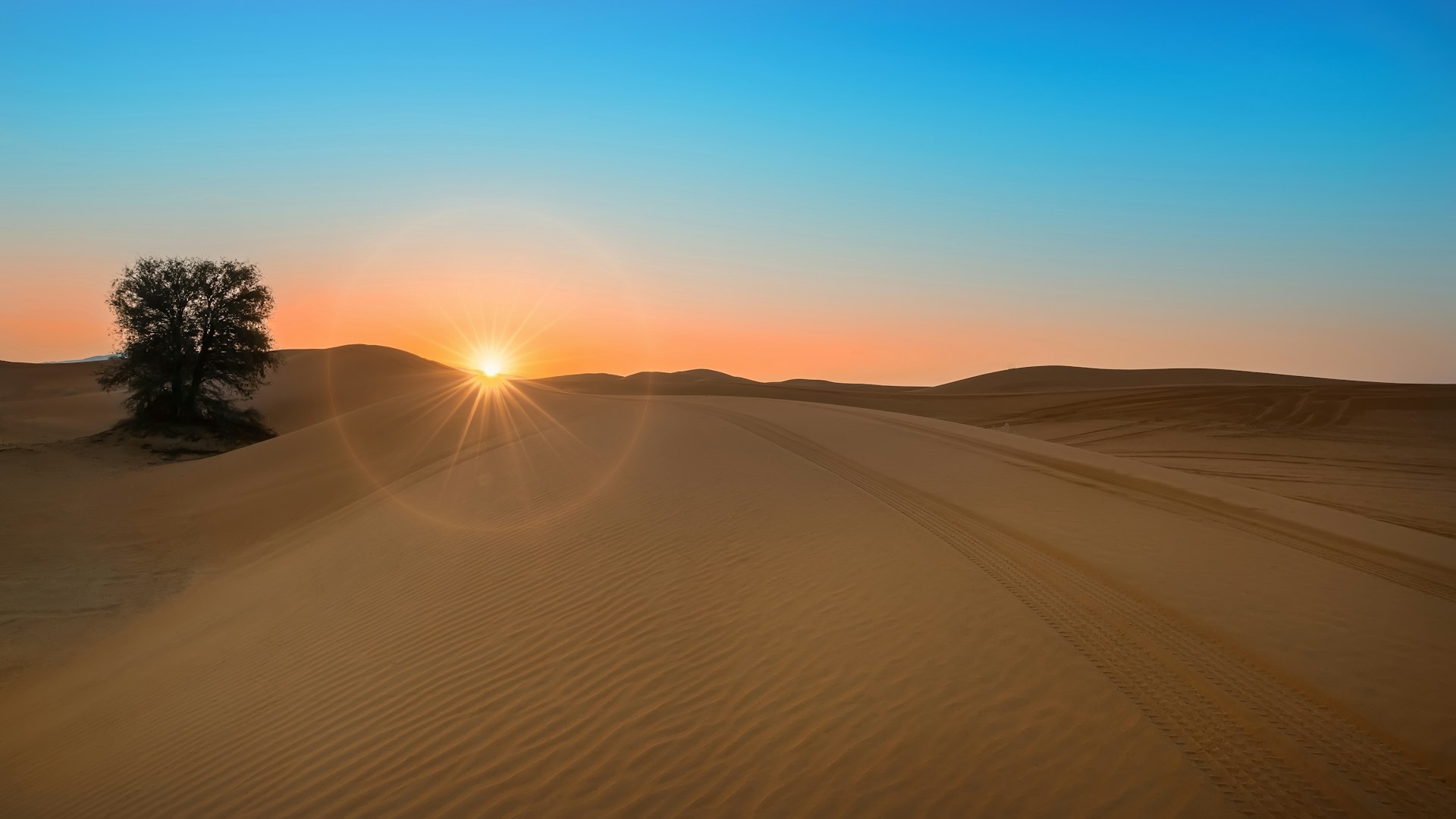
Despite its aridity, the Sahara hosts numerous oases, true islands of life amidst the desert. These oases form around underground water springs and provide refuge for humans and animals.
Life in the oases
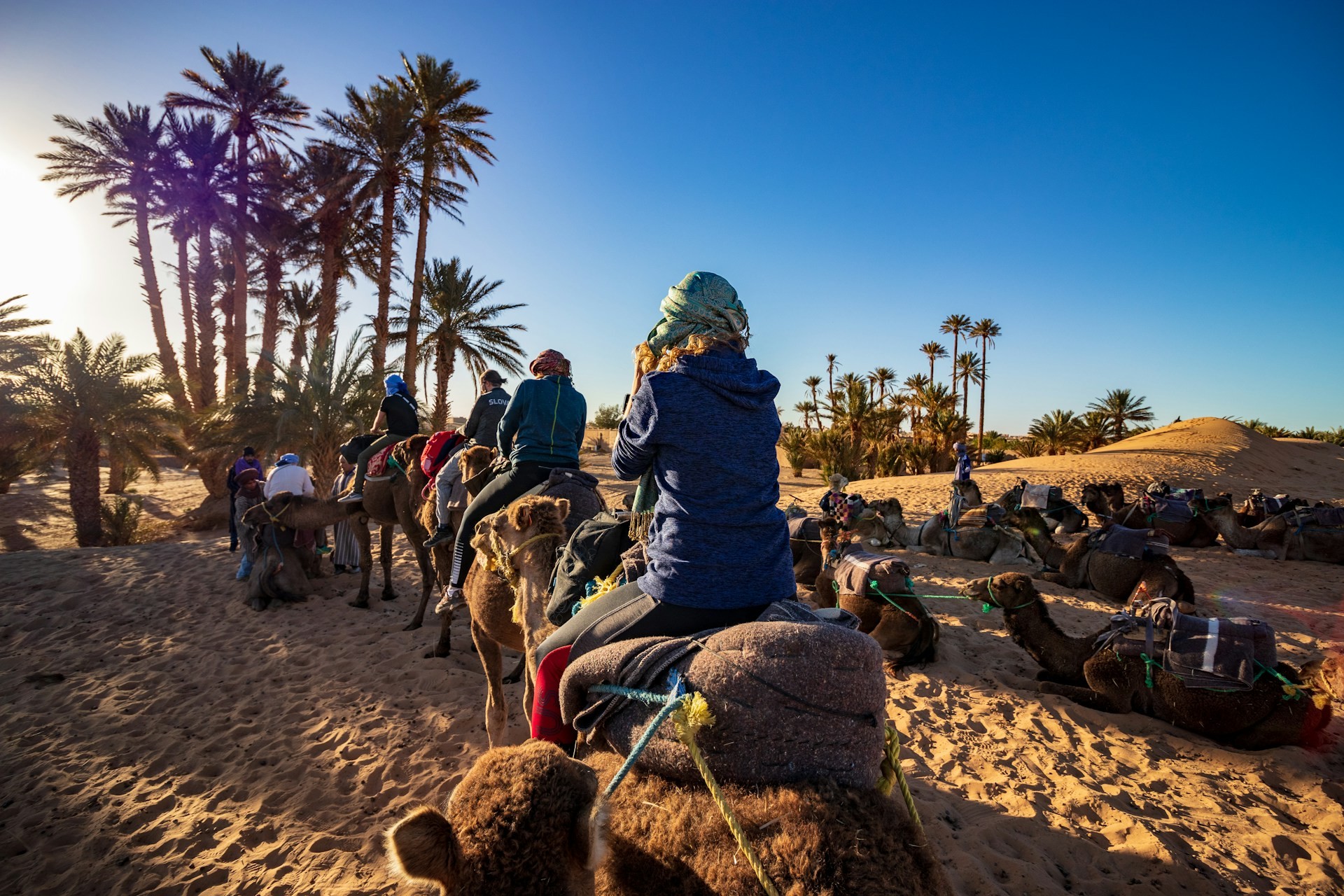
The Sahara oases have been inhabited for centuries by nomads and sedentary communities. These communities have developed unique agricultural techniques to cultivate dates, vegetables, and cereals in these fertile areas. Oases are also important rest stops for travelers and traders crossing the desert.
The most famous oases
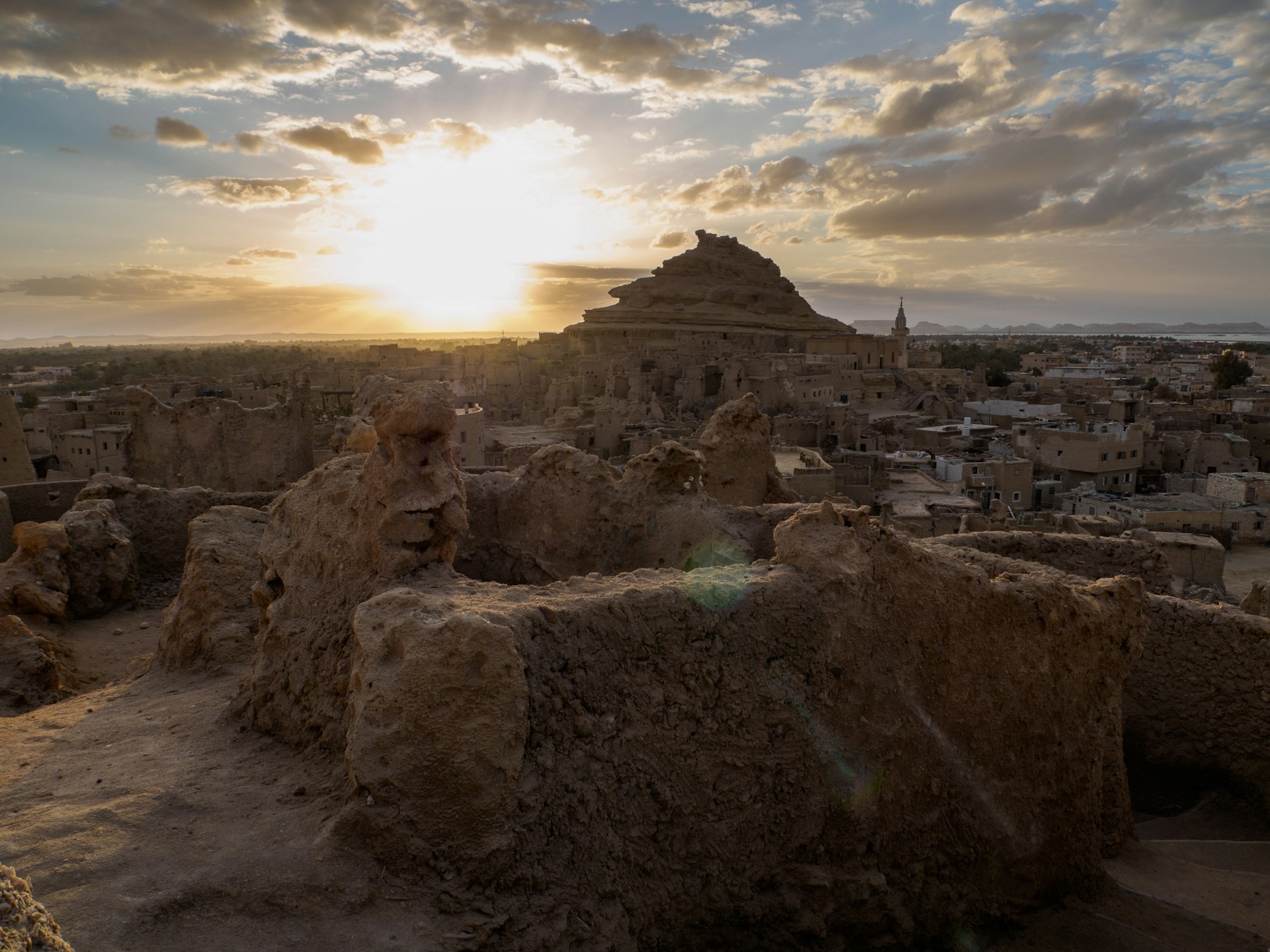
Some of the most famous oases in the Sahara include Siwa in Egypt, Tafilalt in Morocco e Ghadames in Libya. These oases are known not only for their natural beauty but also for their rich history and culture.
The natural attractions of the Sahara
Besides its epic size and biodiversity, the Sahara offers a wide range of natural attractions that draw visitors from all over the world.
The sand dunes
The rolling sand dunes are perhaps the most iconic image of the Sahara. Some of the most famous dunes are found in the Moroccan desert, such as Erg Chebbi and Erg Chigaga. These dunes can reach impressive heights, creating breathtaking landscapes.
The salt lakes
The Sahara also hosts many salt lakes, formed from ancient water basins now dried up. One of the most famous is Lake Shatt al-Jerid in Tunisia, known for its spectacular salt formations and vivid colors.
The rocky mountains
Despite its reputation as a flat desert, the Sahara also features some impressive mountain formations. The Hoggar Mountains in Algeria and the Ennedi Mountains in Chad are two examples of these spectacular rock formations.
The civilizations of the Sahara
The Sahara is not just an inhospitable desert, but also the cradle of ancient civilizations and cultures. For centuries, nomadic and sedentary populations have found ways to adapt to this extreme environment.
Ancient cities
The Sahara is dotted with ancient cities and settlements, some dating back thousands of years. Cities such as Timbuktu in Mali and Ghadames in Libya were once important commercial and cultural centers along caravan routes.
Traces of the past
In addition to ancient cities, the Sahara hosts numerous traces of the past, such as ancient rock art sites, tombs, and fortress ruins. These sites offer a fascinating glimpse into the lives of the civilizations that once inhabited this region.
Nomadic peoples
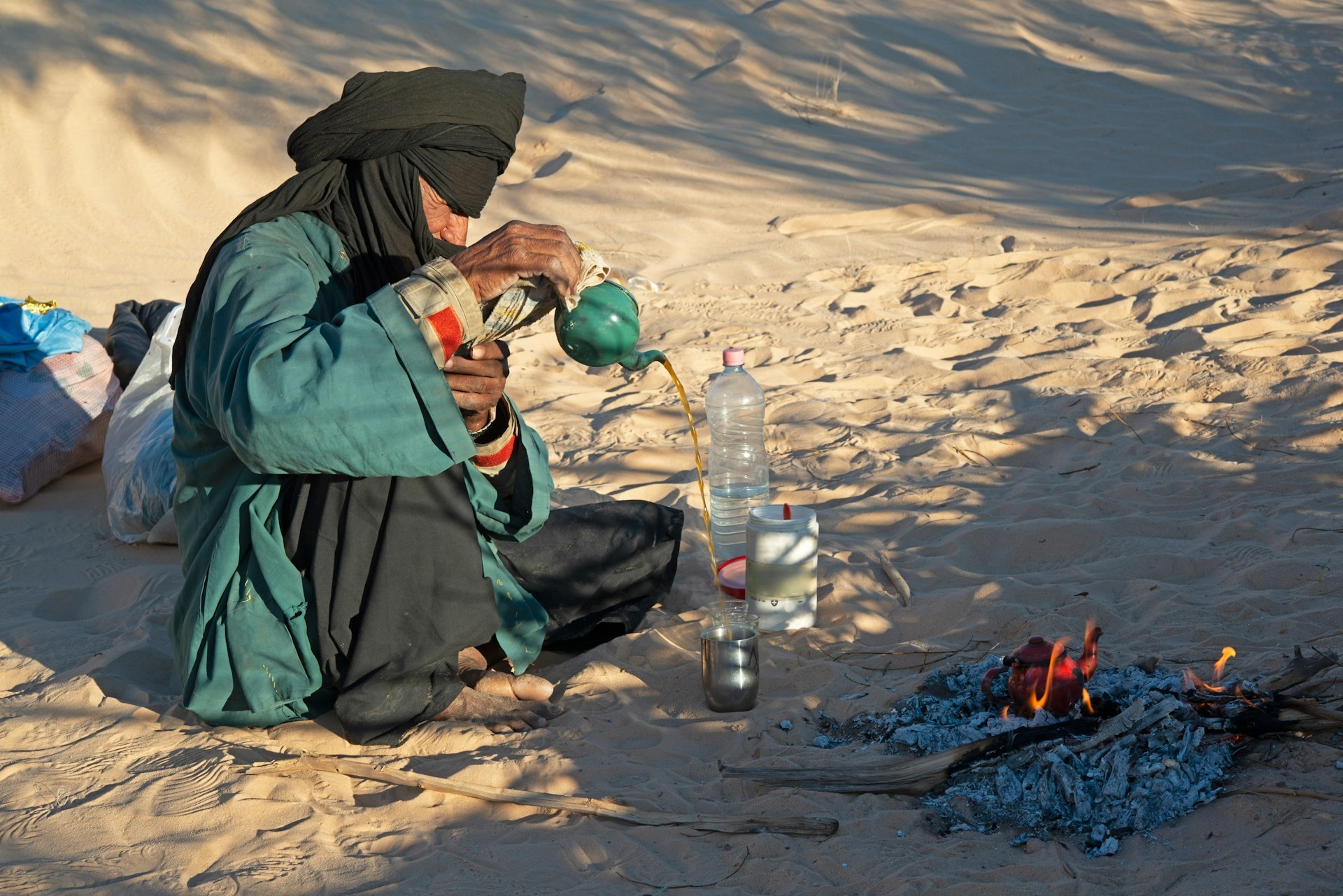
The nomadic peoples of the Sahara, such as the Tuareg and the Berbers, have developed a unique lifestyle based on pastoralism and trade along caravan routes. These peoples have a rich cultural tradition and an artistic heritage that includes jewelry, textiles, and architecture.
Environmental challenges of the Sahara
Despite its vastness and beauty, the Sahara faces numerous environmental challenges related to climate change and human activities.
Desertification
Desertification, that is the expansion of desert areas, is one of the main threats to the Sahara and surrounding regions. This phenomenon is caused by a combination of factors, such as climate change, overexploitation of natural resources, and unsustainable agricultural practices.
Extractive activities
The Sahara is rich in natural resources such as oil, natural gas, and minerals. However, extractive activities can have a negative impact on the environment, such as contamination of aquifers and destruction of natural habitats.
Unsustainable tourism
Tourism is an important source of income for many Sahara countries, but if not managed sustainably, it can cause damage to the environment and local communities. It is essential to promote responsible tourism that respects the environment and local cultures.
The future of the Sahara
Despite the challenges, the Sahara remains a fascinating and unique place, with enormous potential for sustainable development and conservation.
Renewable energies
The Sahara offers huge potential for the development of renewable energies, such as solar and wind power. Projects like the Desertec project aim to harness this resource to produce clean energy for Europe and North Africa.
Biodiversity conservation
Conserving the Sahara’s biodiversity is essential to preserve the unique ecosystems of this region. Initiatives such as establishing protected areas and promoting sustainable agricultural practices can help safeguard the desert’s flora and fauna.
Sustainable tourism
Sustainable tourism can represent an opportunity for local communities in the Sahara, allowing them to preserve their culture and traditions while benefiting from the economic advantages of tourism. Promoting authentic and environmentally respectful experiences is fundamental for a sustainable future of the Sahara.
FAQ about the Sahara Desert
1. What is the size of the Sahara Desert?
The Sahara extends over more than 9 million square kilometers, making it the largest hot desert in the world.
2. Which countries does the Sahara cross?
The Sahara stretches across several North African countries, including Algeria, Libya, Egypt, Mali, Niger, Chad, Sudan, Mauritania, and Burkina Faso.
3. What is the climate of the Sahara?
The Sahara has an arid and desert climate, characterized by high temperatures during the day and cool nights. Precipitation is rare and variable, with some areas receiving less than 25 mm of rain annually.
4. What are the main geographical features of the Sahara?
The Sahara is famous for its towering sand dunes, rocky plains, oases, salt lakes, and mountains. Among the best-known mountain ranges are the Ahaggar Massif and Mount Toubkal.
5. Are there populations living in the Sahara?
Yes, several nomadic populations, such as the Tuareg and Berbers, inhabit the Sahara regions, adapting to the desert’s extreme conditions.
6. What animals live in the Sahara?
Despite the difficult conditions, the Sahara hosts a variety of wildlife, including camels, jackals, desert foxes, snakes, and various bird species.
The Sahara Desert, therefore, is a place of epic proportions, breathtaking beauty, and rich cultural history. Despite its extreme conditions, this desert hosts a surprising biodiversity and offers numerous natural attractions that draw visitors from around the world. However, the Sahara also faces significant environmental challenges that require concerted efforts for conservation and sustainable development. Exploring and appreciating this vast desert region not only allows us to marvel at its natural wonders but also reminds us of the importance of protecting and preserving this unique treasure of our planet.