


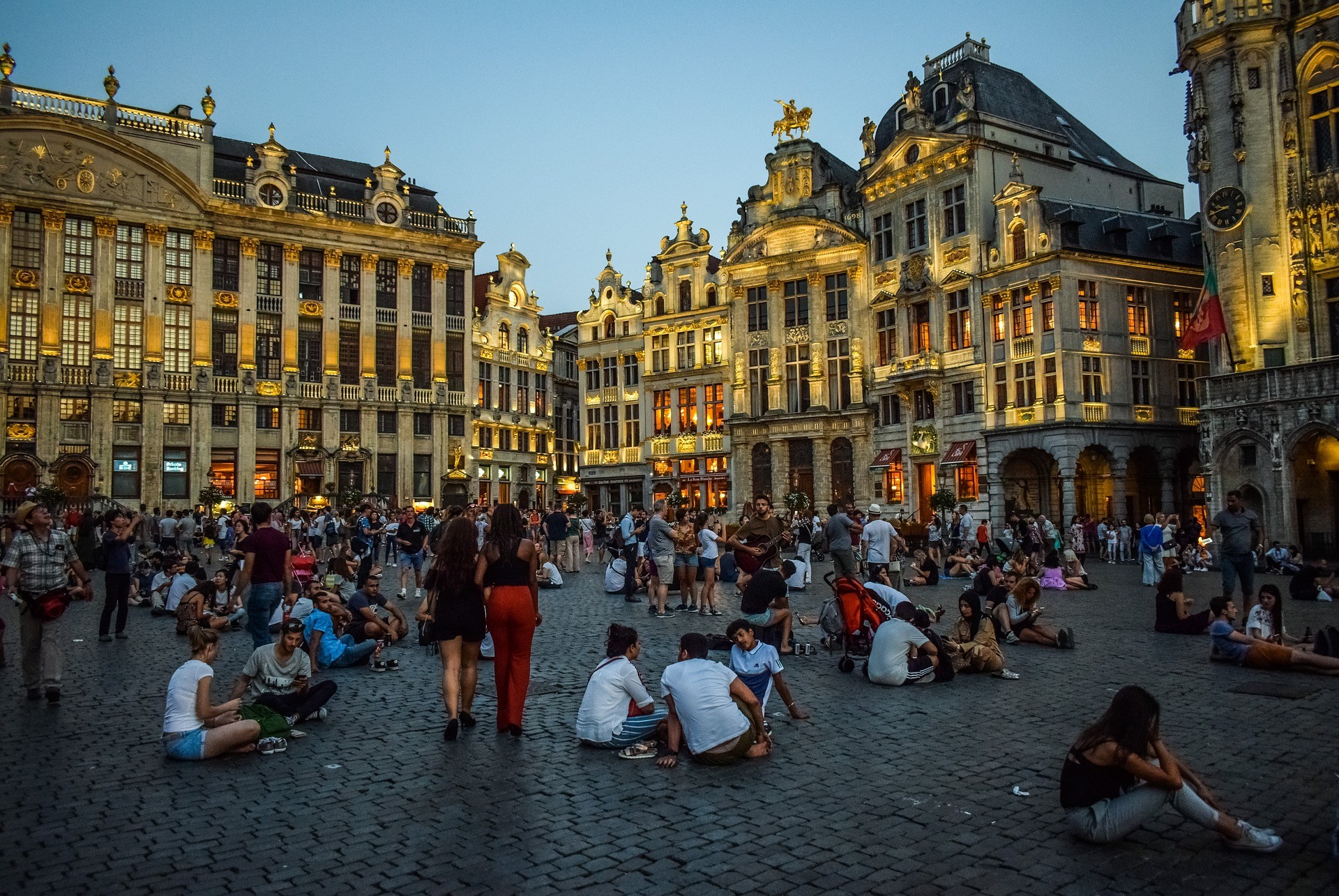


Visiting Brussels in 2 days is a perfect choice for those who want to enjoy a European weekend full of atmosphere, art, architecture, and good food. The capital of Belgium is often rushed through, as if it were just an institutional city or a stopover, but in reality it can surprise much more than you might imagine. In two days you can discover an elegant and lively historic center, scenic squares, neighborhoods with different characters, interesting museums, symbolic buildings, and a culinary tradition that goes far beyond chocolate and waffles.
- Brussels itinerary in 2 days
- Day 1: the historic heart of Brussels
- Grand Place
- Galeries Royales Saint-Hubert
- Manneken Pis
- A break in the center: waffles, fries, and chocolate
- Mont des Arts
- Sablon and end of day
- Day 2: Monumental, modern, and institutional Brussels
- Atomium
- Cinquantenaire Park
- European Quarter
- Last hours in Brussels: beer, chocolate, and atmosphere
- What to eat in Brussels in 2 days
- When to visit Brussels
- Practical tips to organize Brussels in 2 days
- Where to sleep in Brussels
- FAQ about Brussels in 2 days
- Are two days enough to visit Brussels?
- Is Brussels good to visit on foot?
- What is the best time to go to Brussels?
- What are the must-see attractions for a weekend in Brussels?
- Is Brussels suitable for a weekend?
For those with little time: a practical way to immediately orient yourself in Brussels and quickly reach the main attractions is to use the tourist bus hop-on hop-off. The route includes numerous stops spread across the most important points in the city, from the Grand Place to the Atomium, allowing you to get on and off freely along the itinerary. This way you can visit Brussels at your own pace or stay on board for a complete panoramic tour of the city. Book here your ticket for the Brussels hop-on hop-off bus
Brussels has a virtue that makes it ideal for a short itinerary: many of its main attractions are relatively close to each other, especially in the center, and this allows you to build a balanced route without the feeling of rushing from one place to another. Alongside the great city symbols, like the Grand Place and the Atomium, the city offers more discreet but charming glimpses, historic galleries, refined neighborhoods, and corners where you can stop and calmly observe local life. The Grand-Place is among the most representative places in the city and is recognized as a UNESCO site, while the Atomium, built for the 1958 Expo, remains the great modern symbol of Brussels.
This itinerary helps you organize Brussels in 48 hours in a practical way, alternating monuments, walks, gastronomic breaks, and neighborhoods to experience without hurry. If before leaving you also want a broader overview of the destination, you can read the main guide: What to see in Brussels.
Brussels itinerary in 2 days
To properly visit the Belgian capital in a weekend, it is advisable to divide the trip into two very clear days. The first day is dedicated to the historic heart of the city, its most famous icons, and the atmosphere of the center. The second day opens up to the more monumental and modern Brussels, without giving up pleasant neighborhoods and tasty stops.
- Day 1: Grand Place, Galeries Royales Saint-Hubert, Manneken Pis, historic center, Mont des Arts, Sablon
- Day 2: Atomium, Heysel area, Cinquantenaire Park, European Quarter, final walk and typical dinner
The general advice is simple: the historic center is easily walkable, while for more distant areas, such as the Atomium, you can use public transport and optimize your time without stress. In this sense, Brussels lends itself very well to a short but full trip.

Tip: if you love Belgian beer, one of the most interesting experiences to do in Brussels is to take a guided tour among historic pubs and local breweries. During the tour, you can taste some of the best Belgian beers and discover the history and traditions that make Belgium’s brewing culture famous worldwide. Book the guided beer tour in Brussels
Day 1: the historic heart of Brussels
The first day is the one that really gets you into the soul of the city. It is the most scenic day, the one where Brussels presents itself with its historic buildings, golden façades, cobblestone streets, chocolate shop windows, and its curious balance between elegance and irony. Dedicating it to the historic center is the best choice because many of the best-known attractions are concentrated here and because it is from here that you begin to understand the character of the Belgian capital.
Grand Place
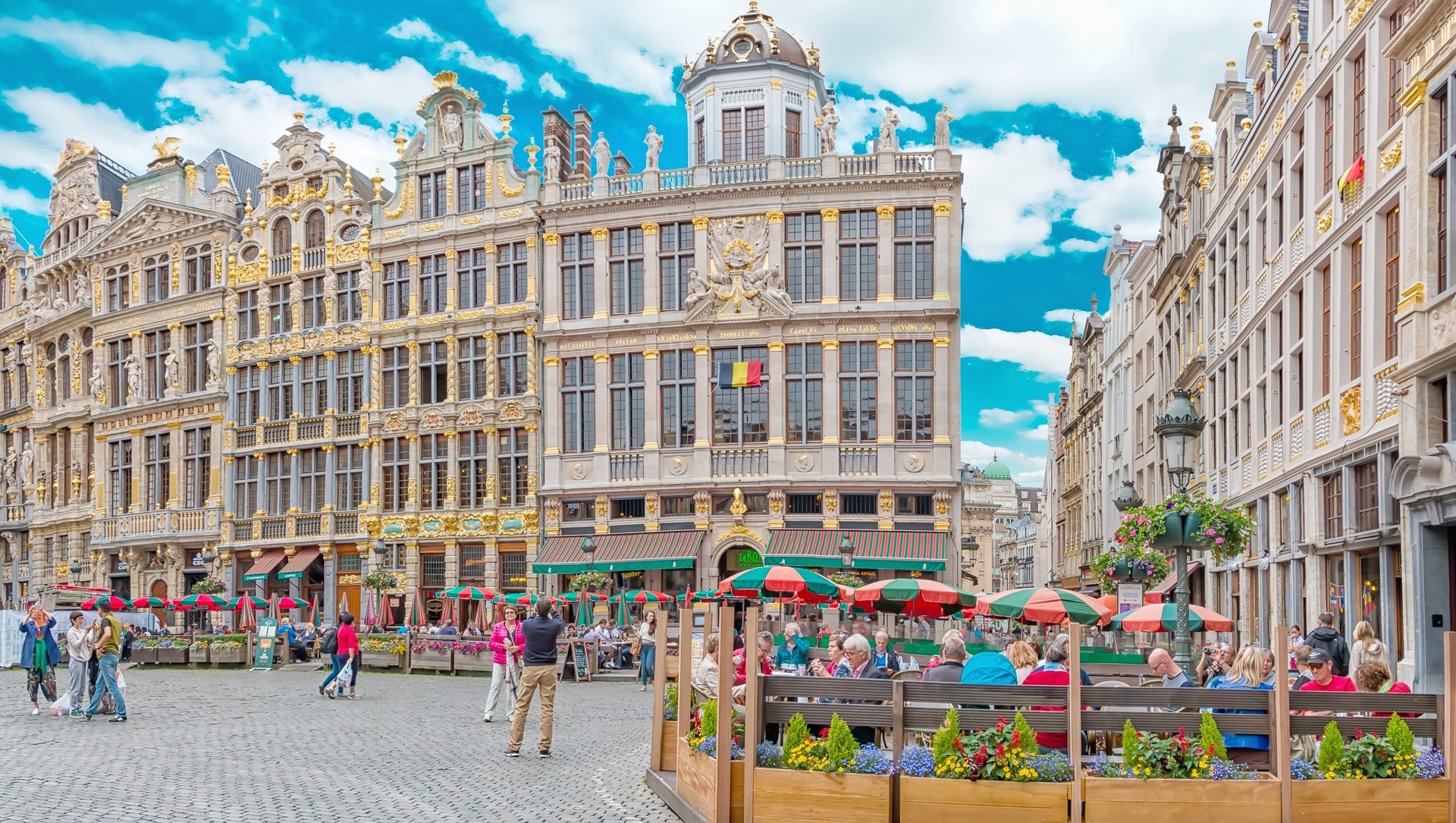
The starting point can only be the Grand Place, the monumental living room of Brussels and one of the most beautiful urban spaces in Europe. It is not just a square: it is a sight that leaves a lasting impression. The buildings surrounding it, with their decorations, ornate facades and the profile of the town hall, create an ensemble of extraordinary harmony. The site has been included in the UNESCO World Heritage for its exceptional historical and architectural value.
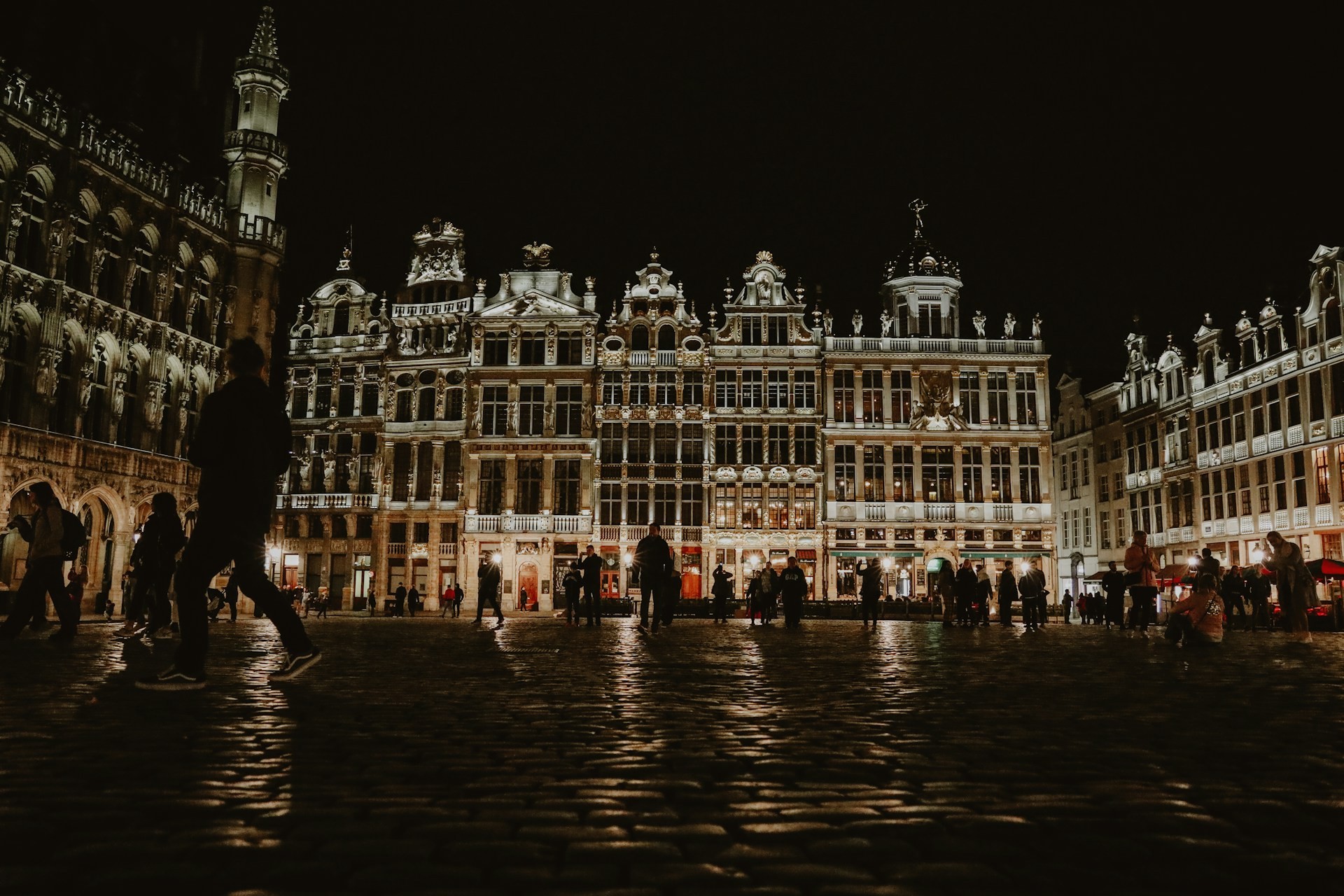
The best thing to do here is not to rush. Stop in the center of the square, observe the town hall, watch how the colors of the stone and gilding change with the daylight, then take the time to return in the evening as well. Brussels indeed offers one of its most successful moments in the Grand Place when the light fades and the artificial lighting highlights the details of the buildings. If your weekend is well organized, you can see it twice: once in the morning as the opening of the itinerary, and once after dinner when it becomes even more theatrical.
Here you immediately understand one of the city’s most interesting features: Brussels does not need to impress with excessive size but works on proportions, elegance, and the density of details. It is also the right place to start orienting yourself, because many other central stops are easily reachable from the streets starting from the square.
Galeries Royales Saint-Hubert
A few minutes from the Grand Place you enter a cozier but equally charming Brussels, that of the Galeries Royales Saint-Hubert. These covered galleries are among the most elegant in the city and represent a perfect pause in the rhythm of the itinerary. Walking here means crossing a place where commercial function meets historic atmosphere: refined shop windows, cafes, boutiques, bookstores, and chocolate shops create an orderly, bright, and very pleasant environment.
It is not just a “see” stop, but a space to live in. Here you can slow down, enjoy a coffee, choose some artisanal chocolate, or simply savor a more elegant break compared to the outside streets. The galleries are also an excellent choice if you find a gray or rainy day, a detail that is by no means irrelevant in a Northern European city like Brussels.
From a narrative point of view, this stop works well within the itinerary because it shows a different face of the city: less monumental than the Grand Place, but more intimate and bourgeois. Here the weekend starts to take on a more comprehensive tone, made not only of iconic attractions but also atmospheres.
Manneken Pis
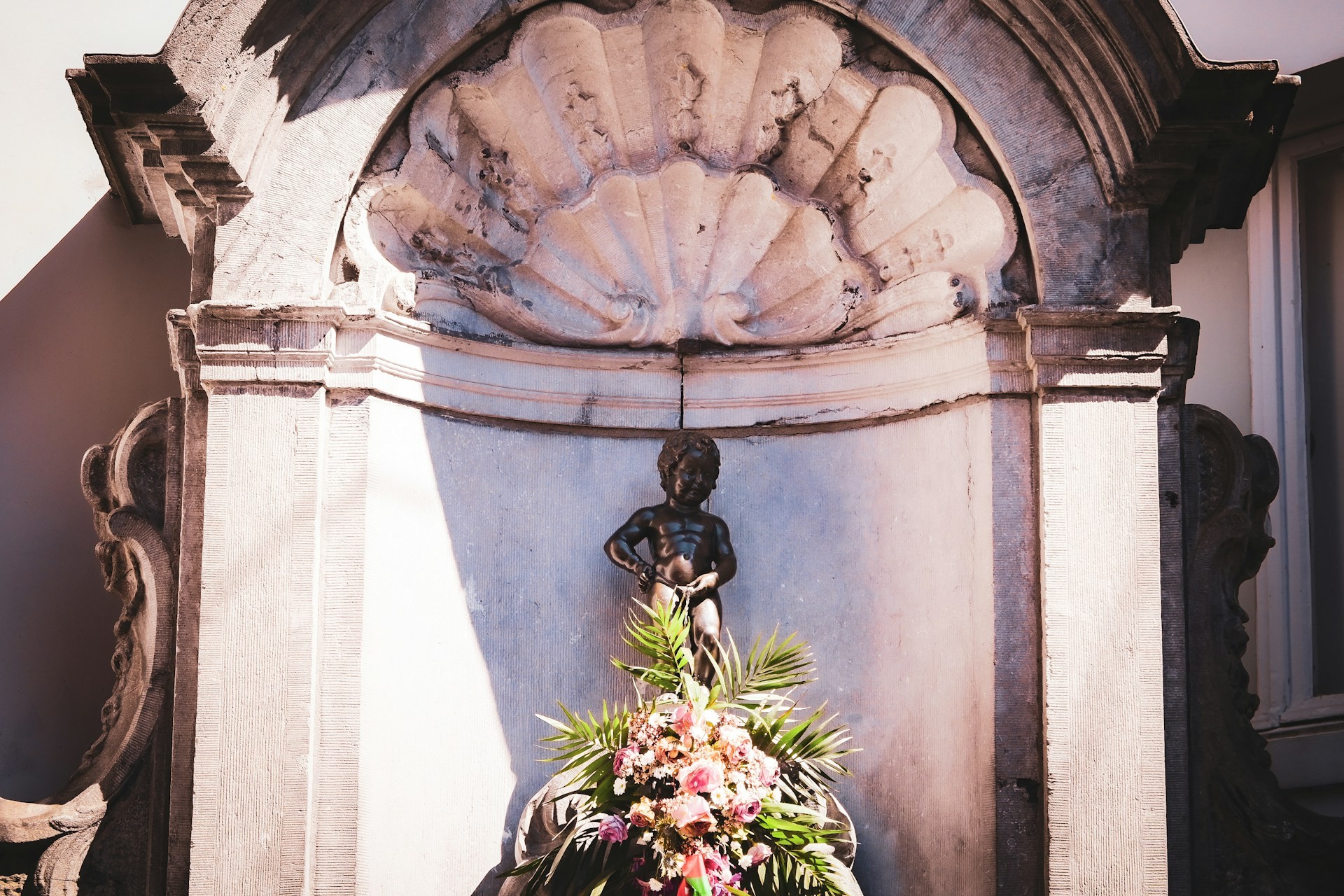
From here you can continue towards the Manneken Pis, one of the most famous symbols of Brussels. Yes, it is small. Yes, many visitors are surprised by its small size. But that is part of its charm. It is not an imposing or spectacular statue in the classical sense: it is rather an emblem of the city’s spirit, of its irony, its ability to play with symbols and not take itself too seriously.
The advice, therefore, is not to expect a monument that “fills” the gaze, but a curious and deeply identifying stop. The Manneken Pis makes sense especially within the city’s narrative: it is one of those places that must be seen because they belong to Brussels’ language, its most popular imagery, and its collective memory.
In the surrounding streets you also find a lively historic center, full of bars, shops, signs, and small gastronomic temptations. It is an area where it is worth walking without rigidity, letting yourself be guided also by instinct. Sometimes, in cities like this, the real value is not only the single attraction but the urban fabric that surrounds it.
A break in the center: waffles, fries, and chocolate
Mid-morning or around lunchtime is the right moment to start the gastronomic journey as well. Brussels cannot be properly visited without allowing at least one break dedicated to its most famous flavors. The center is full of places where you can taste waffles, Belgian fries served in cones, pralines, and bars of chocolate. The tradition of chocolate and beer are an important part of Belgium’s identity, and the official tourism of the city also highly values this gastronomic and cultural heritage.
My advice, in a two-day itinerary, is not to turn lunch into a too long break. It is better to choose something quick but typical, so as to maintain the pace of the route without giving up taste. Brussels lends itself well to this type of experience: even a short stop, if made in the right places, can leave a strong memory.
Mont des Arts
In the afternoon reach the Mont des Arts, one of the most pleasant places to have a different perspective on the city. More than a simple attraction, it is a breath spot. After the dense fabric of the historic center streets, arriving here means opening your gaze, observing Brussels from above and finding a visual balance between architecture, gardens, and the urban skyline.
This stop works very well in a 2-day itinerary because it breaks the rhythm of the center without taking you too far. You can stop a few minutes, take photos, enjoy the view, and then decide whether to continue to some museums in the area or simply continue the walk. If you prefer a lighter and panoramic cut, Mont des Arts is perfect even without adding other internal visits.
If during your trip you want to concentrate the historic center even faster, you can complement this article with the route already present on the site: One-day itinerary in Brussels.
Sablon and end of day
To conclude the first day, the Sablon area is an excellent choice. It is one of the most elegant neighborhoods of Brussels, known for its refined tone, boutiques, chocolatiers, and the feeling of calm it offers compared to other more central and bustling areas. Here the weekend changes tone: from the monumental impact of the Grand Place to a more sophisticated dimension, perfect for a slow late afternoon or a dinner in a pleasant setting.
If you want to give the day a romantic or simply more relaxed finish, the Sablon is the right closure. You can stop for a Belgian beer, choose a refined place, or turn the neighborhood into an evening stroll before returning to the hotel. Then, if you still have energy, return to the Grand Place after dinner: seeing it at night is one of the most beautiful experiences of the weekend.
Day 2: Monumental, modern, and institutional Brussels
The second day serves to complete the image of the city. If the first day showed you the historic, compact, and theatrical Brussels, the second lets you meet the more symbolic, more open, and partly more contemporary city. It is the perfect day to move slightly outside the center, see the Atomium, and then return towards some areas that tell the story of the Belgian capital’s international role.
Atomium
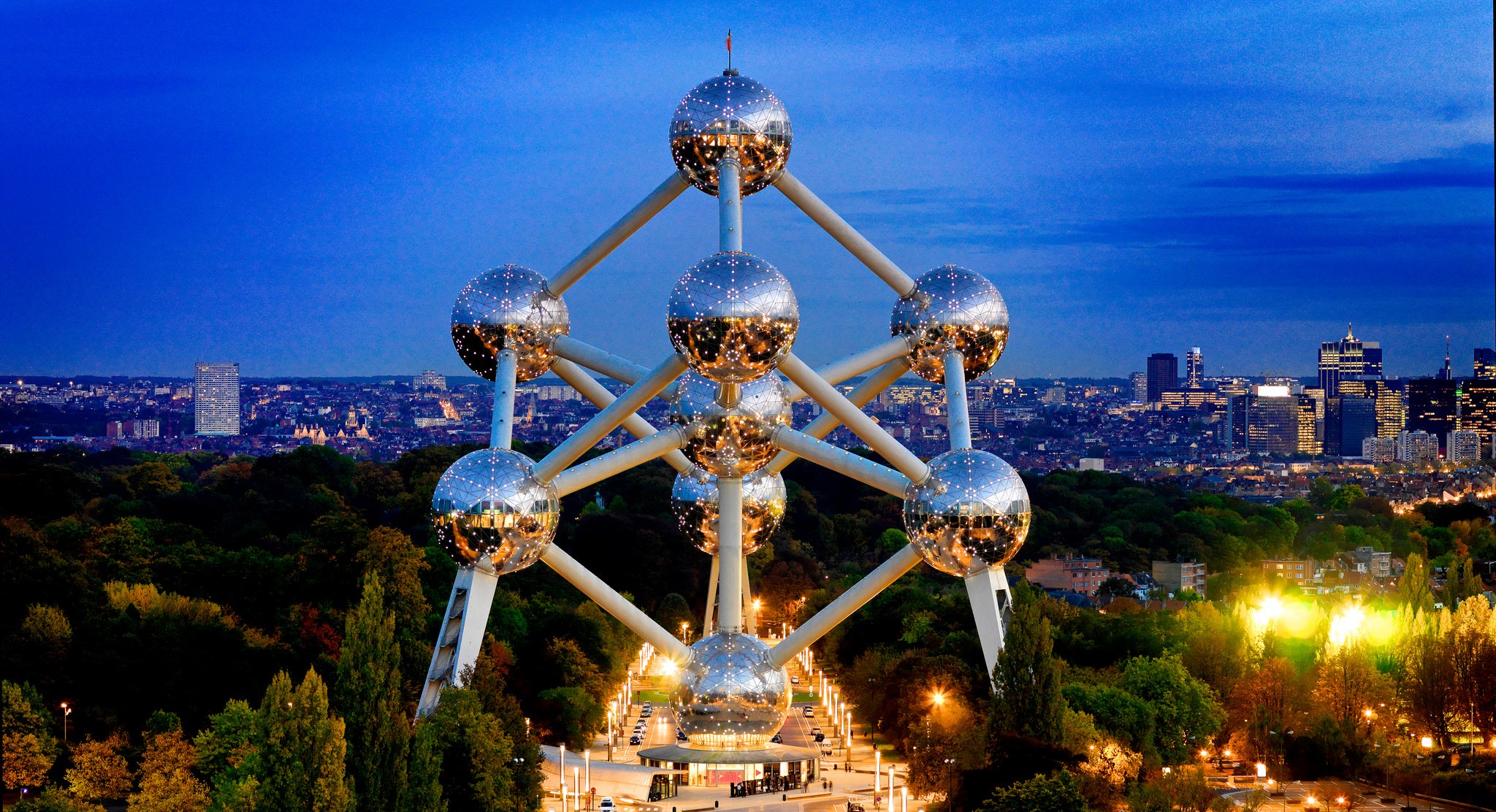
The morning of the second day starts with the Atomium, one of the absolute symbols of Brussels. Born as an emblematic building of the 1958 Expo, it represents an elemental iron cell magnified on a monumental scale and has become a true city icon over time. The official site and the city’s tourism present it as one of the most recognizable emblems of Brussels, halfway between architecture, sculpture, and futuristic vision.
The Atomium is not just an interesting structure to photograph. It is a stop that truly changes the tone of the trip because it takes the itinerary out of the more traditional dimension of the center and introduces a different Brussels, more experimental and more linked to the twentieth century. Even those who do not particularly love contemporary architecture often end up being impressed here because the building has an immediate visual impact and a very clear identity.
If you want to go up and avoid wasting time, you can also include the affiliate link within the text:
Tickets for the Atomium with priority access
Once in the area, also consider whether to stop around for a wider walk. This part of the city has a different atmosphere compared to the historic center and helps to understand how Brussels can change face from one neighborhood to another.
Cinquantenaire Park
After the Atomium, you can head towards the Cinquantenaire Park, one of the most famous and scenic green spaces in the city. Here, the feeling is of a more orderly, spacious, almost solemn Brussels. The monumental arch dominates the landscape and gives the area a celebratory character that distinctly contrasts with the intimacy of the historic center.
It is a stop that works well both for those who love monumental architecture and for those who, during a city weekend, also seek a more airy moment. If the weather is good, a walk here is very pleasant and allows you to slow down the pace of the itinerary. Moreover, the area also hosts interesting museums, which makes it flexible: you can limit it to an outdoor stop or dedicate more time to it, depending on your travel style.
In an article like this, the Cinquantenaire Park also has an important editorial role: it broadens the story of Brussels and prevents the itinerary from being closed to only the most photographed icons.
European Quarter
In the afternoon, it’s worth dedicating a few hours to the European Quarter, because Brussels is not only a city of art and gastronomy but also one of the most important political centers in Europe. Walking in this area means encountering a different face of the capital: more institutional, more contemporary, but not without interest.
Here the trip takes a different turn. After churches, historic facades, and galleries, you find yourself in front of a city that exerts a strong international role, hosting institutions, offices, and a daily life made up also of diplomacy, work, and European decisions. It is not necessarily the most “romantic” district of Brussels, but it is certainly one of the most significant to understand its real identity.
If you love observing cities in their complexity, this stop adds depth to the itinerary. It reminds you that Brussels is not just a weekend destination but also a place that has a concrete role in the continent’s political life.

Last hours in Brussels: beer, chocolate, and atmosphere
For the last hours of the trip, the best thing is to return to a more pleasant area to enjoy calmly, choosing a conclusion consistent with the convivial soul of the city. Brussels is the right place to end with a well-chosen Belgian beer, a typical dinner, or a last visit to a chocolate shop. The Belgian beer culture is so significant that it is recognized as intangible cultural heritage by UNESCO, and this already gives you an idea of its value in local life.
There is no need to turn the last evening into a rush. On the contrary, the best way to say goodbye to the city is to take your time. A good dinner, a walk in the illuminated center, a dessert to bring to the hotel or to enjoy along the way: these are the small gestures that fix in memory the tone of a successful weekend.
What to eat in Brussels in 2 days
In such a short itinerary, the gastronomic part cannot be treated as a secondary detail. Brussels is told also at the table, and if you want the trip to be truly complete, you must treat yourself to at least some of its most well-known specialties. The classic Belgian waffle is almost mandatory, as well as the fries, often considered a true national institution. Added to this are artisanal chocolate and, of course, Belgian beer, which in Brussels is not just a simple drink but an integral part of local identity.
The good thing is that you don’t need to organize a separate gastronomic route: you can include these experiences within the itinerary, alternating them with visits. A waffle during the first day in the historic center, a stop at a chocolate shop in Sablon, a beer in the evening, perhaps accompanied by traditional dishes: this way the weekend becomes richer without being scattered.

When to visit Brussels
Brussels can be visited in every season, but it changes a lot in tone and atmosphere. In spring and early autumn, it offers generally pleasant temperatures for long walks. Winter, on the other hand, adds a special charm, especially during the Christmas period, when the center fills with lights, events, and markets. The city’s official tourism highlights the Christmas period as one of the most attractive moments for the urban experience, and those who love festive atmospheres can truly find a different and very suggestive Brussels.
If you are planning your trip during that period, you can also explore here: Christmas in Brussels: markets and events.

Practical tips to organize Brussels in 2 days
To make the most of a weekend in the Belgian capital, there are some simple but useful tips. The first is not to overload the days too much. Brussels is not huge, but neither is it so small that it can be compressed without criteria. Better to choose a few well-done stops than an endless list tackled in a rush.
The second advice is to book in advance the attractions for which this can really make a difference, like the Atomium. The official site confirms the possibility to purchase tickets online and specifies the validity windows for the ticket, so organizing beforehand helps to avoid wasting time.
The third is to take advantage of the fact that the center is well visited on foot. This allows you to experience Brussels more naturally, to enter and exit secondary streets, to stop where a shop window or a café inspires you. And in a city like this, where atmosphere matters almost as much as attractions, it is a huge advantage.
Finally, if you plan more cultural visits, it may be useful to consider the Brussels Card, which official tourism presents as an interesting tool for entry to many museums and to obtain discounts on various activities.
Where to sleep in Brussels
Brussels offers many accommodation options suitable for every type of traveler, from elegant hotels in the historic center to budget hostels perfect for those traveling on a tighter budget. If it’s your first time in the city, the best area to stay is near the Grand Place, in the heart of Brussels, from where you can reach many of the main attractions on foot.
Another very pleasant area is the Sablon district, refined and full of restaurants, galleries, and historic chocolatiers. Those who prefer a more modern and quiet area can instead head towards the European Quarter, well connected and close to several museums and parks.
To easily find accommodation you can also consult the dedicated lodging page on FullTravel: Hotels in Brussels: compare prices and availability. Alternatively, you can check the offers directly on Booking: Discover the best hotel deals in Brussels. If you’re traveling on a tighter budget or prefer a more informal atmosphere, Brussels also offers several modern and well-organized hostels, ideal for backpackers and young travelers. Find cheap hostels in Brussels.

FAQ about Brussels in 2 days
Are two days enough to visit Brussels?
Yes, two days are enough to see the main attractions of the city and get a fairly complete idea of its character. In 48 hours you can visit the historic center, the Grand Place, Manneken Pis, the Atomium, and some areas like Sablon or the European Quarter, building a very full but still manageable weekend.
Is Brussels good to visit on foot?
The historic center is, and this is actually one of the city’s strong points. Many stops on the first day are easily reachable on foot. For more distant attractions, such as the Atomium, it is better to use public transportation to avoid wasting time.
What is the best time to go to Brussels?
Spring, early autumn, and the Christmas period are great times. If you love markets and the winter atmosphere, December is very suggestive. If you prefer longer walks and to experience the city at a slower pace, spring and autumn probably remain the most comfortable seasons.
What are the must-see attractions for a weekend in Brussels?
If you have only two days, the fundamental stops are Grand Place, Galeries Royales Saint-Hubert, Manneken Pis, Mont des Arts, and Atomium. To these you can add Sablon and the European Quarter for a more complete and less typical itinerary.
Is Brussels suitable for a weekend?
Absolutely yes. In fact, Brussels is one of the European cities best suited for a short trip, because it combines a compact center, good connections, iconic attractions, excellent gastronomy, and an atmosphere that can be well grasped even in a few days.