


Copenhagen (or Copenhagen), the vibrant Danish capital, offers a unique travel experience, skillfully blending historic charm with a modern cosmopolitan atmosphere. Whether you are an art lover, an architecture enthusiast, or simply an eager explorer of new cultures, this city has something to offer everyone. Our detailed guide will accompany you on a 3-day adventure, allowing you to capture the essence of Copenhagen and immerse yourself in its rich cultural heritage. You can visit Copenhagen on a budget with our guide.
- Your 3-day itinerary in Copenhagen
- Copenhagen itinerary: day one
- City Hall Square (Rådhuspladsen)
- Strøget
- Nyhavn
- Amalienborg Square
- Churchill Park and Langelinie
- Kastellet
- Tivoli Gardens
- Copenhagen itinerary: second day
- Christiansborg Palace
- Rosenborg Castle
- Statens Museum for Kunst
- Torvehallerne
- Danish Royal Theater and Opera House
- Freetown Christiania
- Copenhagen Itinerary: Third Day
- Helsingør
- Roskilde
- Malmö
- When to Visit Copenhagen
- How to get around Copenhagen
- Where to stay in Copenhagen
For those in a hurry. Save time and money with the Copenhagen City Card. With this card, you will have unlimited access to public transport and can enter over 80 museums and attractions free or at a discount.
Your 3-day itinerary in Copenhagen
Unlike other major European capitals, Copenhagen can be thoroughly explored in just 3 days. Despite the wealth of attractions and the beauty the city offers, this time span should be sufficient to capture its essence and return home with a wealth of unforgettable memories. By carefully following our guide, you can best plan your stay and not miss any of the wonders Copenhagen has to offer.
Our itinerary starts from the beating heart of the city center, continuing in the first two days with visits to the most picturesque places, the most beloved symbols, and sites of historical and cultural significance. You will have the opportunity to immerse yourself in Danish cuisine, discover local traditions, and shop in some of the most characteristic stores. Finally, the third day will be dedicated to an excursion outside the city, to explore some of the charming nearby destinations.
Begin your journey in the vibrant heart of the city, City Hall Square. Here you can admire the imposing Copenhagen City Hall, with its golden details shining under the sun. Stroll along Strøget, the famous pedestrian street, admiring the shops and boutiques that bring it to life. Continue towards Nyhavn, the picturesque harbor canal with its colorful houses and waterfront restaurants. Take a break in one of the venues to enjoy delicious Danish dishes. On the other side of the canal, reach Amalienborg Square, where you can admire the royal palaces and watch the solemn changing of the guard ceremony. On your first day in Copenhagen, you will be able to visit some of the most iconic and suggestive attractions of the city, starting from the beating heart of the historic center.
City Hall Square (Rådhuspladsen)
Like every great European city, Copenhagen boasts a majestic main square that you absolutely cannot miss. With its imposing architecture and surrounding buildings, Rådhuspladsen (City Hall Square) will not disappoint your expectations.
Dominating the scene is the City Hall building (Københavns Rådhus), with its elegant golden decorations that sparkle in the sunlight. However, the surrounding buildings also contribute to creating a unique and fascinating atmosphere. Don’t miss the chance to admire the various statues in the square, such as the famous Lur Blowers, depicting two men playing ancient Viking trumpets, and the Dragon Fountain (Dragespringvandet), a vivid representation of a battle between a dragon and a bull.

Our advice. If you want to discover a bit more about the history of Copenhagen or see an alternative side of the city, consider this 2.5-hour walking city tour or this alternative 2.5-hour tour. Both are great choices, depending on your interests.
Strøget
Strøget, the famous pedestrian street running through the center of Copenhagen, starts right at Rådhuspladsen and stretches to Kongens Nytorv (New King’s Square). As you walk along this lively shopping avenue, you’ll have the opportunity to admire countless shops and window displays, perfect for some shopping and window shopping. Besides commercial attractions, Strøget also offers charming views of other important city landmarks.
Nyhavn
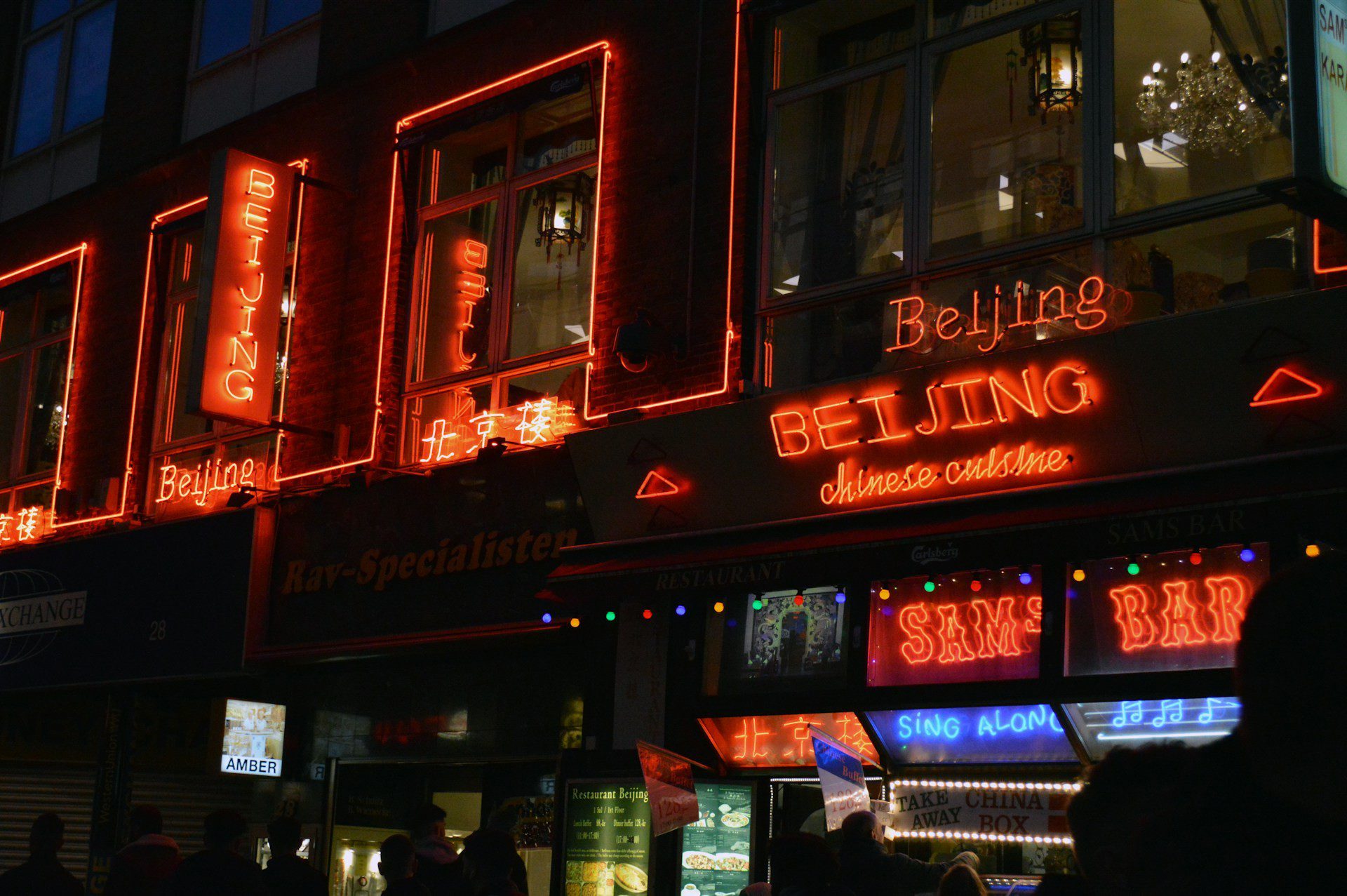
Copenhagen is a city of canals and waterfront, and there’s no more photogenic and picturesque place than Nyhavn. Once a busy and lively harbor, Nyhavn has maintained its vibrant charm while adopting a cheerier and more colorful atmosphere. Here you can admire numerous boats moored in the small harbor, but what truly catches the eye are the characteristic colorful houses lining the canal, iconic symbols of the city.
With such a stunning setting, you won’t be able to resist stopping at one of the many waterfront restaurants to enjoy Nyhavn’s unique atmosphere. This is also the area from which numerous canal cruises depart, allowing you to admire Copenhagen from a different and enchanting perspective. Nyhavn is also the place where you can catch one of the many canal cruise boats that travel through the main harbor and adjacent canals. You can learn more or book a canal cruise here.

Amalienborg Square
The royal palaces are a constant presence in Copenhagen, and the majestic Amalienborg Square is a prime example. On each side of this imposing ring-shaped square, you can admire the elegant buildings of Amalienborg Palace. Tourists often visit this area to admire the equestrian statue of King Frederick V or to witness the changing of the guard ceremony. From the square, you can also enjoy a breathtaking view of the large dome of Frederick’s Church, dating back to the 18th century.
Churchill Park and Langelinie
Continuing along the waterfront, you’ll reach Churchill Park and Langelinie, an area that includes a pier, a scenic promenade, and a park, all rich with attractions and points of interest. Starting at Churchill Park, you’ll encounter the elegant St. Alban’s Church, with its distinctive white and gray color combination, and the spectacular Gefion Fountain. Following the scenic Langelinie trail, you’ll arrive at the Maritime Monument, an angelic sculpture set within the greenery of the park, which comes alive with colors and scents when spring flowers bloom.
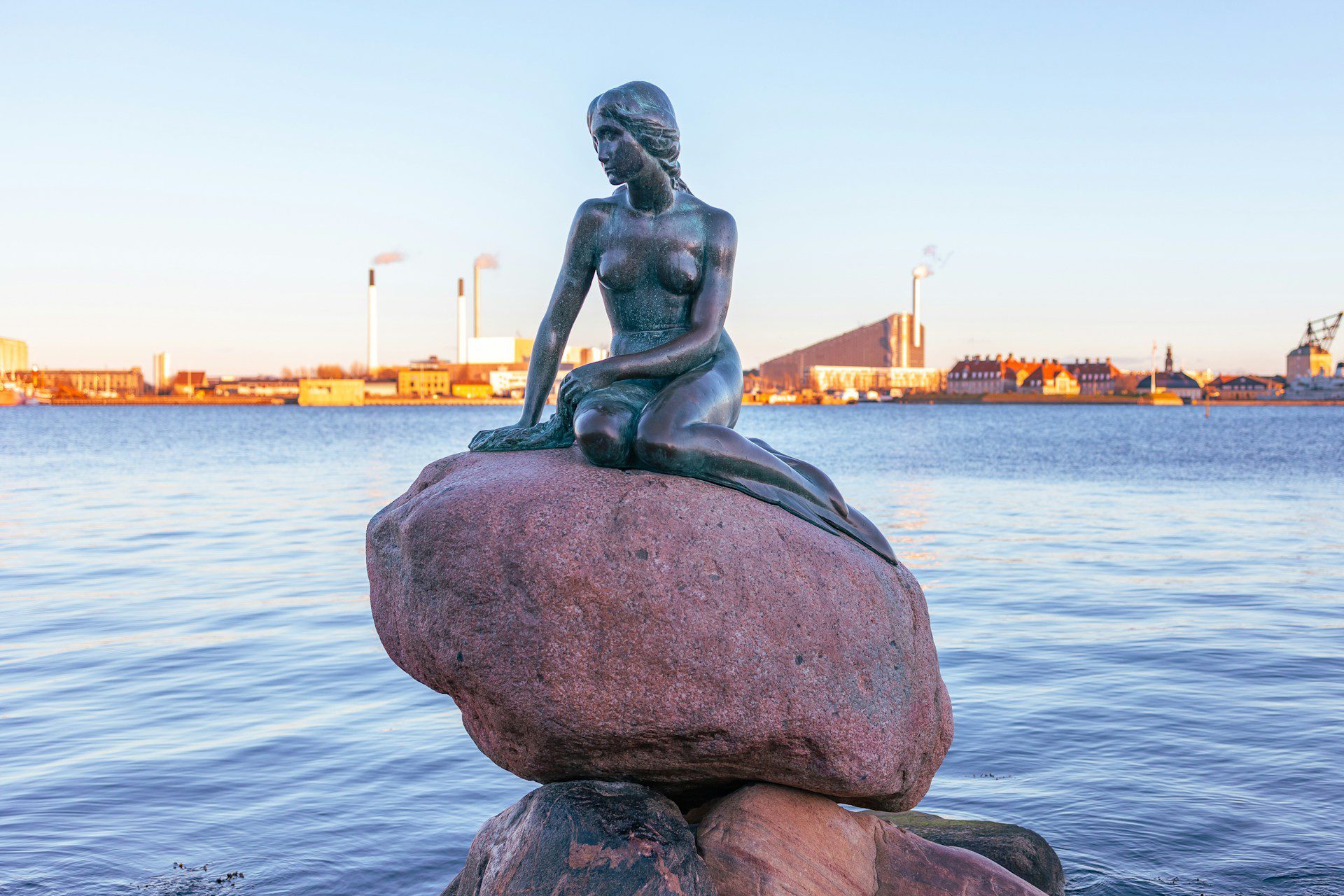
As you walk along Langelinie, you’ll be surrounded by water, with canals on one side and the Kastellet moat on the other. There’s no better way to reach the famous Little Mermaid! Despite its small size, this bronze statue depicting the beloved fairy tale protagonist has become an icon of Copenhagen.
Kastellet
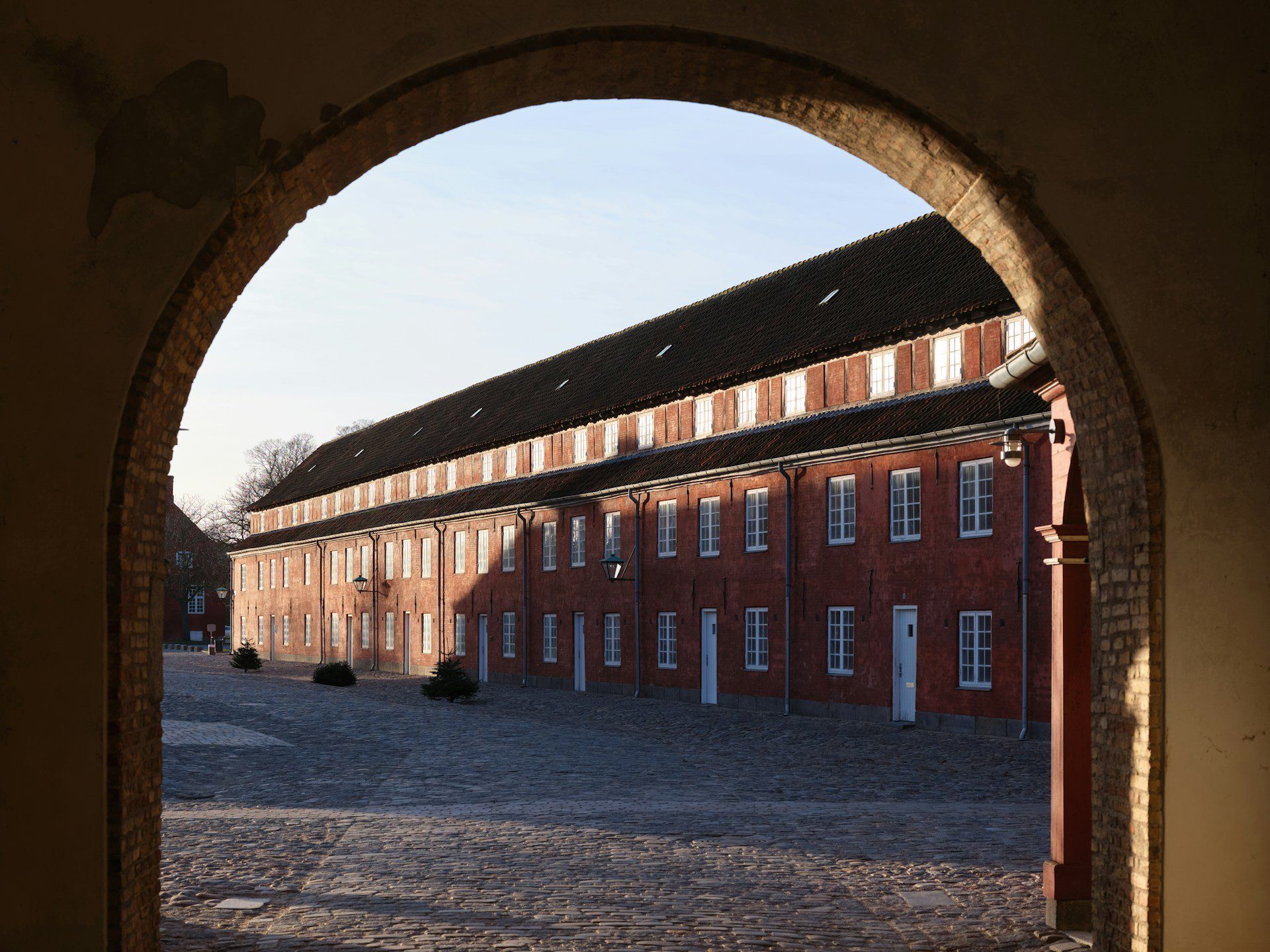
After admiring the Little Mermaid, you can cross one of the bridges and reach Kastellet (The Citadel). With its moats and high grassy walls, this imposing star-shaped fortress is truly a sight not to be missed. Once part of Copenhagen’s defenses, Kastellet is today a public park with paths winding along the ancient fortifications. At the center of the fortress are several historic buildings that recall the military past of this structure, along with the imposing stone gates.
Tivoli Gardens
After a day full of discoveries, it’s time to treat yourself to some fun at the Tivoli Gardens, the second oldest amusement park in the world. Tivoli offers a wide range of attractions, from rides to musical shows set in beautiful gardens. Among the many attractions, you can experience the thrill of a historic wooden roller coaster, free-fall towers, bumper cars, a Ferris wheel, and rocking rides. Surprisingly, this park was the inspiration for the creation of Disneyland!
During the months of November and December, the Tivoli Gardens transform into a true winter wonderland, featuring a Christmas market, an ice skating rink, and spectacular lighting. Regardless of the season you visit Copenhagen or your age, Tivoli is an unmissable experience and a perfect way to conclude your first day in the city.

On your second day in Copenhagen, you’ll return to the city center and gradually explore other areas, having the opportunity to experience different aspects of local culture beyond simple tourism.
Christiansborg Palace
One of the main attractions in the city center you haven’t visited yet is the Christiansborg Palace, located on a small island within the city. Dating back to the 12th century, this area is where Copenhagen was born. Today, this majestic 20th-century palace houses several royal functions and all the main government institutions, including the Danish Parliament, the Supreme Court, and the Prime Minister’s office.
You can visit the palace both inside and outside. While the view of the main courtyard is already quite impressive, the elegance and sophistication of the Great Hall, with its beautiful tapestries, will take your breath away.

Rosenborg Castle
Another royal building you won’t want to miss is the Rosenborg Castle, with its charming architecture, lovely gardens, and incredible treasure inside. This Renaissance castle houses many of the most precious jewels linked to the Danish royal family, including the crown and coronation thrones. Besides the opulent collections of the treasure, you can admire the lavish interiors of this royal palace as you move from room to room.

Statens Museum for Kunst
Copenhagen is a capital of culture, with countless museums and art galleries worth visiting. You could spend whole days exploring places like the National Museum of Denmark and the Ny Carlsberg Glyptotek, but if you only have time for one museum, your choice should be the Statens Museum for Kunst (National Gallery of Denmark).
In this vast museum located right in front of Rosenborg Castle you can admire artworks ranging from the Renaissance to the contemporary and modern era. Here you will find not only works by Danish artists but also by illustrious names such as Peter Paul Rubens, Henri Matisse and Edvard Munch, in addition to the rotating temporary exhibitions.
Torvehallerne
With its numerous Michelin-starred restaurants, Copenhagen has established itself as a must-visit destination for food lovers. But you don’t need to spend a fortune to taste Danish cuisine: at Torvehallerne, a lively food market, you will find over 60 stalls offering baked goods, fresh fish, alcoholic beverages, and all kinds of gourmet delicacies.
For an authentic local culinary experience, don’t miss the chance to try smørrebrød, an open-faced sandwich topped with cold cuts, fish, and various garnishes. Here you can also enjoy a good coffee to recharge before continuing your tour.
Danish Royal Theater and Opera House
Up to this point, you have mainly focused on the historical side of Copenhagen, but the city can also be fresh and modern. An example is represented by the striking contemporary design of the Danish Royal Theater e and the Opera House, located on opposite sides of the canal. Both of these waterfront buildings contribute to making this area particularly welcoming. If you have time, don’t miss the opportunity to attend an evening show at one of these two venues, remembering to wear your best outfit!
Freetown Christiania
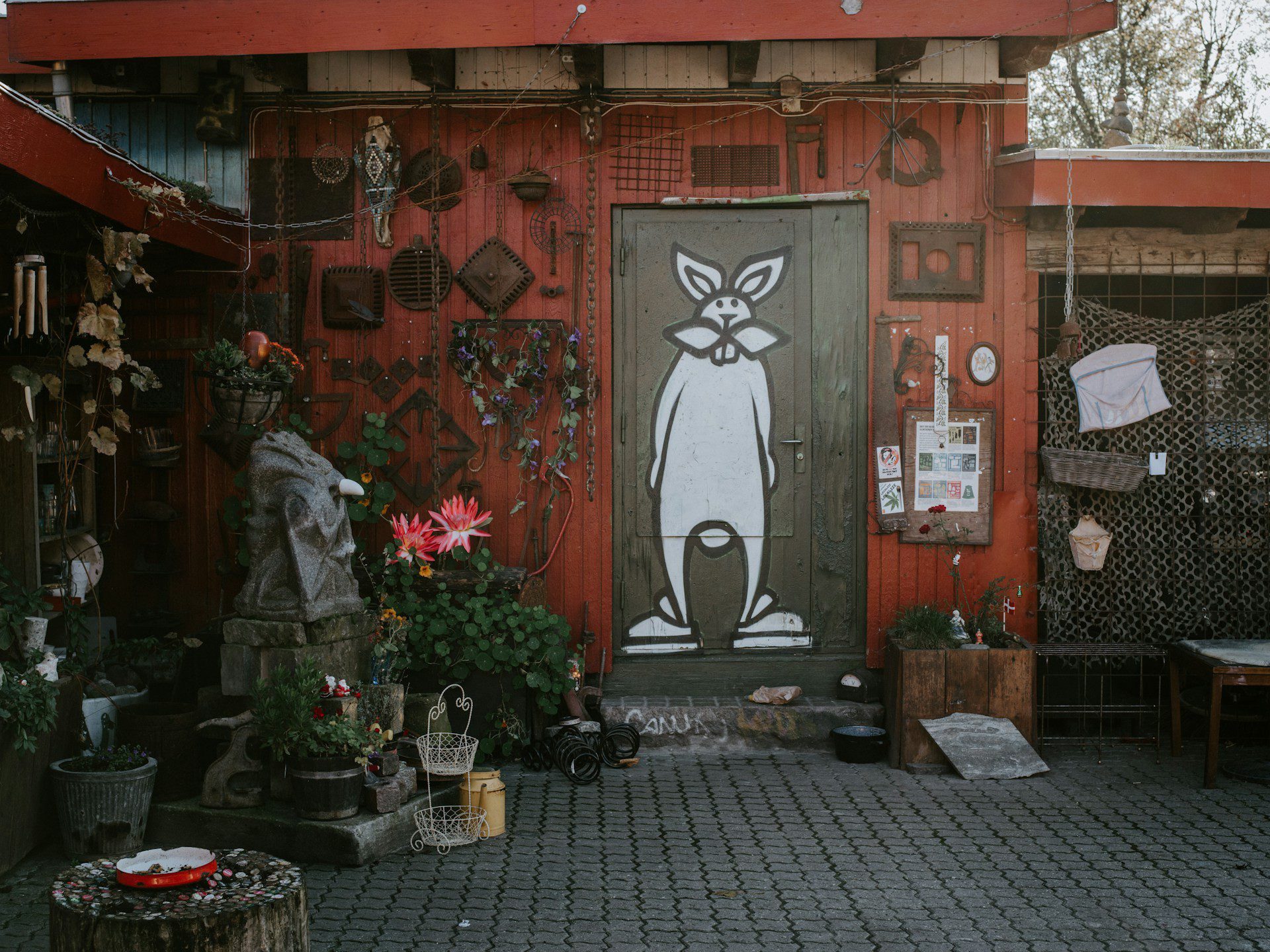
Copenhagen might seem like a rather austere city, but not so for Freetown Christiania. Located in a former military barracks on the southeastern edge of the city center, this alternative community has fought for decades for self-sufficiency and independence from the rest of the city. Visiting Christiania will make you feel as if you’ve left Copenhagen behind. Freetown Christiania is known for its thriving cannabis and hashish trade, so it’s not uncommon to see people freely smoking in this area. However, remember that cannabis is illegal in Denmark, so avoid taking photos in the so-called “Green Light District.” Nevertheless, with its offering of organic food, live music, and guided tours within the community, Christiania has become a very popular attraction for visitors eager to discover a different side of the city.
If you want to learn more about Freetown Christiania and how hippies took over a military barracks in the 1970s, consider joining this alternative walking tour. It is a fascinating and highly recommended experience.
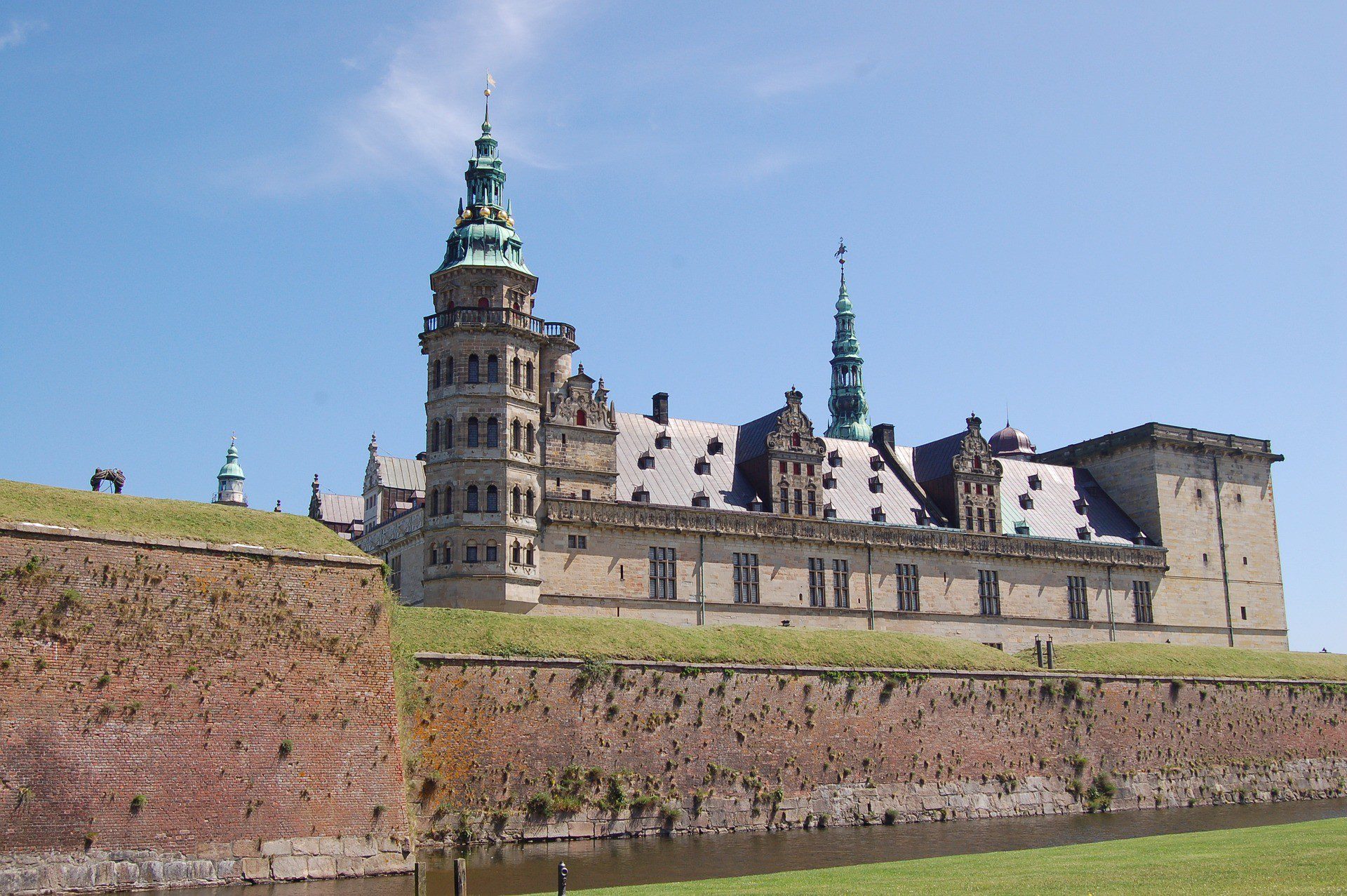
The third day is dedicated to excursions outside the city. A visit to Helsingør and its Kronborg Castle, famous for being the setting of Shakespeare’s Hamlet tragedy, is a must. Another unmissable destination is Roskilde, an ancient Danish city rich in history and culture. Here you can visit the Viking Ship Museum and the Ragnarock, the museum dedicated to the history of rock. For an international experience, cross the Øresund Bridge and visit Malmö, the Swedish city by the sea, with its historic center, the castle, and the modern library. Any day trip from Copenhagen that you choose will allow you to fully appreciate the beauty of Denmark or Scandinavia in general.
For those in a hurry. To make the most of your third day in Copenhagen, consider joining this highly rated day tour to Roskilde, Frederiksborg Castle, and Kronborg. The tour is ideal if you have little time and want to see as much of historic Denmark as possible.
Helsingør
Denmark and castles go hand in hand, so why not dedicate your day to visiting the Kronborg Castle in Helsingør (also known as Elsinore)? This incredible Renaissance castle is a UNESCO World Heritage Site and is famous for being the setting of William Shakespeare’s Hamlet. Inside the castle, you can learn about Helsingør’s history and explore crypts and catacombs. Due to its literary connection, the castle also hosts the annual Shakespeare Festival, allowing you to watch a performance of Hamlet in its true setting if you visit the city in August.
Although Kronborg Castle is Helsingør’s most famous attraction, the city has much more to offer! Its center features the picturesque Gamla Stan (Old Town), with cobblestone streets and characteristic houses. But this port city can also be surprisingly modern, as demonstrated by the Kulturhavn Kronborg (Cultural Harbor of Kronborg) with the contemporary design of the M/S Maritime Museum of Denmark. Here you can learn a lot about Viking history through exhibitions dedicated to Denmark’s maritime tradition.
Roskilde
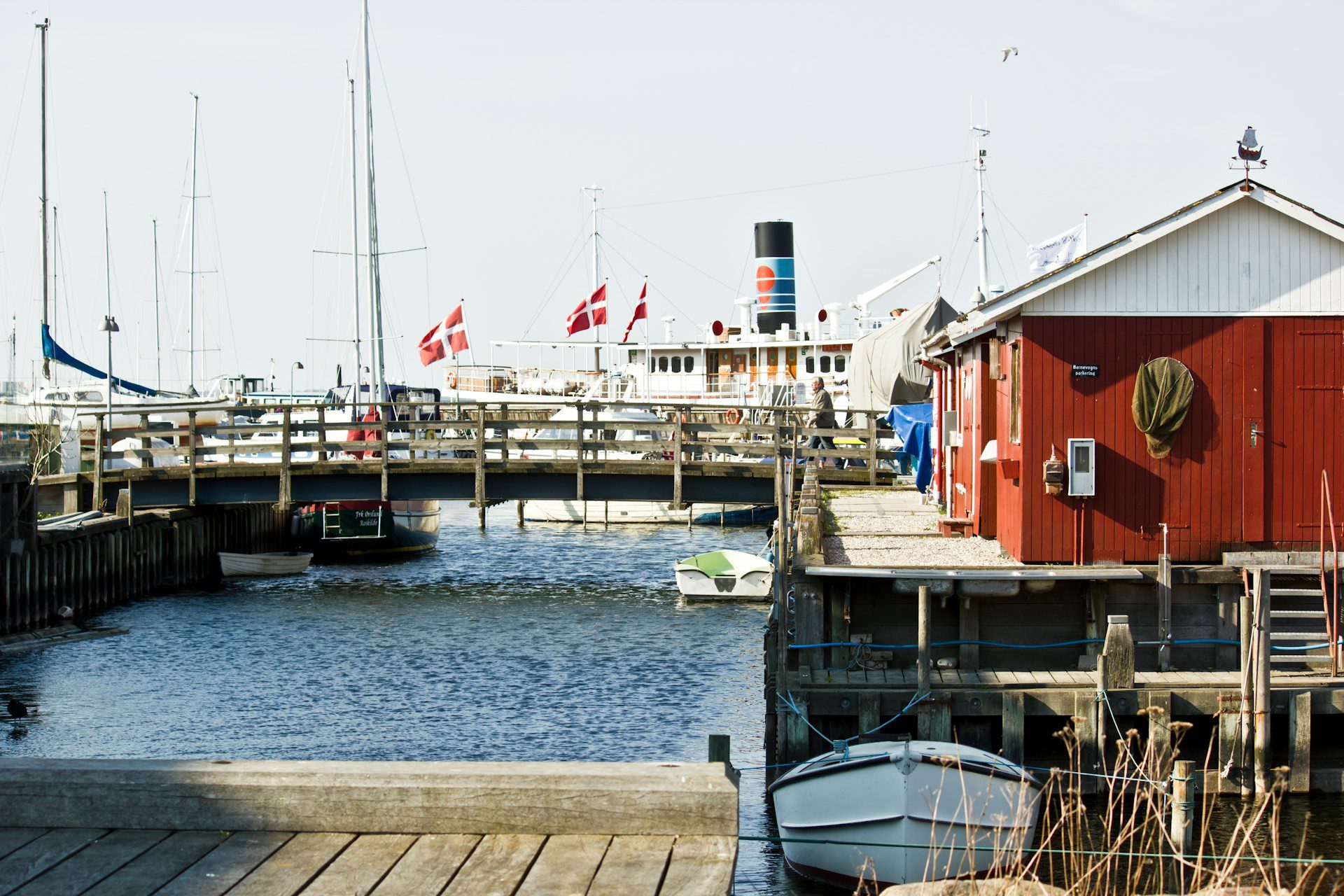
Another beautiful Danish city easily reachable from Copenhagen is Roskilde. Although there is much to see in this ancient city, Roskilde is especially famous for two completely different things: a music festival and a Viking ship museum.
The Roskilde Festival lasts four days and attracts over 100,000 spectators each summer, making it one of Europe’s largest music festivals. Founded in 1971 with a focus on Scandinavian and European music, today the festival features major international artists like Metallica, Bruno Mars, and Eminem. Roskilde’s love of music also led to the creation of Ragnarock, a museum dedicated to the history of rock.
Roskilde is also famous for its incredible Viking heritage, which you can discover at the Viking Ship Museum. Here you can learn about Viking history and culture and even admire the remains of five Viking ships found in the nearby fjord. You can also watch the construction of new Viking ships at the shipyards.
Malmö
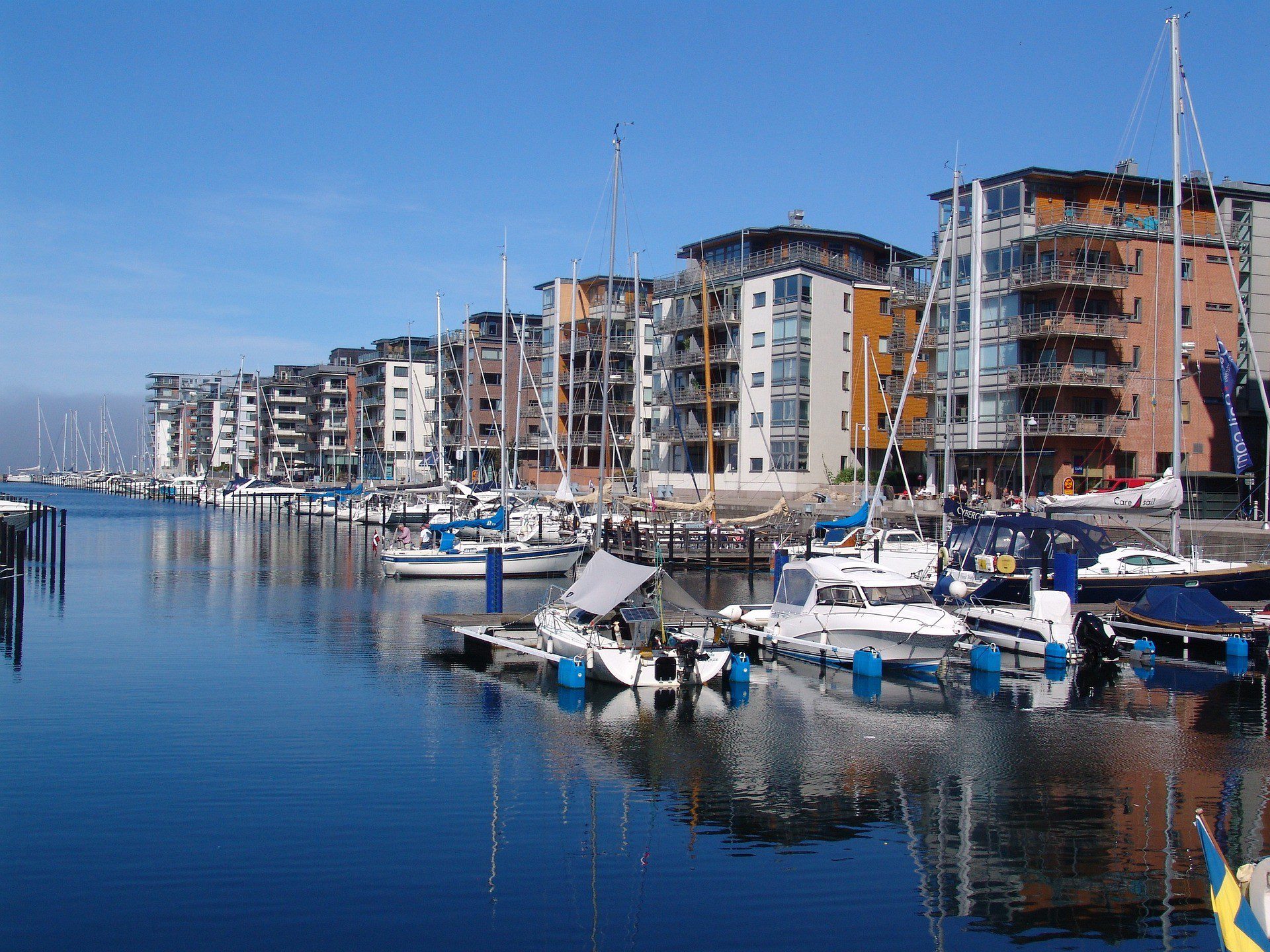
Since you can even see Sweden from Copenhagen, the temptation to visit a new country is strong. This is easily achievable with a day trip across the Øresund Bridge to Malmö. This Swedish city is rich in history and character, and you can see much of it in just one day.
It’s best to start at the charming Lilla Torg, the central square with its half-timbered houses, then head to Malmö Castle. Inside this low fortress, you can visit the City Museum and then stroll through the castle gardens and Kungsparken (King’s Park), searching for the castle’s windmill. Not far from Kungsparken, you’ll find a fascinating mix of modern and historic design at the Malmö City Library.
If time permits, don’t miss the chance to visit Malmö’s waterfront. Here you can not only spend time on Ribersborg Beach and admire the Turning Torso (the tallest skyscraper in Sweden), but also look back toward the Øresund Bridge stretching across the horizon.
It may seem incredible, but that’s all! Now you can understand how it’s possible to see Copenhagen in just 3 days and still have some time to explore attractions outside the city.
When to Visit Copenhagen
The best time to visit Copenhagen depends on your personal preferences and the experiences you want to have. If you are looking for sunny days and mild temperatures, the summer months from June to August are ideal. However, it’s important to keep in mind that this is also the peak tourist season, with higher prices and crowds.
An attractive alternative is to visit Copenhagen during spring, particularly in April and May. These months fall within the so-called “shoulder season,” characterized by fewer tourists and more affordable rates. Additionally, you can admire the breathtaking spectacle of cherry blossoms in bloom, giving the city a charming and romantic atmosphere. If you prefer a more intimate and less crowded experience, early winter could be the perfect choice. December, in particular, offers the chance to immerse yourself in the festive atmosphere of the Christmas markets and be enveloped by the contagious cheer that fills the streets of Copenhagen. We also recommend visiting Copenhagen during the Beer Festival and as a starting point for the fairy tale route.

How to get around Copenhagen
During your stay in Copenhagen, you will find yourself frequently moving from one point to another in the city. Although the historic center is not excessively large, you might still accumulate a significant amount of steps during your 3-day stay. While walking can be pleasant in some cases, continuously moving on foot might prove tiring. An interesting alternative is to rent a bicycle. Copenhagen is indeed an extremely bike-friendly city, and its residents favor this ecological and healthy means of transport. Many hotels and accommodations offer bicycle rentals, but if not, you will have no difficulty finding numerous rental points scattered throughout the city.
Another convenient option is public transport, such as buses, urban trains (S-train), and canal boats. Buses offer extensive coverage of the entire urban area, while S-trains connect the central station and the Østerport area. A particularly scenic experience is traveling on board the canal boats, which traverse the city’s canals offering breathtaking views.
All public transport in Copenhagen uses the same ticketing system, with a cost of 24 Danish kroner (about 3.53 euros) for a single ticket. A beneficial option to consider is the Copenhagen City Card, which allows unlimited use of public transport and free or discounted entry to over 80 museums and attractions. If you arrive at Copenhagen airport, the most convenient way to reach the city center is to take the train or the metro. The train will take you directly to Copenhagen central station, while the metro will allow you to reach other areas of the center, such as Kongens Nytorv, depending on your final destination.
If you want to save: time and money we recommend purchasing the Copenhagen City Card. With this card, not only can you use all public transport for free, but you can also enjoy free or discounted entries to more than 80 museums and attractions.

Where to stay in Copenhagen
The choice of accommodation can greatly affect the quality of your trip to Copenhagen. Whether you prefer a luxury hotel or a more economical solution, location is a crucial factor to consider. The most convenient areas to stay are the city center and the Vesterbro district, both easily accessible and rich in tourist attractions and places to enjoy local cuisine.
If you want to indulge in pure luxury, the elegant Guldsmeden Manon Les Suites, a 5-star hotel, could be the perfect choice. With its spacious suites, indoor pool, and charming rooftop café, this property offers everything you need for an unforgettable experience. For a more affordable yet still comfortable option, the Comfort Hotel Vesterbro represents a smart choice. This 3-star hotel offers a rich breakfast included and rooms with modern and creative design, perfectly in line with the lively atmosphere of the Vesterbro district.
If you are looking for an economical but quality solution, the Urban House Copenhagen might be right for you. Strategically located near the central station, this hostel boasts numerous amenities, such as a billiard room and a bike shop. What truly makes it special, however, is the warm welcome from the staff and the trendy design of the spaces.
This 3-day itinerary will allow you to explore the best that Copenhagen has to offer, from its charming history to modern cultural spaces, from culinary experiences to outdoor activities. Get ready to be enchanted by the magic of this city!


