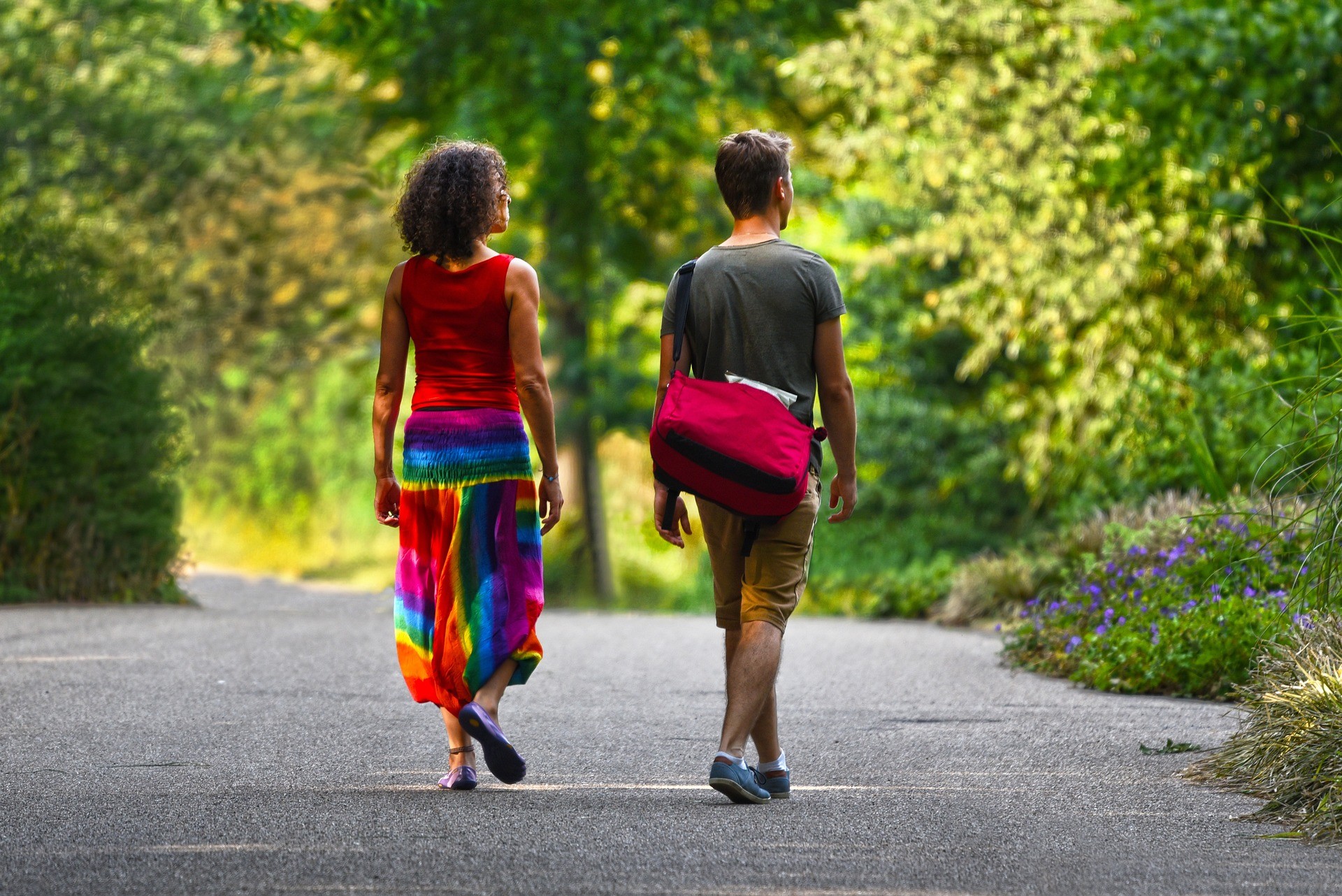


Traveling can be an incredibly rewarding experience, opening the door to new cultures, breathtaking landscapes, and unforgettable memories. However, like any activity, travel involves certain risks that you need to be aware of and address proactively. Whether you’re planning a business trip, an exotic holiday, or an outdoor adventure, safety should always come first.
- 1. Plan your trip carefully
- Research your destination thoroughly
- Check your passport and visa requirements
- Create a detailed travel plan
- 2. Safeguard your documents
- Make copies of your documents
- Use RFID-blocking holders
- Keep your documents secure
- 3. Bring a personalized first aid kit
- Pack a customized first aid kit
- Check your medications
- Consider your specific medical needs
- 4. Protect your digital safety
- Secure your electronic devices
- Be cautious with public Wi-Fi
- Limit sharing personal information
- 5. Stay aware of your surroundings
- Stay informed on local conditions
- Avoid drawing attention
- Trust your instincts
- 6. Choose accommodation wisely
- Check online reviews
- Ask about security features
- Consider location
- 7. Stay safe in transit
- Use reliable transportation
- Plan your routes
- Keep a low profile when moving
- 8. Protect your personal belongings
- Use anti-theft bags
- Distribute cash and documents
- Record device serial numbers
- 9. Stay connected with loved ones
- Keep your contacts informed
- Use security apps
- Know local emergency numbers
- 10. Be prepared for emergencies
- Identify safe gathering points
- Understand local emergency plans
- Keep a food and water reserve
- 11. Be responsible with alcohol and drugs
- Limit alcohol consumption
- Completely avoid drugs
- Be aware of medication effects
- 12. Respect local laws and customs
- Learn about laws and traditions
- Be sensitive to cultural differences
- Cooperate with local authorities
- 13. Take care of your health and well-being
- Maintain a healthy lifestyle
- Be prepared for medical emergencies
- Follow local health guidelines
- 14. Be cautious with wildlife
- Keep distance from animals
- Follow park guidelines
- Be prepared for unexpected encounters
- 15. Be aware of natural hazards
- Understand natural risks
- Follow authorities’ instructions
- Stock up on essential supplies
- 16. Beware of theft and scams
- Learn common theft techniques
- Protect valuables
- Be wary of strangers and tempting offers
- 17. Watch out for health risks
- Get required vaccinations
- Protect yourself from insect-borne diseases
- Opt for eco-friendly transportation
- Reduce plastic use
- Respect local flora and fauna
- 19. Watch out for cyber security risks
- Use a VPN when connecting
- Restrict access to your devices
- Beware of phishing and online scams
- 20. Stay aware of political and conflict-related risks
- Stay updated on political situations
- Avoid protests and conflict areas
- Be flexible and ready to evacuate
- 21. Understand terrorism-related risks
- Learn about terrorism threats
- Avoid high-risk locations and events
- Stay alert and report suspicious activity
- 22. Be prepared for medical emergencies
- Know emergency contact numbers
- Keep your medical info updated
- Be aware of healthcare facilities
- 23. Prepare for financial emergencies
- Diversify your payment methods
- Know your support numbers
- Keep a cash reserve
- 24. Prepare for travel disruptions
- Learn your passenger rights
- Keep copies of bookings
- Stay flexible and adaptable
- 25. Be a responsible and mindful traveler
- Respect local cultures and traditions
- Be a positive ambassador
- Enjoy your journey safely and mindfully
In this guide, we share 25 key tips to help you stay safe wherever you travel, so you can explore the world with peace of mind and confidence. From preparing before departure to staying alert whilst abroad, these guidelines will help you identify and manage potential threats, allowing you to enjoy your travel experience to the fullest.
1. Plan your trip carefully
Research your destination thoroughly
Before you go, take the time to research your destination in detail. Look for information about crime, political instability, weather conditions, and travel advisories. Rely on trusted sources like government websites and international organizations for an accurate and updated overview.
Check your passport and visa requirements
Make sure your passport is valid for at least six months beyond your travel date and that you hold any necessary visas for your itinerary. Review the destination country’s entry requirements and apply for documents well in advance.
Create a detailed travel plan
Prepare a comprehensive itinerary including flight details, accommodation, transportation, activities, and points of interest. Share your travel plan with friends or family so someone is always aware of your schedule.
2. Safeguard your documents
Make copies of your documents
Create digital and paper copies of all your crucial travel documents such as your passport, driver’s license, and credit cards. Keep these backups in a separate place from the originals to make them easy to retrieve in case of loss or theft.
Use RFID-blocking holders
Invest in an RFID-blocking case to protect your documents and credit cards from potential identity theft. These holders block RFID signals, preventing unauthorized access to your personal data.
Keep your documents secure
While traveling, keep your documents safe, ideally in an inside pocket or cross-body bag. Only take them out when strictly necessary and avoid displaying them in public.
3. Bring a personalized first aid kit
Pack a customized first aid kit
Assemble a tailored first aid kit with prescription medications, over-the-counter remedies, bandages, disinfectant, and other essentials. Make sure your kit is compliant with the regulations of your destination country.
Check your medications
Before you depart, confirm that your prescription medications are allowed in your destination. Obtain any necessary prescriptions and keep them separate from your medicines.
Consider your specific medical needs
If you have particular medical conditions, such as allergies or chronic illnesses, be sure to bring everything you need to manage them on the road. Consider purchasing travel medical insurance as well.
4. Protect your digital safety
Secure your electronic devices
Ensure all your devices—smartphones, tablets, laptops—are protected with strong passwords and updated antivirus software. Using a VPN to encrypt your connections is highly recommended.
Be cautious with public Wi-Fi
Avoid using public Wi-Fi for sensitive transactions or accessing important information. If needed, use a VPN connection or wait until you’re on a secure network.
Limit sharing personal information
Don’t overshare personal details on social media or with strangers. Keep a low profile and avoid posting about your whereabouts or travel plans.
5. Stay aware of your surroundings
Stay informed on local conditions
Monitor safety updates and travel advisories related to your destination. Pay attention to any protests, unrest, or other events that might affect your safety.
Avoid drawing attention
Try not to stand out. Avoid wearing flashy jewelry, carrying valuables, or openly displaying cash and electronics.
Trust your instincts
Stay alert and aware of your environments. If you ever feel uncomfortable or unsafe in a situation, trust your instinct and remove yourself immediately.
6. Choose accommodation wisely
Check online reviews
Before booking accommodation, read online reviews to assess the safety and reliability of the property. Look for reports of past incidents or concerns.
Ask about security features
When you arrive, ask about security measures—such as alarms, surveillance cameras, or onsite staff. Make sure your room is secure and you know how to access it safely.
Consider location
Choose accommodation in a safe, well-lit area, ideally close to main attractions and transport. Avoid isolated or high-risk neighborhoods.
7. Stay safe in transit
Use reliable transportation
Opt for trustworthy transport options like licensed taxis or reputable car rentals. Avoid unauthorized or unknown vehicles.
Plan your routes
Carefully plan your transit times and routes. Try to avoid traveling alone, especially at night or in unsafe areas.
Keep a low profile when moving
When on the move, keep a low profile and avoid revealing valuables or discussing your travel plans in public.
8. Protect your personal belongings
Use anti-theft bags
Invest in an anti-theft bag or backpack with hidden zippers and compartments to protect your valuables. Never leave your belongings unattended.
Distribute cash and documents
Instead of keeping all your cash and documents together, split them among different places—pockets, bags, wallets—so losing one doesn’t mean losing everything.
Record device serial numbers
Note the serial numbers of your devices (smartphone, laptop, etc.). This can help authorities recover them if stolen.
9. Stay connected with loved ones
Keep your contacts informed
Share your itinerary and emergency contacts with close friends or family. Regularly call or message to update them on your status.
Use security apps
Install safety apps on your phone that allow you to share your location or send emergency alerts at the touch of a button.
Know local emergency numbers
Memorize or keep handy the emergency numbers for police and medical services in your destination. Make sure you can quickly contact help if needed.
10. Be prepared for emergencies
Identify safe gathering points
Know in advance where to find safe meeting points—such as embassies, consulates, or police stations—in case you need to evacuate quickly.
Understand local emergency plans
Find out about emergency procedures for disasters like earthquakes or floods. Always follow the instructions of local authorities.
Keep a food and water reserve
Have a small supply of food and water, just in case of emergencies or supply disruptions. This helps you stay self-sufficient in critical moments.
11. Be responsible with alcohol and drugs
Limit alcohol consumption
Drink in moderation while traveling. Alcohol impairs awareness and can increase the risk of accidents or unsafe behavior.
Completely avoid drugs
Never use drugs, even if legal locally. Substance use can expose you to serious legal and safety risks.
Be aware of medication effects
Be mindful of any side effects your prescriptions might have, especially if they could affect your judgment or reaction time.
12. Respect local laws and customs
Learn about laws and traditions
Ahead of your trip, get informed on local laws and cultural norms. Always respect them to avoid trouble with authorities.
Be sensitive to cultural differences
Show respect for cultural differences and adapt your behavior accordingly. Avoid unintentionally offending locals.
Cooperate with local authorities
If you encounter issues or emergencies, cooperate with local officials and follow their instructions—never resist checks or requests.
13. Take care of your health and well-being
Maintain a healthy lifestyle
While traveling, aim for a balanced diet, proper hydration, and regular exercise. This will help you stay fit and prevent health issues.
Be prepared for medical emergencies
Know the location of healthcare facilities at your destination and ensure you have valid travel health insurance.
Follow local health guidelines
Respect health recommendations like wearing a mask or social distancing when required. Help maintain a safe environment for all.
14. Be cautious with wildlife
Keep distance from animals
In natural environments, always maintain a safe distance from wild animals. Do not approach, touch, or disturb them.
Follow park guidelines
When visiting parks or reserves, carefully follow staff instructions and posted rules to ensure your safety and that of the animals.
Be prepared for unexpected encounters
Research the local wildlife and what to do if you encounter animals unexpectedly. Always have a first aid kit close at hand.
15. Be aware of natural hazards
Understand natural risks
Before you go, find out about possible natural risks at your destination—earthquakes, hurricanes, floods, wildfires—and have an emergency plan.
Follow authorities’ instructions
If a natural emergency occurs, strictly follow the advice and instructions from local authorities. Evacuate promptly if told to do so.
Stock up on essential supplies
Keep essentials like food, water, flashlights, and blankets in case of supply outages during a natural emergency.
16. Beware of theft and scams
Learn common theft techniques
Find out about typical theft and scam tactics at your destination—pickpocketing, bag snatching, tourist scams—and stay alert.
Protect valuables
Minimize valuables when you go out. Use an anti-theft bag and keep personal items within reach at all times.
Be wary of strangers and tempting offers
Be cautious of strangers offering help or deals that seem too good to be true—they could be scams.
17. Watch out for health risks
Get required vaccinations
Before departure, check with your doctor about recommended vaccines for your destination and stay up-to-date.
Protect yourself from insect-borne diseases
Take measures to prevent bites …
## 18. Respect the environment while traveling
When you travel, it’s important to consider your environmental impact. Choose sustainable practices to reduce your ecological footprint and help preserve the places you visit.
Opt for eco-friendly transportation
Whenever possible, choose low-emission transport such as trains, buses, or bicycles. Avoid frequent use of cars or air travel, which have a greater environmental effect.
Reduce plastic use
Limit single-use plastic during your trip. Bring a reusable water bottle, skip plastic bottles, and choose unpackaged or eco-friendly foods.
Respect local flora and fauna
In natural settings, treat local plants and animals with care. Don’t collect or disturb protected species, and follow conservation rules.
19. Watch out for cyber security risks
Cyber security risks are a growing concern for travelers. Take measures to protect your personal data and information abroad.
Use a VPN when connecting
When connecting to public Wi-Fi, always use a VPN to encrypt your data traffic and shield yourself from possible attacks.
Restrict access to your devices
Don’t leave your electronic devices—phone, tablet, or laptop—unattended. Use passwords and lock features to deter unauthorized access.
Beware of phishing and online scams
Be alert to suspicious emails, messages, or websites that may try to steal your personal or financial info. Always check requests are genuine before sharing sensitive data.
20. Stay aware of political and conflict-related risks
In some regions, political unrest or armed conflict can pose risks for travelers. Always do careful research before departing.
Stay updated on political situations
Check reliable sources regularly before departure to monitor changes in the political or security climate at your destination. Be ready to adapt your plans in response to government advisories and warnings.
Avoid protests and conflict areas
While abroad, steer clear of demonstrations, protests, or conflict zones. Keep a safe distance and follow the instructions of security forces.
Be flexible and ready to evacuate
If conditions worsen, be prepared to quickly adjust plans or evacuate the area if needed. Always have an emergency plan in place.
21. Understand terrorism-related risks
Unfortunately, terrorism is a concern in some parts of the world. Staying informed and taking precautions can help reduce the risks.
Learn about terrorism threats
Research any terrorism threats at your destination before your trip. Follow the guidance and travel advisories given by official sources.
Avoid high-risk locations and events
Avoid crowded tourist sites or major public events that could be potential targets during your stay.
Stay alert and report suspicious activity
Keep watch and promptly report any suspicious behavior or incidents to local authorities.
22. Be prepared for medical emergencies
Despite all your precautions, medical emergencies can happen when traveling. Preparation is key to managing these issues.
Know emergency contact numbers
Keep local emergency numbers for ambulances, hospitals, and pharmacies handy. Also have your travel health insurance number available.
Keep your medical info updated
Bring a copy of your medical records, including prescriptions, allergies, and any chronic conditions. This helps medical staff assist you better in an emergency.
Be aware of healthcare facilities
Identify the nearest medical facilities ahead of time and check the quality of care provided. This allows you to make informed decisions quickly if needed.
23. Prepare for financial emergencies
Financial emergencies can arise during travel due to theft, loss, or card problems. Having a plan helps you deal with such situations.
Diversify your payment methods
Don’t rely on one card or cash only—bring several payment options, such as credit cards, debit cards, traveler’s cheques, and local currency.
Know your support numbers
Memorize your debit and credit card support numbers so you can quickly block or replace cards if lost or stolen.
Keep a cash reserve
Store a small amount of local cash separate from your primary payment methods for emergencies or banking issues.
24. Prepare for travel disruptions
Even with the best planning, unexpected issues like delays or cancellations can occur. Ready yourself to handle these situations.
Learn your passenger rights
Familiarize yourself with passenger rights to seek assistance or compensation in case of travel disruptions.
Keep copies of bookings
Retain digital and printed copies of all bookings—flights, accommodation, activities—to prove reservations if problems arise.
Stay flexible and adaptable
When faced with disruptions, remain calm and adapt quickly. Cooperate with providers to find alternative solutions.
25. Be a responsible and mindful traveler
Ultimately, being a responsible and conscious traveler is key for your safety and well-being. Follow these guidelines and always stay prepared and aware.
Respect local cultures and traditions
Respect the cultures and customs of the places you visit. Adjust your behavior to avoid offending local sensitivities.
Be a positive ambassador
Remember, you represent your country when traveling. Behave respectfully and create a positive image for others.
Enjoy your journey safely and mindfully
Above all, enjoy your travels with confidence and awareness. Follow these tips but don’t let fear stop you—explore the world with curiosity, open-mindedness, and respect.