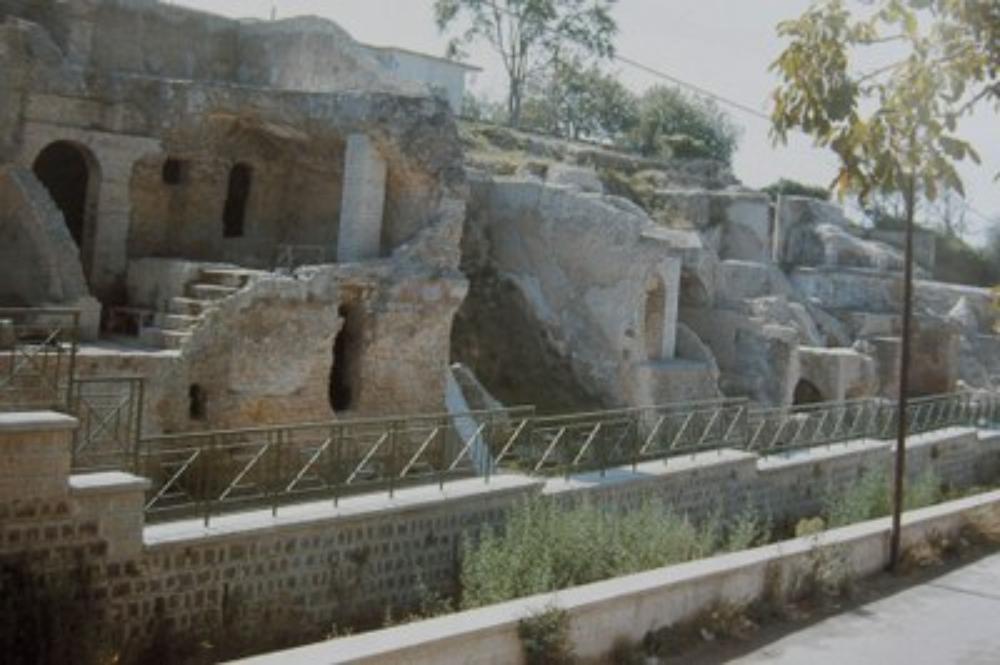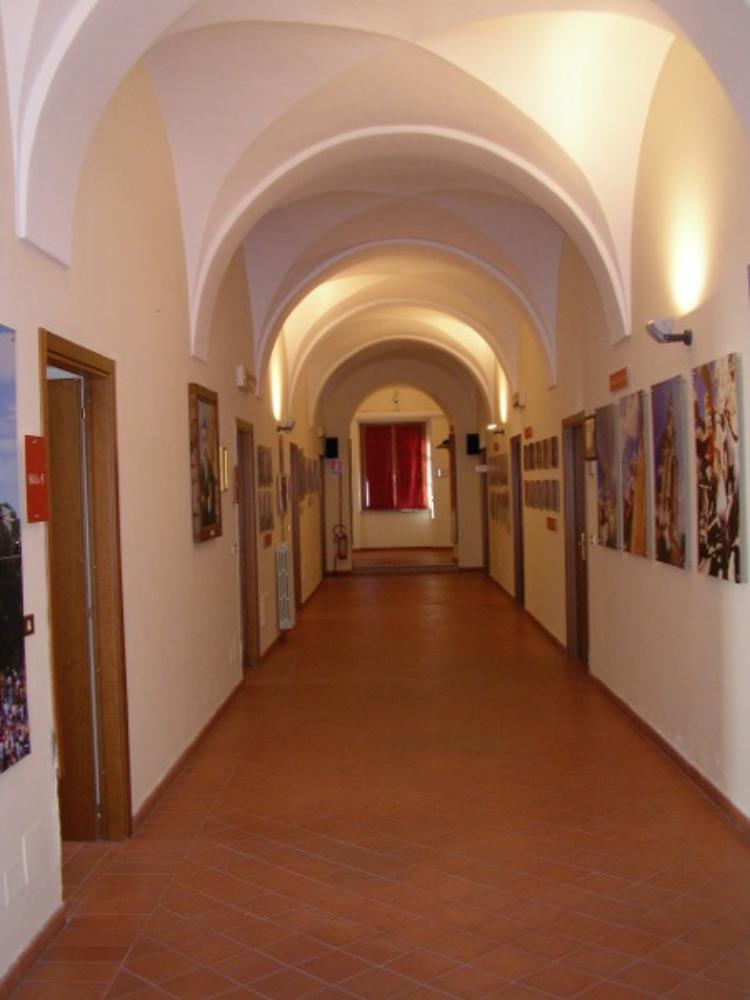


Inaugurated in the spring of 1999 in its new layout on the first floor of a suitably renovated building, which previously housed a nursery school, it brings together the civic historical-artistic collections, starting from the Antiquarium which was established in 1983 in the municipal residence with the intent to document the historical evolution of the territory from prehistory to the Middle Ages and of the settlement of Castel Bolognese, born as a newly founded center in the last decades of the 14th century. The archaeological section offers finds related to the first settlements within the castle area, represented by lithic artifacts belonging to the oldest phase of the Paleolithic cycle. Bronze Age ceramics and clay, glass, and metal materials from villas, necropolises, and scattered settlements of the Roman age outline an almost complete picture of the population of the Senio valley. Due to their rarity, some silver and gilded silver jewelry pieces, attributed to types used by the Ostrogothic populations, found in the exploration of a 5th-6th century AD necropolis on the outskirts of the inhabited center, are highlighted. The medieval section consists of ceramics and other objects (dating from the 14th to the 16th century) recovered during excavations in the urban center, in the surrounding territory and in the area of Sant’Angelo in Campiano, where already before the 9th century AD stood the ancient parish church dependent on the Imola diocese, almost entirely destroyed following the damage suffered during the Second World War. The artistic section houses paintings, drawings, enamels, medals and plaques, ceramics dating from the 16th to the 20th century, focusing especially on some figures of local artists: Giovanni A. Antolini, Cassiano Balducci, Fausto Ferlini and the ceramist Angelo Biancini. The main cores are represented by the works of Giuseppe Guidi and Giovanni Piancastelli, the first curator of the Borghese Gallery in Rome, the city in which he lived for a long time and became known especially as a portraitist. About fifty works by Piancastelli (1845-1926) including paintings and drawings mainly of Franciscan subjects, coming from the local Capuchin convent, are exhibited. The museum’s heritage is completed by the memorabilia related to the luthier Nicola Utili (1888-1978), born in Castel Bolognese. The workshop tools, instrument templates, various objects and a personal violin illustrate the activity of the luthier, specialist in the construction of violins without corners.
Information about Museo civico di Castel Bolognese
Viale Umberto I, 50,
48014 Castel Bolognese (Ravenna)
0546655827
cultura@comune.castelbolognese.ra.it
Source: MIBACT