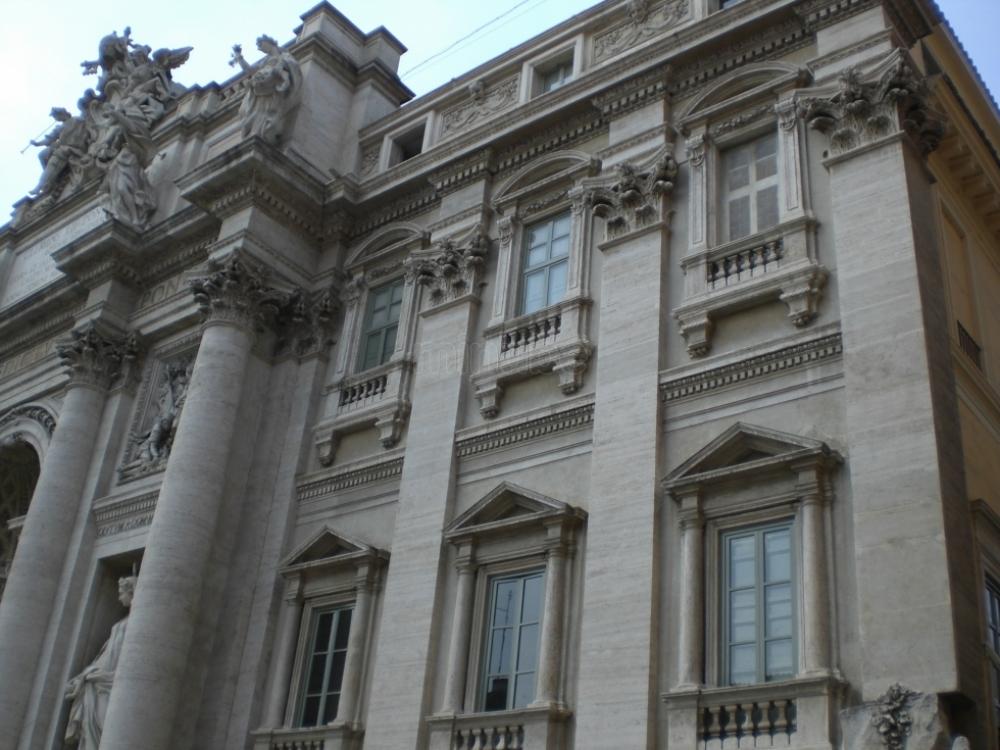


The nineteenth-century Palazzo Massimo, Museo Nazionale Romano di Roma, in neo-Renaissance style, near Termini Station, houses one of the most important collections of classical art in the world.
On the museum’s four floors, sculptures, frescoes, mosaics, coins, and goldsmith’s works document the evolution of Roman artistic culture from the late Republican to the late Antique age (2nd century BC – 5th century AD), through an exhibition itinerary where the history, myths, and daily life of Rome come alive.
On the ground floor rooms are displayed splendid original Greek works found in Rome, such as the Boxer, the Hellenistic Prince, and the Niobid from the Horti Sallustiani, and portraiture from the Republican and Imperial periods, culminating in the statue of Augustus Pontifex Maximus.
On the first floor, famous masterpieces of statuary are presented, including the Discobolus Lancellotti, the Girl from Anzio, and the Sleeping Hermaphroditus, and magnificent sarcophagi, such as the Portonaccio one, with a battle scene sculpted in high relief.
On the second floor, frescoed walls and floor mosaics document the domestic decoration of prestigious Roman residences. The basement houses the extensive numismatic collection, as well as furnishings, jewelry, and the Grottarossa mummy.