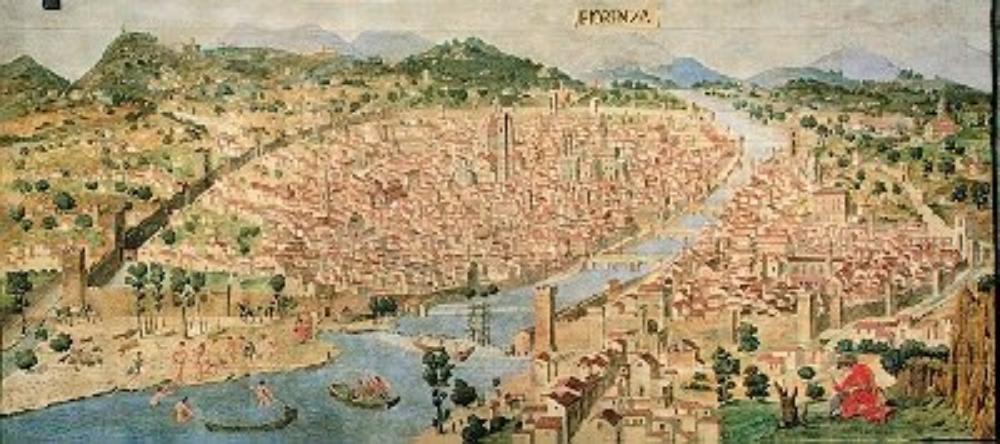


De Uffizi is een bijzondere plek. Een van de meest gemaakte fouten is om niet van tevoren te regelen hoe je aan tickets voor de Galleria degli Uffizi komt. Om ervoor te zorgen dat je volledig voorbereid bent, hebben we deze gids samengesteld vol informatie over hoe je toegangskaarten voor de Galleria degli Uffizi in Florence kunt kopen.
- Wat te zien in de Galleria degli Uffizi
- Corridoio Vasariano
- De beste manieren om tickets te bemachtigen voor de Galleria degli Uffizi
- 1. Ter plekke in de rij gaan staan (niet aanbevolen)
- 2. Reserveer online
- 3. Boek een rondleiding (aanbevolen)
- 4. Neem de PassePartout of de Firenze Card
- Handige informatie voor een bezoek aan de Galleria degli Uffizi
- Openingstijden Galleria degli Uffizi
- Wat is de beste tijd om de Galleria degli Uffizi te bezoeken?
- Hoe kom je bij de Galleria degli Uffizi in Florence
- Wat kosten de tickets voor de Galleria degli Uffizi?
- Hoe werken de tickets voor de Galleria degli Uffizi?
- Hotels in de buurt van de Galleria degli Uffizi
- Veiligheidscontroles bij de Galleria degli Uffizi
- De Galleria degli Uffizi bezoeken met een beperking
- Weetjes over de Galleria degli Uffizi
- Wat is de Galleria degli Uffizi?
- Wanneer is de Galleria degli Uffizi gebouwd?
- Hoe oud is de Galleria degli Uffizi?
- Wie heeft de Galleria degli Uffizi gebouwd?
- Waarom is de Galleria degli Uffizi gebouwd?
- Waar bevindt zich de Galleria degli Uffizi?
Tenzij je ervan houdt om je vakantie door te brengen in lange wachtrijen, raden we je ten zeerste aan omje skip-the-line tickets voor de Galleria degli Uffizi hier van tevoren te reserveren of een rondleiding door de Galleria degli Uffizi te boeken Van deze twee is de rondleiding de beste optie, omdat je van een deskundige gids de verhalen achter enkele van ‘s werelds belangrijkste kunstmeesterwerken hoort.
Wat te zien in de Galleria degli Uffizi
Binnen de Galleria degli Uffizi zijn werken verzameld van Giotto, Simone Martini, Piero della Francesca, Beato Angelico, Filippo Lippi, Botticelli, Mantegna, Correggio, Leonardo, Rafaël, Michelangelo, Caravaggio. Belangrijk zijn ook de collecties van Duitse, Nederlandse en Vlaamse schilders. Onder hen:Dürer, Rembrandt, Rubens. De Galleria degli Uffizi bevindt zich op de bovenste verdieping van het grote gebouw, gebouwd tussen 1560 en 1580 naar een ontwerp vanGiorgio Vasari als zetel van de belangrijkste administratieve kantoren van de Toscaanse staat.
Het werd gerealiseerd op initiatief van de groothertog Francesco I en verrijkt dankzij de bijdrage van talrijke leden van de familie Medici, die gepassioneerde verzamelaars waren van schilderijen, beelden en kunstvoorwerpen. Het werd heringericht en uitgebreid onder de dynastie van de Lorena, die de Medici opvolgden, en later door de Italiaanse staat. In het Vasari-complex zijn er nog andere belangrijke verzamelingen ondergebracht: de Collezione Contini Bonacossi en het Gabinetto Disegni e Stampe degli Uffizi.
Corridoio Vasariano
De Corridoio Vasariano, gebouwd in 1565 door Giorgio Vasari, werd opgericht in opdracht van Cosimo I de’ Medici als privéverbinding tussen het oude hertogelijke paleis, het zogenaamde Palazzo Vecchio en Palazzo Pitti, de nieuwe residentie van de groothertog. Hier worden belangrijke verzamelingen schilderijen uit de zeventiende eeuw en de collectie van Zelfportretten tentoongesteld.
Het Pad van de Prins‘ begeleidt de bezoeker door de drie gebouwen die symbool staan voor de macht van de Medici via die luchtbrug en strikt privéweg die het de Groothertogen mogelijk maakte de stad te doorkruisen zonder gewapende escorte.
Het bezoek, alleen op reservering mogelijk in groepen van maximaal 35 personen en onder begeleiding van een gids, begint bij het Palazzo Vecchio, voert door de Galleria degli Uffizi om vervolgens de Corridoio Vasariano te betreden en eindigt in de tuin van Boboli. De Corridoio Vasariano valt onder de Galleria degli Uffizi, die ook verantwoordelijk is voor de collectie Zelfportretten en voor de belangrijke verzamelingen schilderijen uit de zeventiende en achttiende eeuw die er worden tentoongesteld.

De beste manieren om tickets te bemachtigen voor de Galleria degli Uffizi
Afhankelijk van hoe je je reis naar Florence plant en hoe je dingen graag ervaart als je reist, zullen sommige opties voor het kopen van tickets voor de Galleria degli Uffizi je meer aanspreken dan andere. Het is echter handig om eerst te weten wat elke optie precies inhoudt, zodat je een geïnformeerde keuze kunt maken over welke tickets je wilt kopen.
Ongeacht bij welke populaire toeristische attractie je bent, het is zelden een goed idee om te wachten met het kopen van tickets tot je aankomt. In de rij staan op de dag zelf is vrijwel altijd de langzaamste en meest onzekere manier om je bezoek te regelen. De Galleria degli Uffizi laat maar een beperkt aantal bezoekers tegelijk toe, dus als de limiet bereikt is, beweegt de rij niet meer totdat bezoekers die binnen zijn, vertrekken. Wachttijden van meer dan een uur zijn vrij normaal voor wie in de rij staat voor tickets, en dat is geen handige besteding van je tijd in Florence, toch?
Als je toch van plan bent je in de rij te zetten, kun je dit het beste aan het einde van de dag doen wanneer er meer mensen naar buiten gaan dan naar binnen, omdat dit de wachttijd kan verkorten.
Een veel verstandiger aanpak is simpelweg je tickets voor de Galleria degli Uffizi vooraf online te reserveren. Online gekochte tickets zijn skip-the-line tickets voor de Galleria degli Uffizi, waarmee je de lange wachtrij voor tickets omzeilt en het museum via de fast lane binnenkomt. Je zult nog wel door de beveiliging en metaaldetectoren moeten, net als iedereen, maar met deze aanpak maak je veel beter gebruik van je tijd.
Tickets voor de Galleria degli Uffizi kunnen worden gekocht via deofficiële website van het museum. Deze tickets zijn echter niet restitueerbaar, waardoor je weinig mogelijkheden hebt als je plannen wijzigen en je moet annuleren.
Daarom raden wij je aanje ticket via deze link te kopen, omdat deze tickets gratis te annuleren zijn en volledig worden terugbetaald tot 24 uur voor de reservering. Je betaalt iets meer voor deze gemoedsrust, maar het kan je heel wat problemen besparen.
Naast het regelen van tickets voor de Galleria degli Uffizi, is een andere manier om je bezoek te plannen door een rondleiding door het museum te boeken. Een rondleiding in de Galleria degli Uffizi is echt de beste manier om de kunstwerken van het museum te waarderen, omdat er bij de tentoonstellingen zelf weinig informatie wordt gegeven. Veel mensen zeggen zelfs dat de rondleidingen hier tot de beste tours behoren die Florence te bieden heeft.
Voor je rondleiding door de Galleria degli Uffizi heb je eigenlijk twee opties. De meest gekozen optie is een tour in een kleine groep, hiervoor raden wijdeze tour aan. Wil je echter liever een meer persoonlijke ervaring, dan kun je een privétour overwegen. Bij een privétour, zoalsdeze die we aanraden, kun je zelf de focus van je bezoek bepalen, al je vragen aan de gids stellen en zelfs de duur van de tour aanpassen.
Als je van plan bent veel bezienswaardigheden in Florence te bezoeken, is een andere optie om te overwegen een toeristenpas of combiticket. Dit soort tickets geeft toegang tot meer dan alleen de Galleria degli Uffizi en kan je geld besparen ten opzichte van het apart kopen van tickets voor elke locatie.
De PassePartout 5 Giorni is een combinatieticket dat vijf dagen geldig is en toegang biedt tot de Galleria degli Uffizi, de musea van Palazzo Pitti en de Boboli-tuinen.
Als alternatief kun je deFirenze Cardproberen voor nog meer inbegrepen attracties. De Firenze Card is drie dagen geldig en geeft gratis toegang tot een lange lijst van andere musea in de stad, waaronder de musea van Palazzo Pitti, de Galleria dell’Accademia en het Museo di Palazzo Vecchio. Een nadeel van de Firenze Card is dat je nog steeds een reservering moet maken voor de datum en tijd die je verkiest.
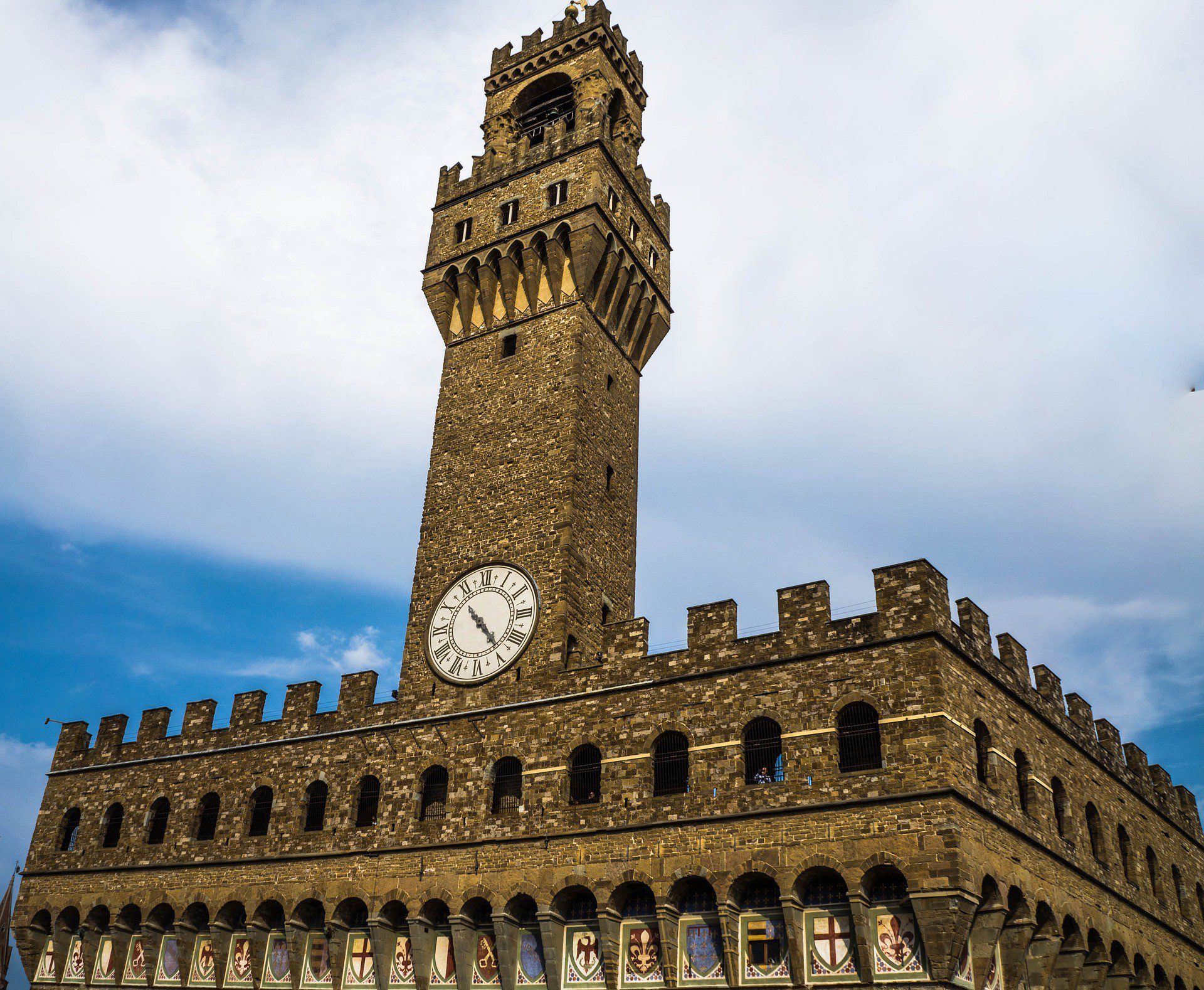
Handige informatie voor een bezoek aan de Galleria degli Uffizi
De openingstijden van de Galleria degli Uffizi zijn van 8:15 tot 18:50 en het museum is geopend van dinsdag tot en met zondag. Het museum is gesloten op maandag, 1 januari, 1 mei en 25 december. Reserveringen voor zaterdag en feestdagen moeten minstens één dag van tevoren worden gemaakt. De laatste toegang tot het museum is om 17:30 uur wanneer het ticketloket sluit.
Omdat de Galleria degli Uffizi zo’n populaire bezienswaardigheid is en erg druk kan zijn, zijn er bepaalde tijden beter dan andere om te bezoeken als je een rustiger en meer ontspannen ervaring wilt.
Het laagseizoen in Florence, dat loopt van november tot februari, is wanneer de galerie het rustigst is. Je brengt toch tijd binnen door, dus het maakt eigenlijk niet uit dat je dan in de winter op bezoek bent. Toch zijn april, mei en oktober doorgaans de beste maanden om Florence te bezoeken, wanneer het weer aangenamer is maar de stad niet te druk.
Als je het museum zo rustig mogelijk wilt bezoeken, is het ook verstandig goed na te denken op welke dag van de week en welk tijdstip je de galerie bezoekt. Het is drukker in het weekend en rustiger midden in de week. Wat het beste moment van de dag betreft: het is meestal het beste om ’s ochtends vroeg of aan het eind van de middag te gaan, al beperkt dat laatste de tijd die je binnen hebt.
Om de Galleria degli Uffizi te bezoeken, moet je er natuurlijk eerst zien te komen, maar gelukkig is dat eenvoudig als je in de stad bent. Het openbaar vervoer is niet heel handig in het historische centrum van Florence; het is het beste om te lopen als je al in het centrum of bij het hoofdstation bent. Wie een herkenningspunt nodig heeft blijft het beste aan de noordelijke oever van de Arno of zoekt naar het Piazza della Signoria vlakbij de Uffizi.
Een van de meest prangende vragen voor bezoekers van Florence is hoeveel de tickets voor de Galleria degli Uffizi kosten. Omdat er verschillende manieren zijn om tickets te verkrijgen, verschillen de prijzen, maar we behandelen hier de standaardprijzen voor tickets voor de Galleria degli Uffizi als je ze via de galerij koopt.
De normale ticketprijzen voor de Galleria degli Uffizi bedragen voor volwassenen € 12 van 1 november tot 28 februari en € 20 van 1 maart tot 31 oktober. Online reserveren brengt een toeslag van € 4 met zich mee om je tickets vooraf te garanderen. Wie tijdens het bezoek gebruik wil maken van een audiogids betaalt hiervoor een extra € 6.
EU-burgers van 18 tot en met 25 jaar kunnen op vertoon van een identiteitsbewijs gebruik maken van het gereduceerde tarief van € 2. Kinderen onder de 18 jaar en mensen met een beperking hebben gratis toegang tot de Uffizi.
De Uffizi zijn elke eerste zondag van de maand gratis toegankelijk voor het publiek.
In tegenstelling tot sommige andere grote toeristische attracties is het systeem voor tickets voor de Galleria degli Uffizi relatief eenvoudig. Wanneer je reserveertje tickets, moet je een dag en een tijdstip kiezen voor je bezoek.
Op de dag van je bezoek neem je de bevestigingsmail die je bij de reservering hebt gekregen, geprint of opgeslagen op je smartphone, mee en toon je die bij de reserveringsbalie om je toegangskaartjes op te halen. Vervolgens kun je gebruik maken van de fast lane om naar binnen te gaan. Als er tijdens je bezoek speciale tentoonstellingen in de Uffizi plaatsvinden, is de toegang tot deze tijdelijke tentoonstellingen bij je algemene entree inbegrepen.

Als dichtbij de Galleria degli Uffizi verblijven voor jou belangrijk is, wil je graag in het historische centrum van Florence zitten. Met veel andere fantastische bezienswaardigheden in de buurt is dit deel van de stad een ideale uitvalsbasis. Om je op weg te helpen, hebben we een paar aanbevelingen voor plekken om te verblijven verzameld.
Voor een bijzonder verblijf in Florence hoef je niet verder te zoeken dan het Hotel Bernini Palace. Dit grandioze vijfsterrenhotel, gevestigd in een omgebouwd paleis uit de 15e eeuw, ligt op slechts enkele minuten van de Uffizi en beschikt over kamers met weelderige renaissancistische inrichting en alle luxe die je je kunt wensen.
Voor wie op zoek is naar comfort en gemak is B&B San Remigio een aantrekkelijke en charmante middenklasse optie. Bij deze bed & breakfast krijg je lichte, ruime kamers, een uitstekend ontbijt en een geweldig gastheer – en dat op slechts een paar meter van de galerij.
Florence is niet de goedkoopste plek in Italië, wat het vinden van betaalbare opties vlak bij de Uffizi extra uitdagend maakt. Een van de weinige voordelige plekken om te verblijven op niet al te grote afstand is het pension Soggiorno Pitti in Oltrano aan de overkant van de rivier;hier kun je genieten van een betaalbare accommodatie met attente service.
Veiligheidscontroles bij de Galleria degli Uffizi
Omdat de Galleria degli Uffizi belangrijke onschatbare kunstcollecties herbergt, is het volkomen logisch dat bezoekers door een veiligheidscontrole moeten bij binnenkomst. Om een soepel bezoek te garanderen, is het handig om vooraf enkele regels van de Uffizi te kennen.
Bezoekers mogen geen rugzakken, grote tassen of paraplu’s meenemen in het museum. Deze items kunnen gratis worden afgegeven bij de garderobe bij de ingang. Professionele fotoapparatuur, zoals statieven en standaarden, mogen niet worden gebruikt zonder voorafgaande toestemming.
Bezoekers dienen respectvolle kleding te dragen. Dat betekent geen blote voeten, onthullende kleding of verkleedkleren. Eten en drinken, inclusief alcoholische dranken, zijn niet toegestaan binnen.
De Galleria degli Uffizi bezoeken met een beperking
Om bezoekers met een beperking te ondersteunen heeft de Galleria degli Uffizi verschillende maatregelen genomen om een toegankelijke en inclusieve plek te zijn. Voor bezoekers met mobiliteitsproblemen zijn er hellingbanen en liften beschikbaar om toegang te krijgen tot de galerij. Bij de receptie zijn ook gratis rolstoelen te verkrijgen.
Bezoekers met een visuele beperking kunnen interesse hebben in de tactiele rondleiding van het museum, die tien beelden omvat die je mag aanraken. Er wordt ook gewerkt aan nieuwe bewegwijzering met hoog-contrastletters en Braille-bijschriften.

Weetjes over de Galleria degli Uffizi
Wat is de Galleria degli Uffizi?
De Galleria degli Uffizi is een befaamd kunstmuseum waar een van de belangrijkste collecties Italiaanse renaissancekunst ter wereld te zien is.
Wanneer is de Galleria degli Uffizi gebouwd?
Het gebouw van de Galleria degli Uffizi werd gebouwd in 1581.
Hoe oud is de Galleria degli Uffizi?
Als plek waar bezoekers de collectie konden bewonderen, is de Galleria degli Uffizi sinds 1769 voor het publiek geopend.
Wie heeft de Galleria degli Uffizi gebouwd?
Cosimo I de’ Medici liet het gebouw voor de Galleria degli Uffizi bouwen en gaf Giorgio Vasari de opdracht om het te ontwerpen.
Waarom is de Galleria degli Uffizi gebouwd?
De gebouwen van de Uffizi werden oorspronkelijk niet gebouwd als museum, maar als administratieve en juridische kantoren van het Groothertogdom Toscane. Dit verklaart de oorsprong van de naam uffizi .
Waar bevindt zich de Galleria degli Uffizi?
De Galleria degli Uffizi ligt op het Piazzale degli Uffizi, net buiten het Piazza della Signoria, in het historische centrum van Florence, ten noorden van de rivier de Arno.
Dit zou eigenlijk alles moeten zijn wat je moet weten voor je bezoek aan de Uffizi, inclusief waarom skip-the-line tickets voor de Galleria degli Uffizi zo handig zijn. Zorg ervoor dat je onze tips volgt bij het plannen van je bezoek om ten volle te genieten van dit wereldberoemde kunstmuseum.
Tenzij je ervan houdt om je vakantie door te brengen in lange wachtrijen, raden we je sterk aan om je skip-the-line tickets voor de Galleria degli Uffizi van tevoren hier te reserveren of een rondleiding door de Galleria degli Uffizi te boeken Van deze twee is de rondleiding de beste optie, want zo kun je van een deskundige gids de verhalen achter enkele van ‘s werelds belangrijkste kunstmeesterwerken leren kennen.