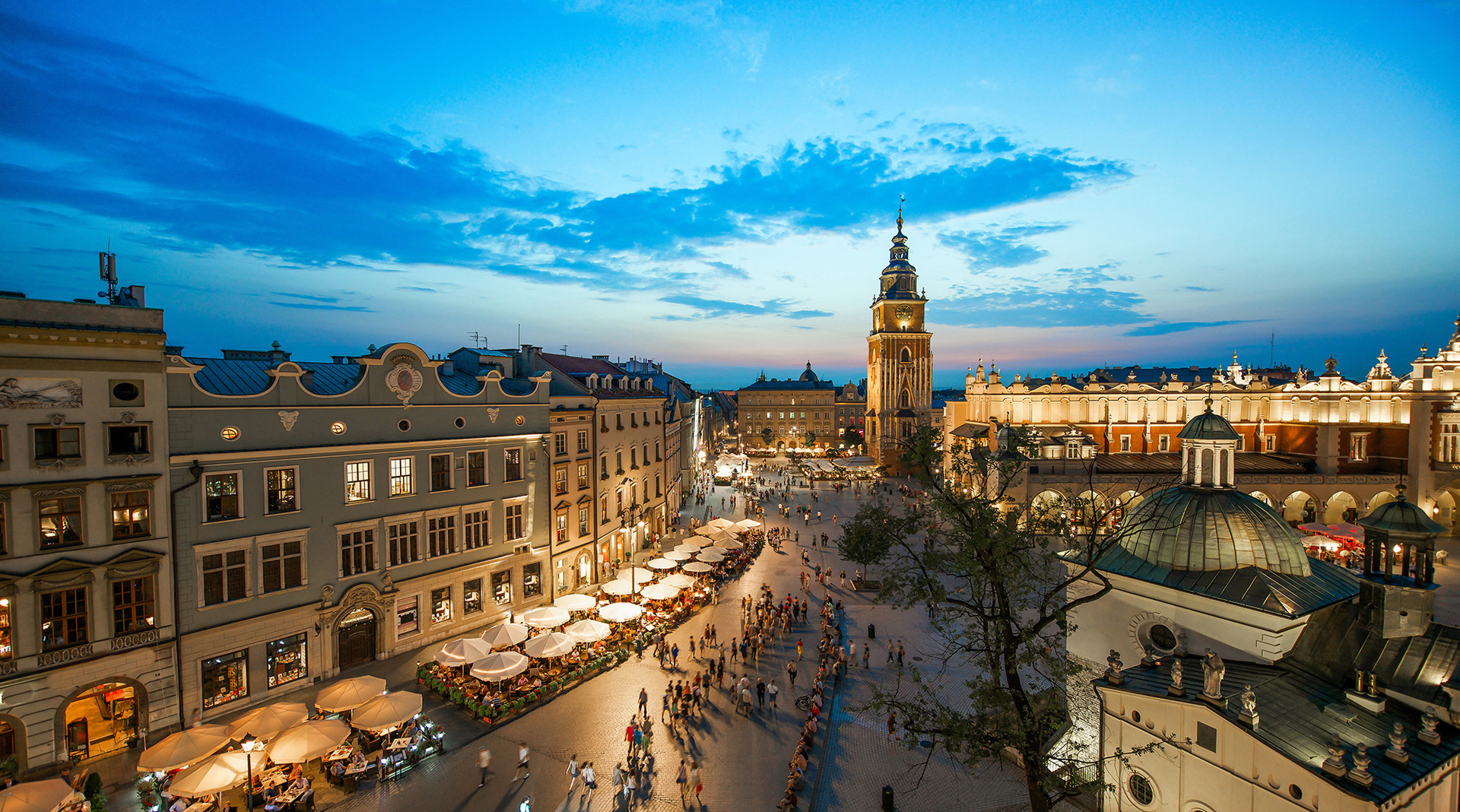
Gdańsk, with its almost unpronounceable Polish name Gdańsk, presents itself as a cosmopolitan city inhabited mostly by a young population. The Polish city offers tourists a variety of trendy meeting points as well as cultural insights and events.
The most distinctive area of Gdańsk is certainly Główne Miasto, one of the most important historic districts of the city, extending to the characteristic Motława canal and the Spichlerze island. Here are the main tourist attractions of Gdańsk, namely Ulica Długa (the Long Street) and Długi Targ (the long market).
Walking along ul. Długa you can appreciate the most interesting historic buildings of Gdańsk, built following faithful Gothic and Renaissance canons. If you continue towards Długi Targ you can visit the Artus Court (Dwór Artusa), now housing part of the Local History Museum. The National Museum of Ancient Art (Muzeum Narodowe), where the famous Gdańsk Triptych is kept, is located in the southern part of the city.
Rich in history is Royal Way (Trakt Królewski), which in the past was the site of the sumptuous ceremonial that Polish kings performed when re-entering the city. In this regard, not to be missed is the High Gate (Upper Gate), which serves as the entrance to Gdańsk and bears the inscription “Justice and mercy are the pillars of all kingdoms.”
Equally interesting are the Green Gate (Zielona Brama) and the Golden Gate (Złota Brama). The latter is a kind of triumphal arch accompanied by the wise phrase “Concord makes small states grow, discord makes great ones fall” and decorated with stone sculptures depicting peace, freedom, prosperity, and success. Gdańsk offers tourists many other attractions to discover.
In 2012 Gdańsk was the venue for some matches of the European Football Championship, including those of the Italian national team.