Signs of history, devotion, and sometimes superstition, are often painted with the colors of the spontaneity of the people as emphasized by the Lucanian writer Raffaele Riviello and are hosted in the diocesan museums of Basilicata. The diocesan museum of Acerenza constitutes an important chest of liturgical vestments, wooden and marble sculptures, paintings on canvas and panel, 18th-century Neapolitan silverware, manuscripts from churches of the diocese, sacred-themed wood carvings by local craftsmen. These are the preserved artifacts, dating back to different historical periods, that fascinate as expressions of experiences of life and spirituality of monks, Benedictines and Franciscans, priests and saintly bishops.
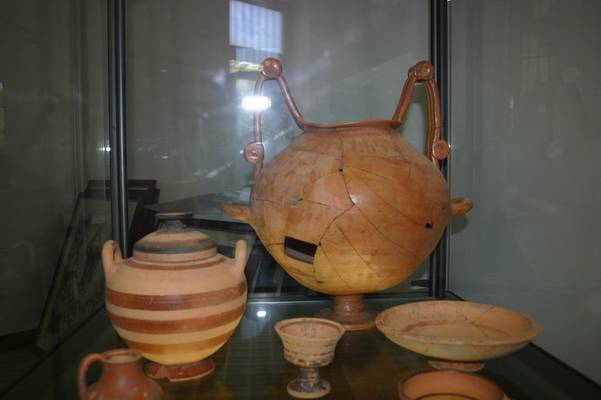
Among the materials found in the area and datable from the 9th century BC to the 4th century AD, exhibited in the archaeological and lapidary section, there is a marble bust of Emperor Julian the Apostate (331-363) originally placed on the facade of the cathedral because it was believed to be St. Canio, bishop of Iuliana in Africa, whose body was brought to Acerenza where he became the patron saint of the city.
Information about the Diocesan Museum of Sacred Art of Acerenza
Largo del Seminario, 2 85011 Acerenza (Potenza) 0971749221; 0971741299 [email protected] Source: MIBACT