

You can start, for example, from Piazza Tommaso Campanella, dominated by the 15th-century church of San Domenico, characterized by a splendid rose window and numerous late 18th-century works kept inside.
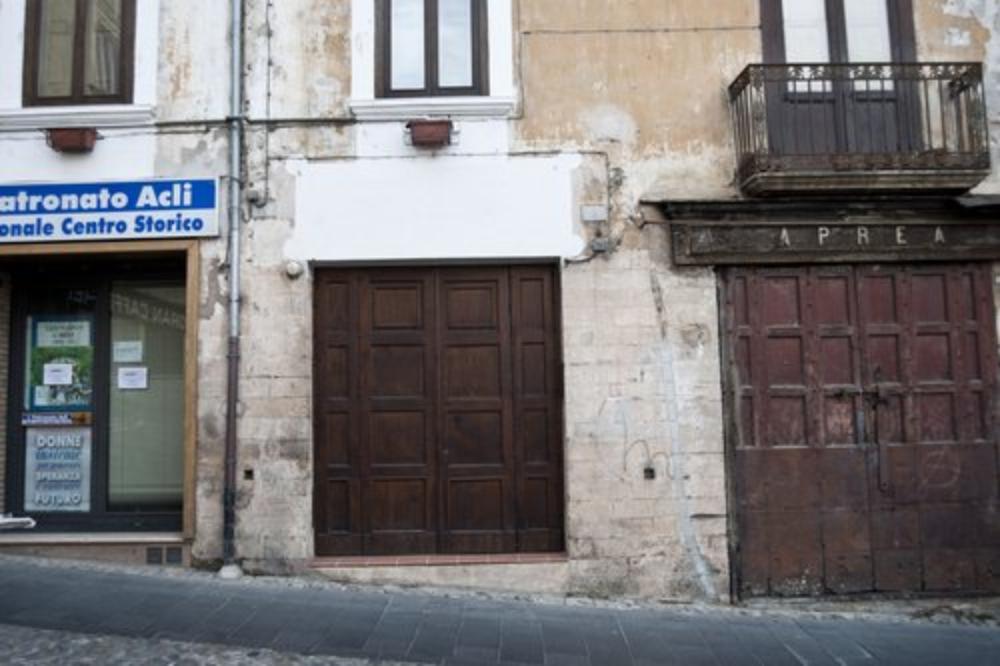
Entering Corso Telesio, the beating heart of the old city, once called “Via dei Mercanti,” you can admire the Church of the Knights of Malta, Palazzo Tarsia, and the Old Town Hall.
You then arrive at the Cathedral, originally from the 11th century, which, over the centuries, underwent reconstructions and renovations, also due to earthquakes.
At a short distance appears Piazza XV marzo, which recalls the insurrectional riots of March 15, 1844, around which many monuments revolve, from the central statue of Bernardino Telesio to the Rendano Theater, from the Government Palace to the Cosentina Academy with the Civic Library, one of the most important in southern Italy. On the nearby Via Gaetano Argento stands Palazzo Sersale where, in 1535, Emperor Charles V stayed during a visit to Cosenza.
Next to it stands the Monastery of the Virgins, where numerous 16th-century pictorial masterpieces are kept. The entire area between Corso Telesio and the so-called Giostra Vecchia, the soul of Renaissance Cosenza, represents an invaluable historical and cultural heritage for the city; it is home to architectural jewels such as Palazzo Caselli, Palazzo Orsomarsi, Palazzo Bombini, the Vaccaro and Sambiase Arches.