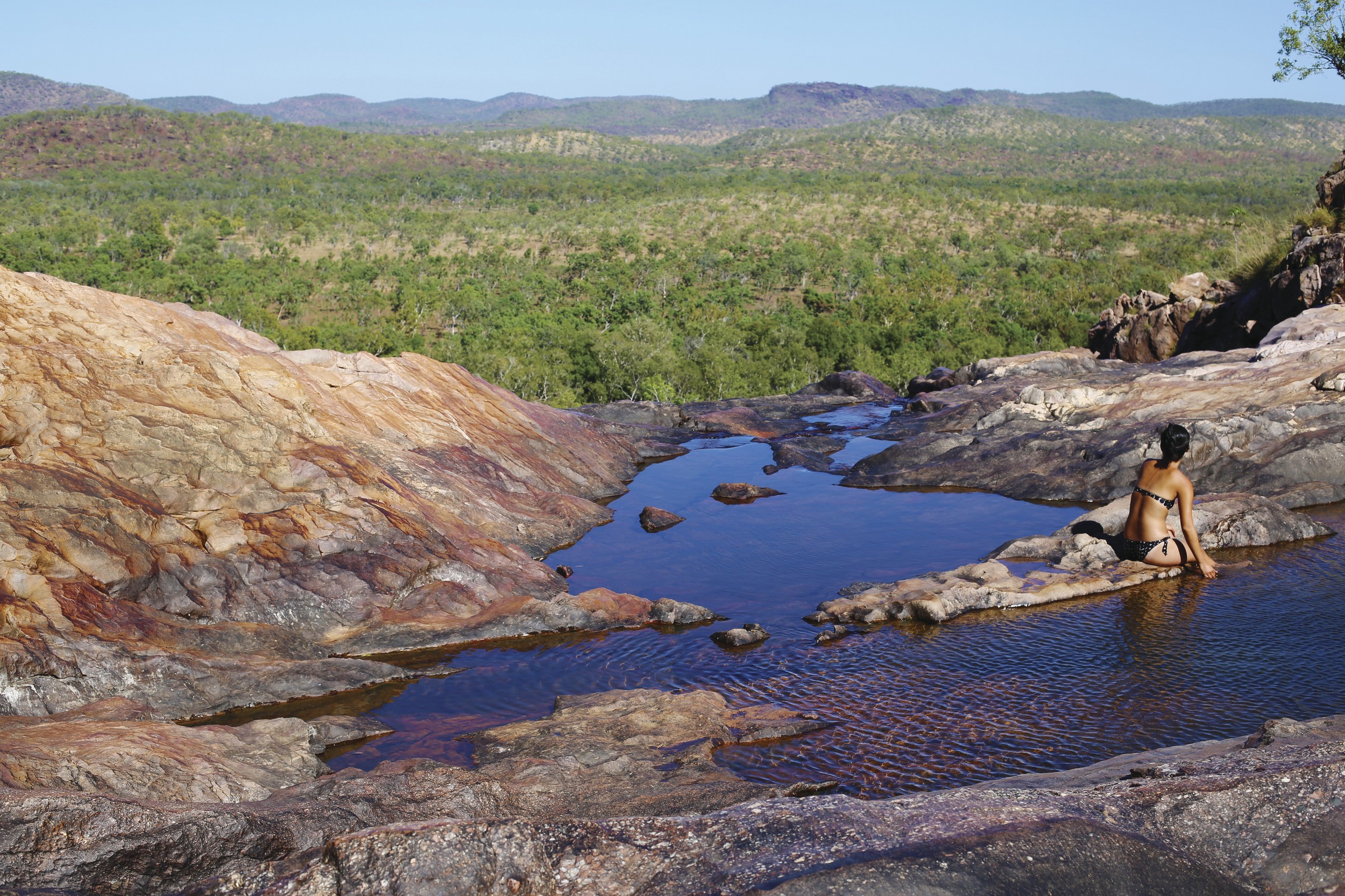


L’Australie-Occidentale (Western Australia), avec son immensité et sa beauté sauvage, est souvent négligée par les touristes internationaux. Cependant, cette région cache des trésors naturels et culturels qui méritent d’être découverts. Dans cet article, nous vous proposons un itinéraire d’une semaine qui vous emmènera à la découverte des merveilles de l’Australie sud-occidentale, en partant de la capitale Perth jusqu’à atteindre certains des lieux les plus fascinants de la région.
- Day 1: Perth and departure to Stirling Range National Park
- Day 2: hike to Bluff Knoll and transfer to Albany
- Day 3: from Albany to William Bay National Park
- Day 4: Valley of the Giants and Pemberton
- Day 5: from Pemberton to Margaret River
- Day 6: Exploring Margaret River
- Day 7: Return to Perth
- Practical tips for traveling
- When to go
- How to get around
- Where to stay
- What to bring
- Safety
- In brief
Ce voyage vous conduira à travers des paysages à couper le souffle, des plages intactes aux forêts millénaires, en passant par des vignobles réputés et de petites villes pleines de charme. Préparez-vous à une aventure inoubliable qui vous fera tomber amoureux de cette partie reculée mais extraordinaire du continent australien.
Your journey begins in Perth, the capital of Western Australia. Spend the morning briefly exploring this modern and vibrant city, perhaps with a walk in Kings Park, one of the largest urban parks in the world, where you can enjoy a panoramic view of the city skyline and the Swan River.
After lunch, it’s time to head south. Your destination is the Stirling Range National Park, about a 4-5 hour drive from Perth. The route will take you through the Australian countryside, with its vast open spaces and farms scattered along the way. During the trip, you might stop in Kojonup, a small town rich in Aboriginal and colonial history. Here you can visit Kodja Place, a cultural center that tells the story of the region through interactive exhibits and oral narratives.
Upon arriving at Stirling Range National Park, settle into one of the campsites or accommodations nearby. If the weather permits, enjoy a spectacular sunset over the park’s mountains, preparing for the hike the next day.

The day starts early with a hike to Bluff Knoll, the highest peak of the Stirling Range National Park. Wake up before dawn to begin the ascent and reach the summit in time to admire a spectacular sunrise. The trail, about 6 km long (round trip), is challenging but offers breathtaking views of the surrounding region. After the hike, treat yourself to a restorative break at one of the local cafes. Then, set off towards Albany, a picturesque coastal town about an hour away.
In the afternoon, explore the historic center of Albany, with its Georgian and Victorian style buildings. Don’t miss a visit to the National Anzac Centre, a modern and interactive museum dedicated to the history of the First World War and Australia’s role in the conflict. End the day with a walk along Albany’s waterfront, perhaps enjoying some fish and chips while watching the sunset over the sea.

Start the day with a morning hike at Torndirrup National Park, just a few kilometers from Albany. Here you can admire spectacular rock formations such as The Gap and Natural Bridge, created by the relentless action of the ocean on the coast. After lunch, set off westward towards William Bay National Park. Along the way, stop at Denmark, a charming town known for its vineyards and art galleries. You might stop at one of the local wineries for a wine tasting, perhaps accompanied by a platter of regional cheeses and cured meats.
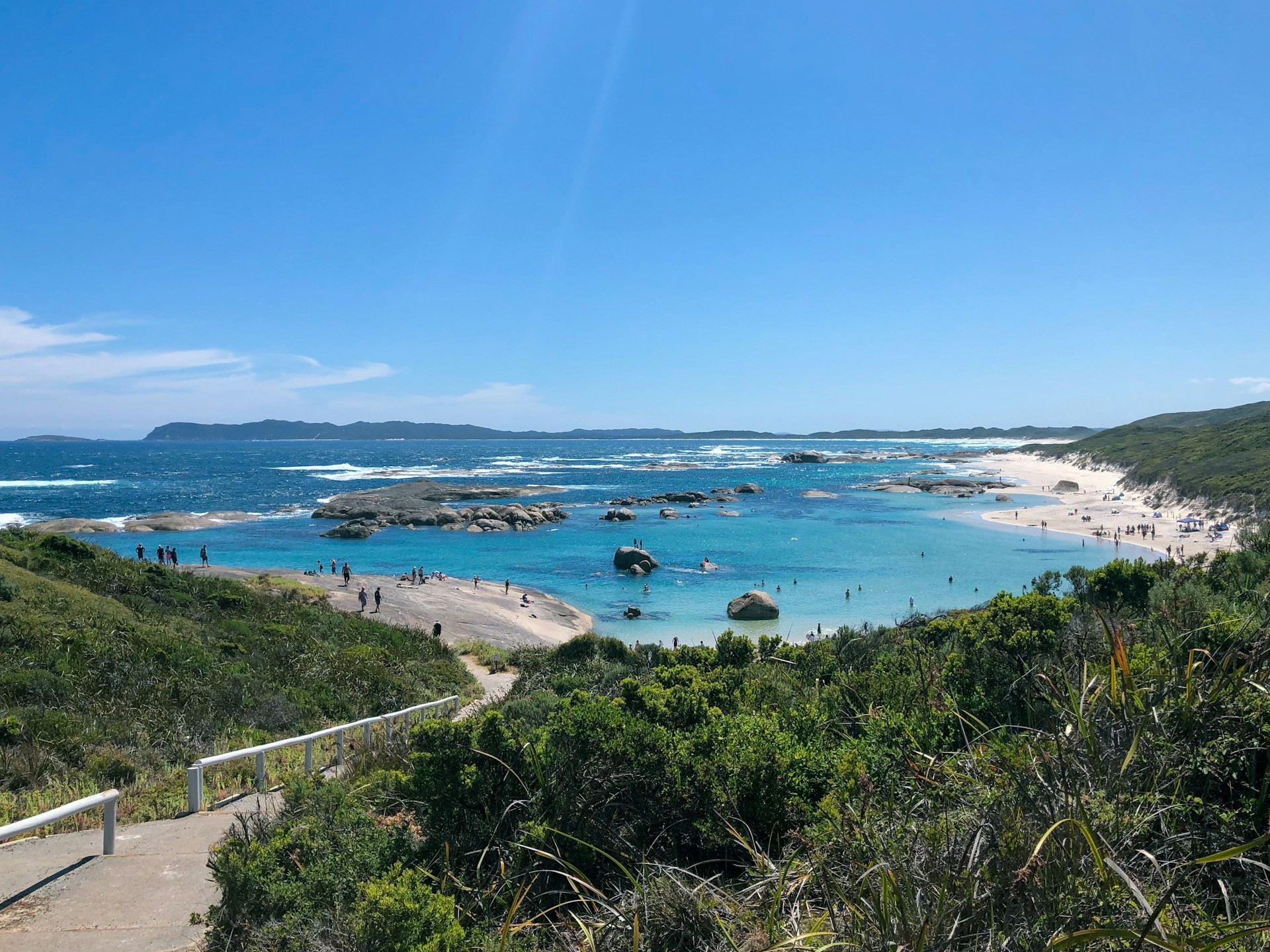
Arriving at William Bay National Park, head towards Greens Pool and Elephant Rocks, two of the most spectacular beaches in Western Australia. Greens Pool is a natural pool protected by large granite boulders, ideal for swimming and snorkeling. Elephant Rocks, nearby, gets its name from the huge rocks that look like elephants immersed in crystal-clear water. Spend the rest of the afternoon relaxing on these paradisiacal beaches, swimming in the turquoise waters or exploring the park’s coastal trails.
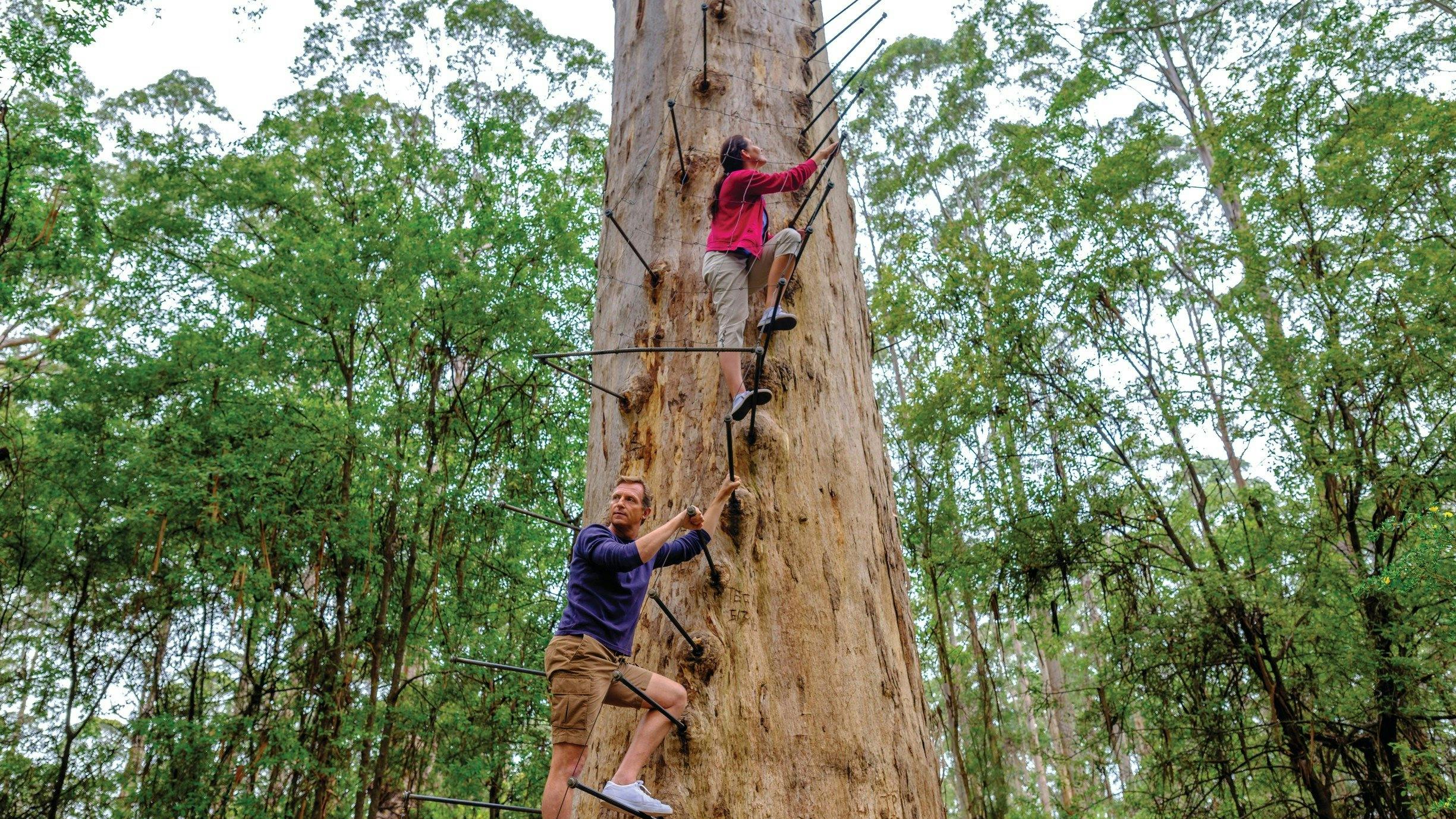
On the morning of the fourth day, leave early to reach the Valley of the Giants, one of the most famous attractions in the region. Here you can walk among the treetops on a suspended walkway 40 meters high, admiring up close the majestic red eucalyptus forests (karri and tingle). After this exciting experience, continue towards Pemberton, a small town nestled in karri forests. In the afternoon, if you feel adventurous, you might try climbing the Gloucester Tree, an ancient 58-meter karri tree that was formerly used as a fire lookout tower. The climb, via metal pegs embedded in the trunk, is not for the faint-hearted, but the view from the top is spectacular.
Alternatively, you could opt for a more relaxing hike in the Warren National Park, where you can admire some of the tallest trees in the world and walk along the Warren River. In the evening, enjoy a dinner based on local products in one of Pemberton‘s restaurants, perhaps accompanied by a glass of regional wine.
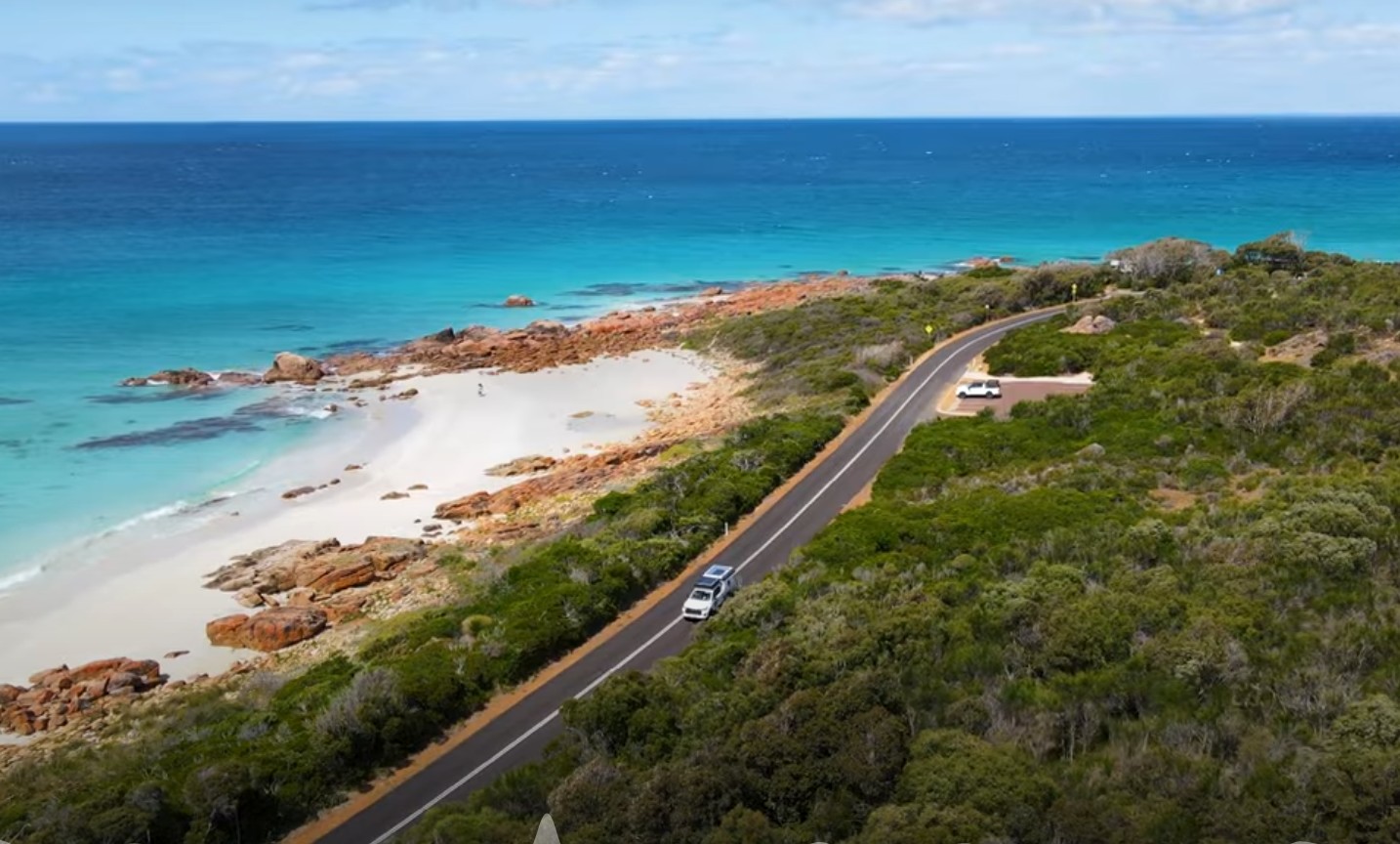
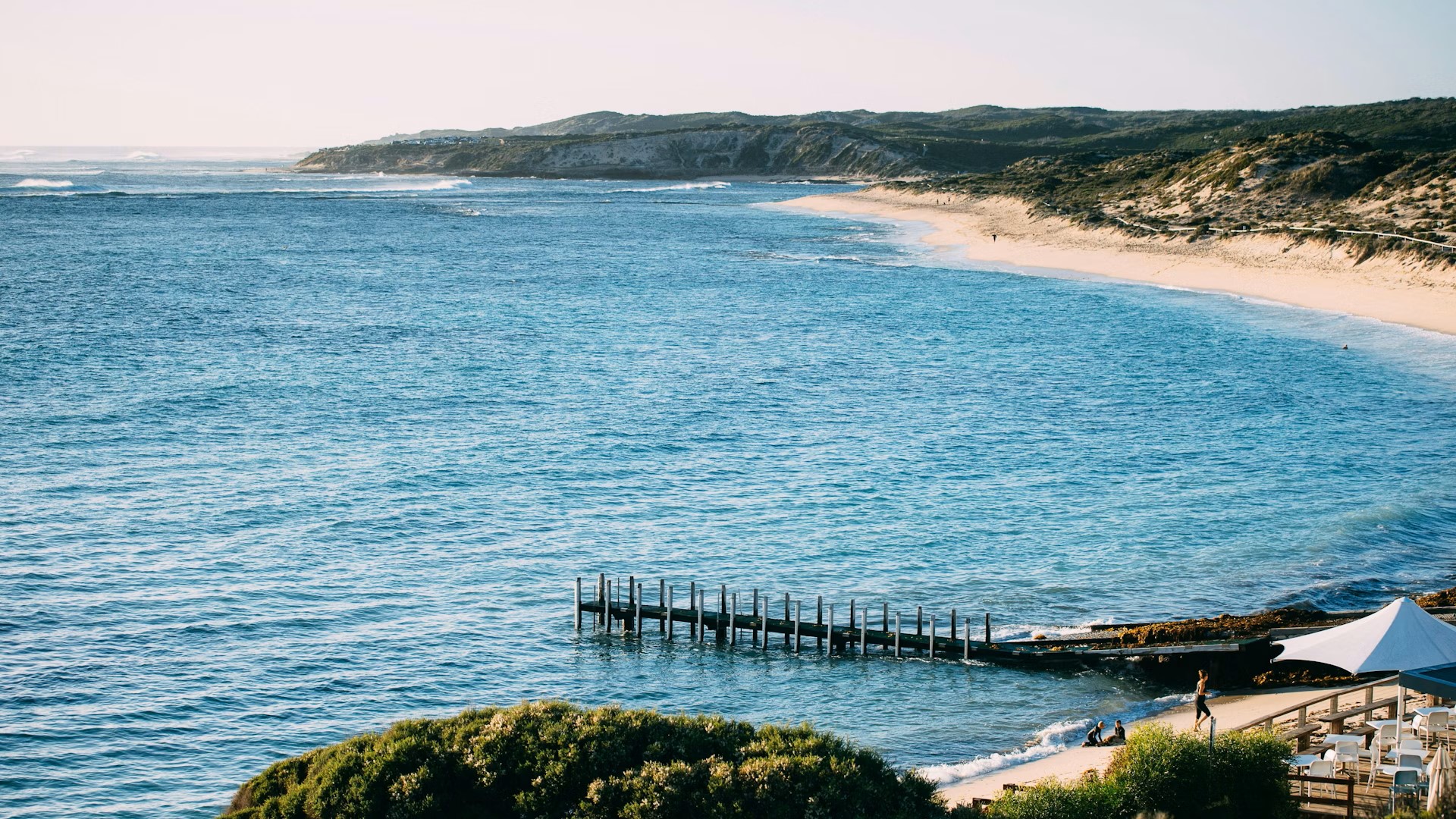
Leave Pemberton and head north towards Margaret River, one of Australia’s most renowned wine regions. Along the way, stop in Nannup, a picturesque village known for its gardens and colonial-style houses. Upon arriving in Margaret River, dedicate yourself to exploring this region famous not only for its wines but also for its surfing beaches and limestone caves. In the afternoon, you might visit one or two wineries to taste the renowned local wines, particularly Chardonnay and Cabernet Sauvignon.
If you prefer a more adventurous activity, you might opt for a kayak trip along the Margaret River or a surfing lesson at one of the area’s beaches. In the evening, dine at one of the region’s gourmet restaurants, where you can savor dishes prepared with high-quality local ingredients, naturally accompanied by the best local wines.
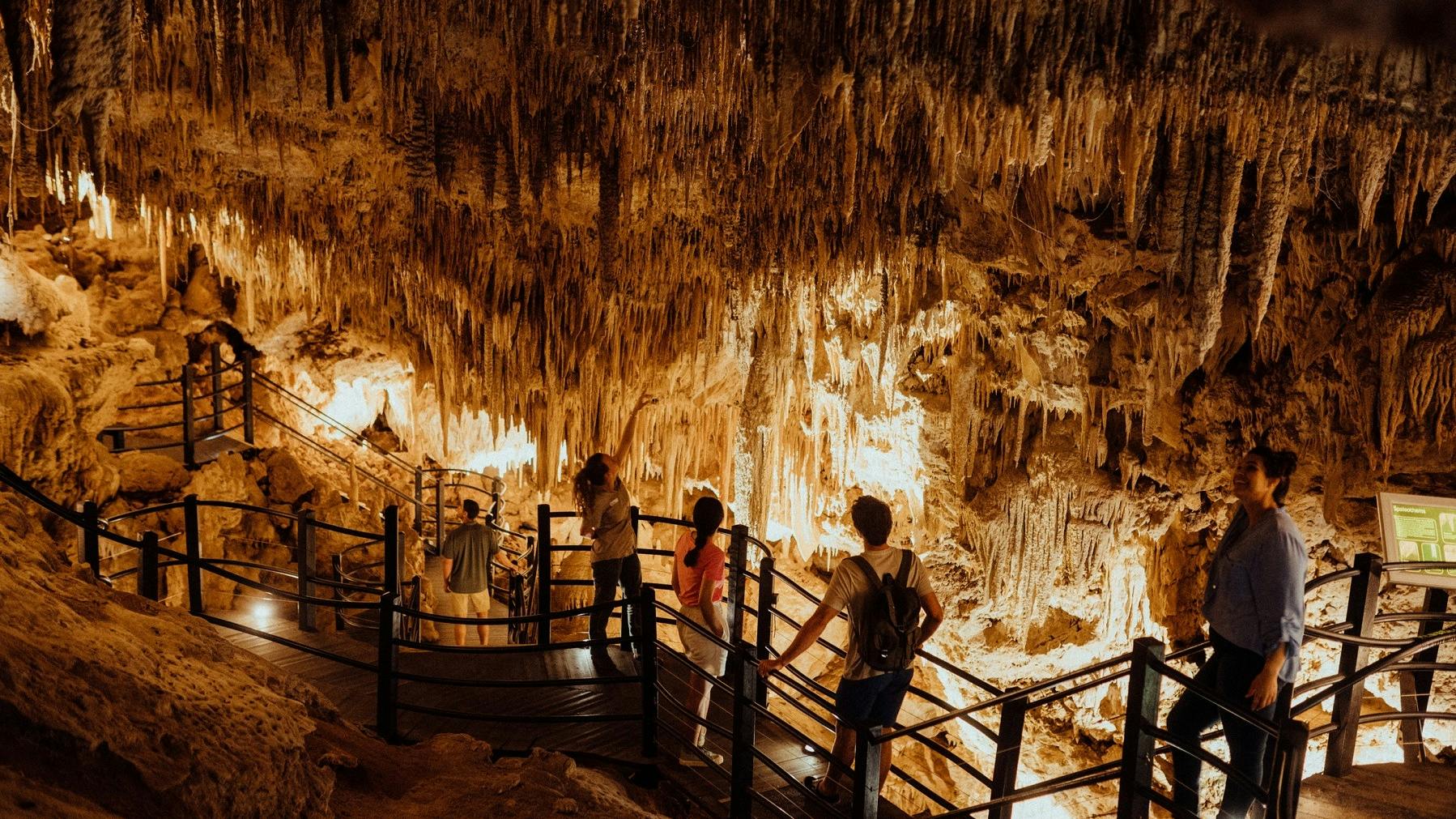
Dedicate the entire day to an in-depth exploration of the Margaret River region. Start the morning with a visit to one of the area’s many limestone caves, such as Lake Cave or Jewel Cave, where you can admire spectacular stalactite and stalagmite formations. After lunch, you might join a guided tour of the local wineries, which will allow you to taste a variety of wines and learn the secrets of winemaking. Many wineries also offer unique culinary experiences, such as wine-paired lunches or cooking classes.
For nature lovers, an interesting alternative could be a hike along the Cape to Cape Track, a coastal trail offering breathtaking views of the Indian Ocean. You might walk a section of it, perhaps up to the Cape Leeuwin lighthouse, the southwesternmost point of the Australian continent. In the evening, conclude the day with dinner at one of the beachfront restaurants, enjoying fresh seafood while watching the sunset over the ocean.
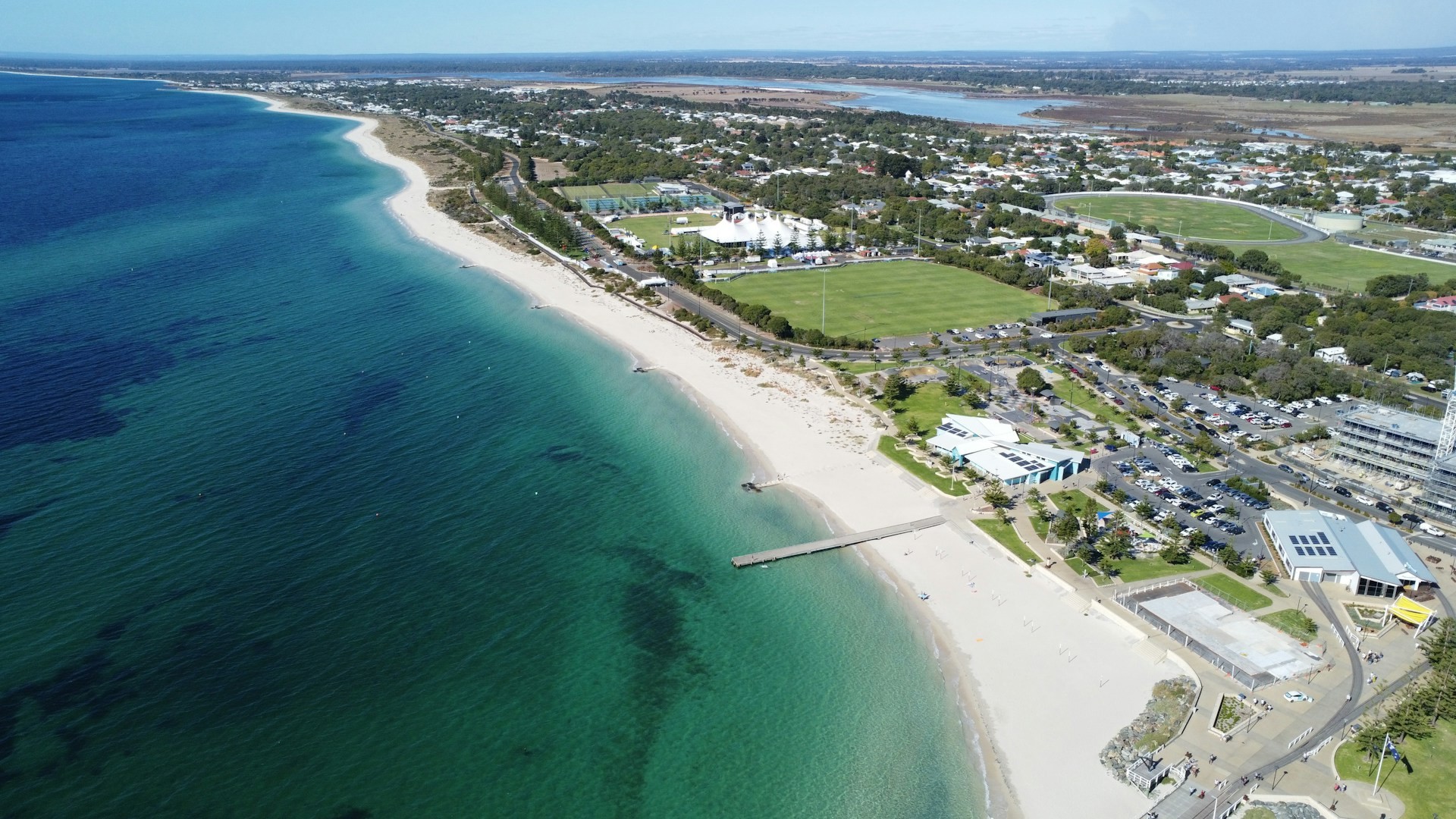
The last day of your trip will take you back to Perth. Along the way, stop at Busselton to admire the famous jetty, the longest in the southern hemisphere with its 1.8 km extending into the Indian Ocean. If you have time, you could take a ride on the train that runs along the jetty or visit the Underwater Observatory at the end of the jetty, where you can observe marine life without getting wet.
Then continue towards Bunbury, where you might make a final stop to try to spot dolphins in the bay. The Dolphin Discovery Centre offers guided tours for dolphin watching or, if you prefer, you can simply relax on the beach and hope for a chance encounter with these fascinating marine mammals. Arriving in Perth in the late afternoon, conclude your trip with dinner at one of the restaurants in the Fremantle district, known for its bohemian atmosphere and rich culinary scene.
Practical tips for traveling
When to go
The best time to visit southwestern Australia depends on your preferences. The southern summer (from December to February) offers warm temperatures ideal for the beach, but it is also the busiest season. Spring (from September to November) and autumn (from March to May) offer mild weather and are ideal for outdoor activities. Winter (from June to August) can be cool and rainy, but it is perfect for whale watching along the coast.
How to get around
The best way to explore southwestern Australia is to rent a car. Distances are considerable and public transport is limited outside the main cities. Make sure to book in advance, especially during the high season.
Where to stay
The region offers a wide range of accommodation options, from campsites to luxury resorts. In more remote areas, such as Stirling Range National Park, options may be limited, so it is advisable to book in advance.
What to bring
- Clothing suitable for outdoor activities
- Swimsuit and towel
- Sunscreen and hat (Australian sun is very strong)
- Comfortable hiking shoes
- Insect repellent
- Camera or smartphone to capture unforgettable moments
Safety
- Be careful of wildlife, especially if driving at dawn or dusk
- Always respect warning signs on beaches and in national parks
- Always carry enough water, especially during hikes
- In case of emergency, the number to call in Australia is 000
In brief
A one-week trip to southwestern Australia will allow you to discover one of the most beautiful and diverse regions of the continent. From pristine beaches to ancient forests, from world-famous vineyards to charming small towns, this part of Australia offers a unique and unforgettable travel experience. This itinerary will give you a taste of the region’s wonders, but remember there is much more to discover. If you have more time available, consider extending your stay to further explore this extraordinary land.
Whether you are a nature enthusiast, a wine lover, an avid surfer, or simply looking for an adventure, southwestern Australia has something to offer everyone. Prepare to be surprised, enchanted, and inspired by this unique region of the world. Have a great trip!