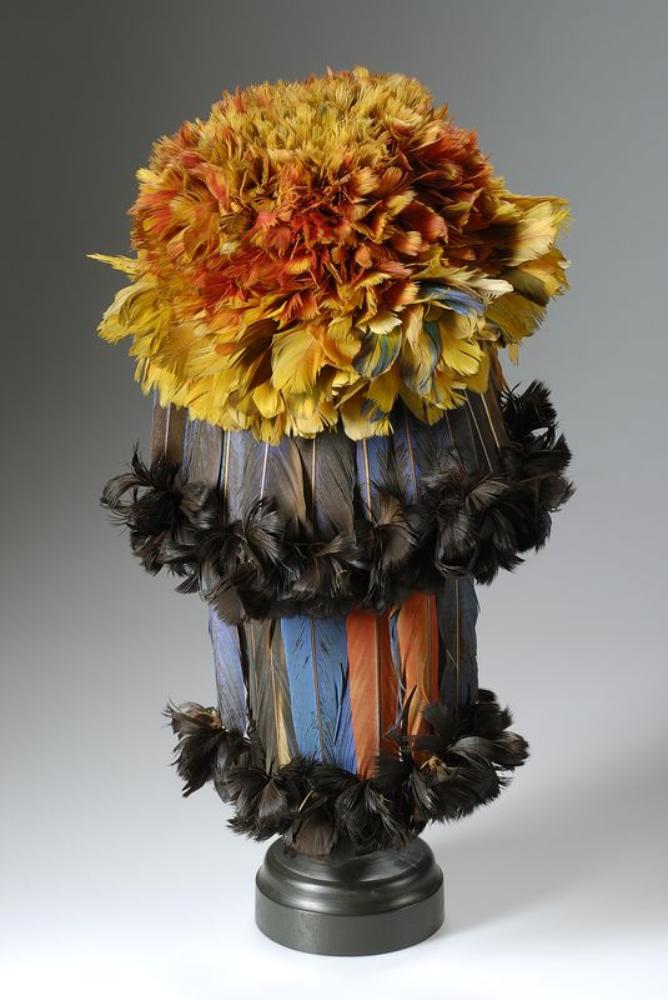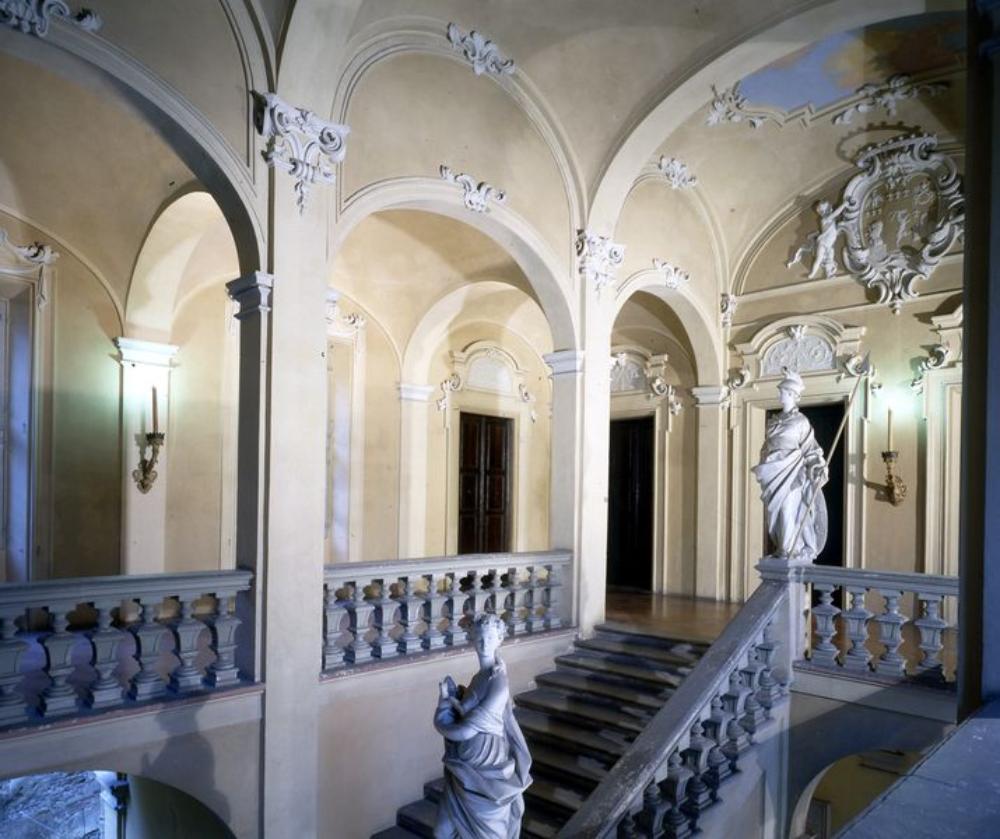


Palazzo Tozzoni is a rather rare case of a noble residence excellently preserved not only in its architectural consistency but also in its furnishings and utensils. The palace offers a rich exhibition path that includes an important picture gallery, applied art objects, furnishings, family memorabilia, and a collection of ethnographic materials, allowing one to appreciate, in a substantially intact context, the dialogue between the rooms and the furnishings, between the structures and the decorations. A relationship now of interpenetration, as in the alcove room or in the Empire wing, now of layering, as in the late nineteenth-century environments, through a proposal of the ways of living that have succeeded over time. The palace of the Tozzoni counts became a civic museum in 1981, at the behest of the last descendant, Sofia Serristori, who wanted in this way to donate to the city of Imola an intact and precious testimony of the life of a noble family in a provincial city. The ancient Tozzoni houses were transformed into a palace between 1726 and 1738 by the architect Domenico Trifogli, probably following drawings by Alfonso Torreggiani, following examples of Bolognese noble architecture of the eighteenth century. The Tozzoni counts equipped their residence with a representative hall and a noble staircase enriched by sculptures by the Flemish Janssen. The hall is enriched by paintings from the family’s rich collection, including the ovals by Donnini and works by Beccadelli. It separates the two apartments on the noble floor, both rare and well-preserved examples of the ways of living that have succeeded over time. The Empire apartment maintains the appearance that Giorgio Barbato Tozzoni wanted to give it between 1818 and 1819 on the occasion of his marriage to Orsola Bandini, when he commissioned the Faentine Pasquale Saviotti and Angelo Bassi respectively the decoration and cabinetry of the rooms. The Pope’s lounge and the Red lounge of the Barocchetto apartment have furnishings partly from the seventeenth century and stuccoes and carvings inspired by the taste of the early eighteenth century; in the alcove, instead set up in 1738 for the wedding between Giuseppe Tozzoni and Carlotta Beroaldi, environment and furnishings dialogue together according to the light taste of the Emiliano Barocchetto. In the eighteenth century, presumably around 1780, the acquisition of a private picture gallery, the Pighini, increased the palace’s collections which partly dispersed, currently amounting to about two hundred paintings dating from the late sixteenth to the early twentieth century. The collection is mostly Bolognese, Cesi, Passerotti, Lavinia Fontana, and Romagnola, Fenzoni, Giani. However, there are also Venetian presences of Giovan Battista Langetti, Pietro Liberi, and Antonio Zanchi. The display cases of the collection rooms gather prints, medals, ceramics, terracottas, family memorabilia, and liturgical furnishings from the various family altars. Also notable are the kitchen and cellars where farming tools linked to the wheat, hemp, and grape cycle have been collected, some of which came from the Tozzoni estates, the source of their wealth.
Information about Palazzo Tozzoni
Via Garibaldi, 18,
40026 Imola (Bologna)
0542602609
[email protected]
Source: MIBACT