


Dal 1834, at the time of the donation, the two nuclei were merged into the current location. Increased by progressive acquisitions and donations, the museum path develops through twenty-two rooms where artistic and pictorial works belonging to a historical period between the 15th and the 20th century are preserved. There are paintings, relics, tapestries, and testimonies documenting the history of the city of Parma and the Stuard family, along with medieval archaeological finds discovered during the restoration works of the building.
The collection includes over three hundred pictorial and graphic works, a considerable number of furnishings from the 17th to the 19th century, and some art and craft objects. The Tuscan school from the 14th to the 15th century is represented by works of Paolo di Giovanni Fei and Giovanni d’Ambrogio; interesting are the panels by Nicolò di Tommaso, the Master of Mercy, and Bicci di Lorenzo. A panel depicting Christ carrying the cross is attributed to the circle of Paolo Uccello. Among the most interesting works is a pen drawing depicting a greyhound, perhaps executed by Parmigianino for Fontanellato.
Other paintings, by Lavinia Fontana, Orazio Samacchini, Sisto Badalocchio, Giovanni Lanfranco, Guido Reni, Guercino, Giuseppe Baldrighi, and Pietro Melchiorre Ferrari illustrate the Emilian pictorial tradition, while a series of canvases by Jacopo Palma the Younger, Sebastiano Ricci, and Francesco Fontebasso represent the Venetian sphere. Among the foreigners are Brueghel, Zurbaran, Zoffany.
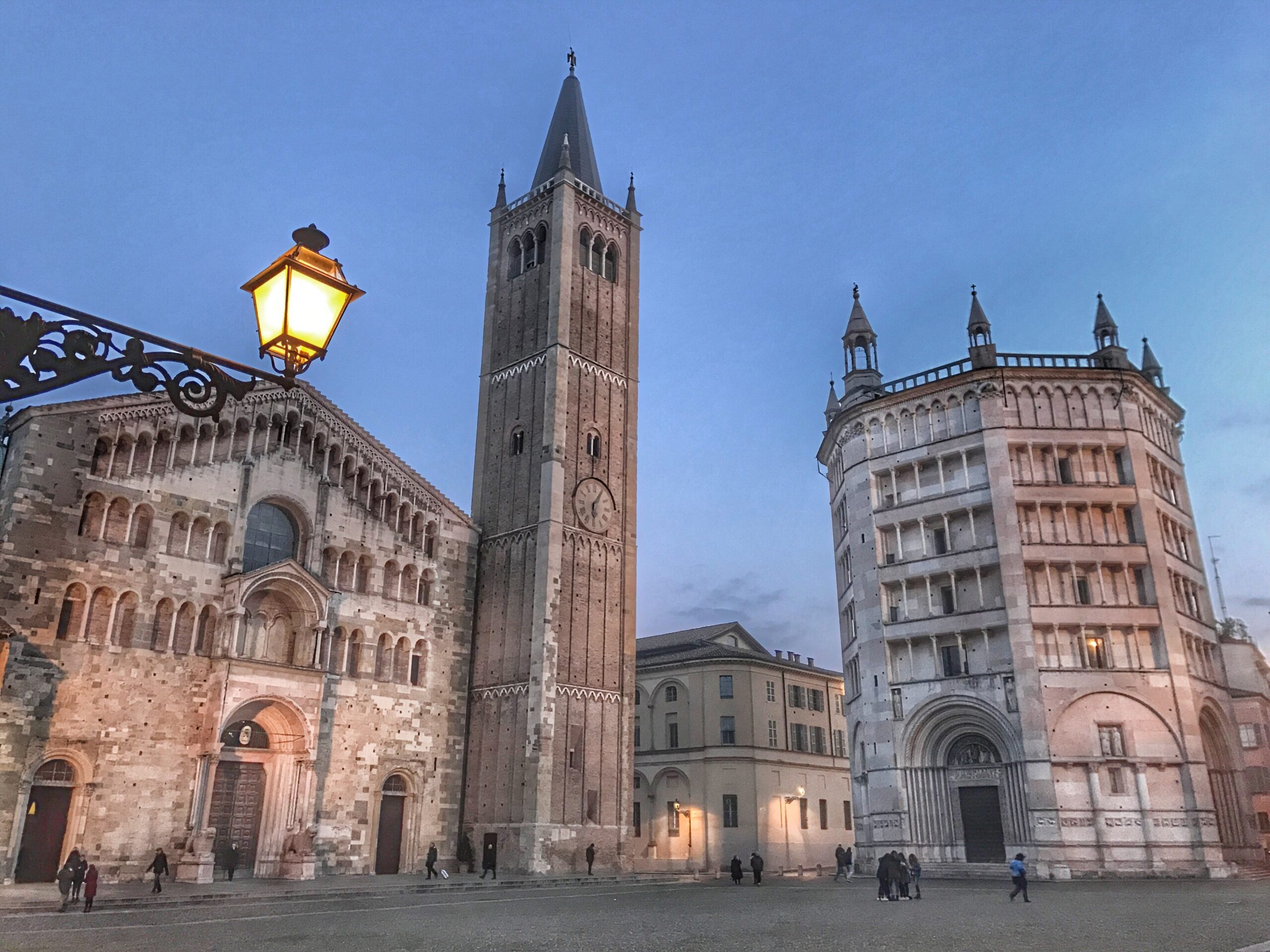
Following the establishment of the museum, acquisitions included two still lifes by Grechetto, a landscape by Bellotto, Ecce Homo by Guercino, the Virgin of Schedoni as well as the nineteenth-century section with paintings by Carmignani, Pasini, Affanni, Baratta, Ximenes, and De Stroebel.
Information about the “G. Stuard” Art Gallery
Via Borgo Parmigianino, 2
43121 Parma (Parma)
0521508184
pinacoteca.stuard@comune.parma.it
https://www.comune.parma.it/stuard
Source: MIBACT


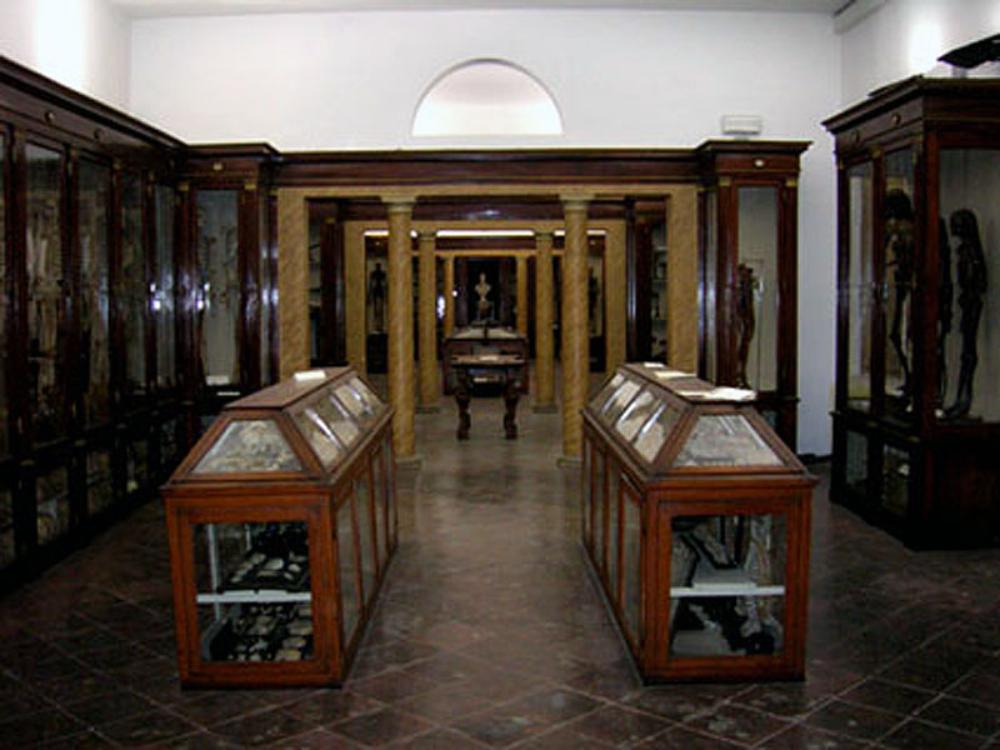
 ha donato per lascito testamentario alla Congregazione di Carità di San Filippo Neri, proprietaria di una raccolta di dipinti e arredi connessi all'iconografia del Santo.)