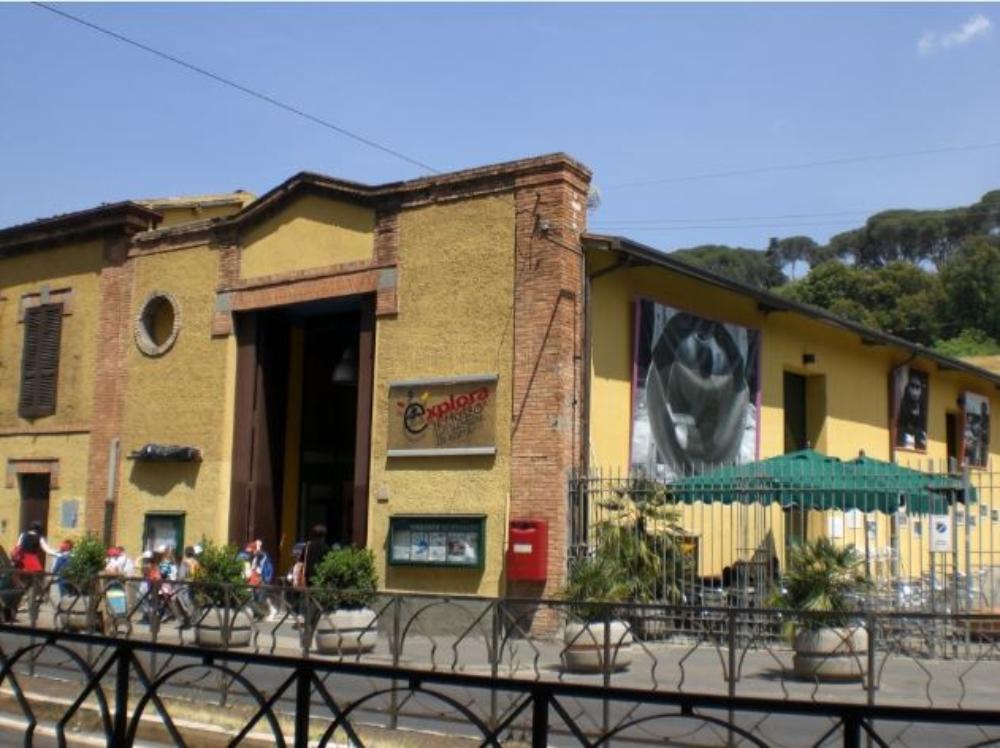
Il Museo di Roma in Trastevere is housed in the former monastery of Sant’Egidio, where until the capture of Rome the Discalced Carmelites lived. Once restored, in 1976 the building became home to the Museum of Folklore and Roman Poets, where materials related to Roman popular traditions from the Museum of Rome and the Municipal Print Cabinet were preserved.
In 2000 it was reopened to the public under the name Museo di Roma in Trastevere. The new renovation allows for a use more in line with current museographic needs, especially suitable for organizing temporary exhibitions mainly of photography, shows, conferences, and concerts.
The museum’s permanent collection shows the main aspects of Roman popular life from the late eighteenth and nineteenth centuries, filtered through the tastes and beliefs of the artists and folklorists who represented it. The themes most present in the collection are costumes, popular dances, secular and religious festivals, and trades.
In particular, the collection includes a compilation of paintings, prints, drawings, and watercolors, including a selection from the famous series “Roma sparita” by Ettore Roesler Franz (Rome 1845 – 1907): a nativity scene set in nineteenth-century Rome; six realistic depictions of environments, better known as Le Scene Romane, which reproduce life-sized aspects of Roman popular life of the 1800s.
Materials belonging to the great poet Trilussa (Rome 1871 – 1950), donated after his death to the municipality of Rome and partly exhibited in the video installation called the “Stanza di Trilussa,” are part of the museum’s collection.